
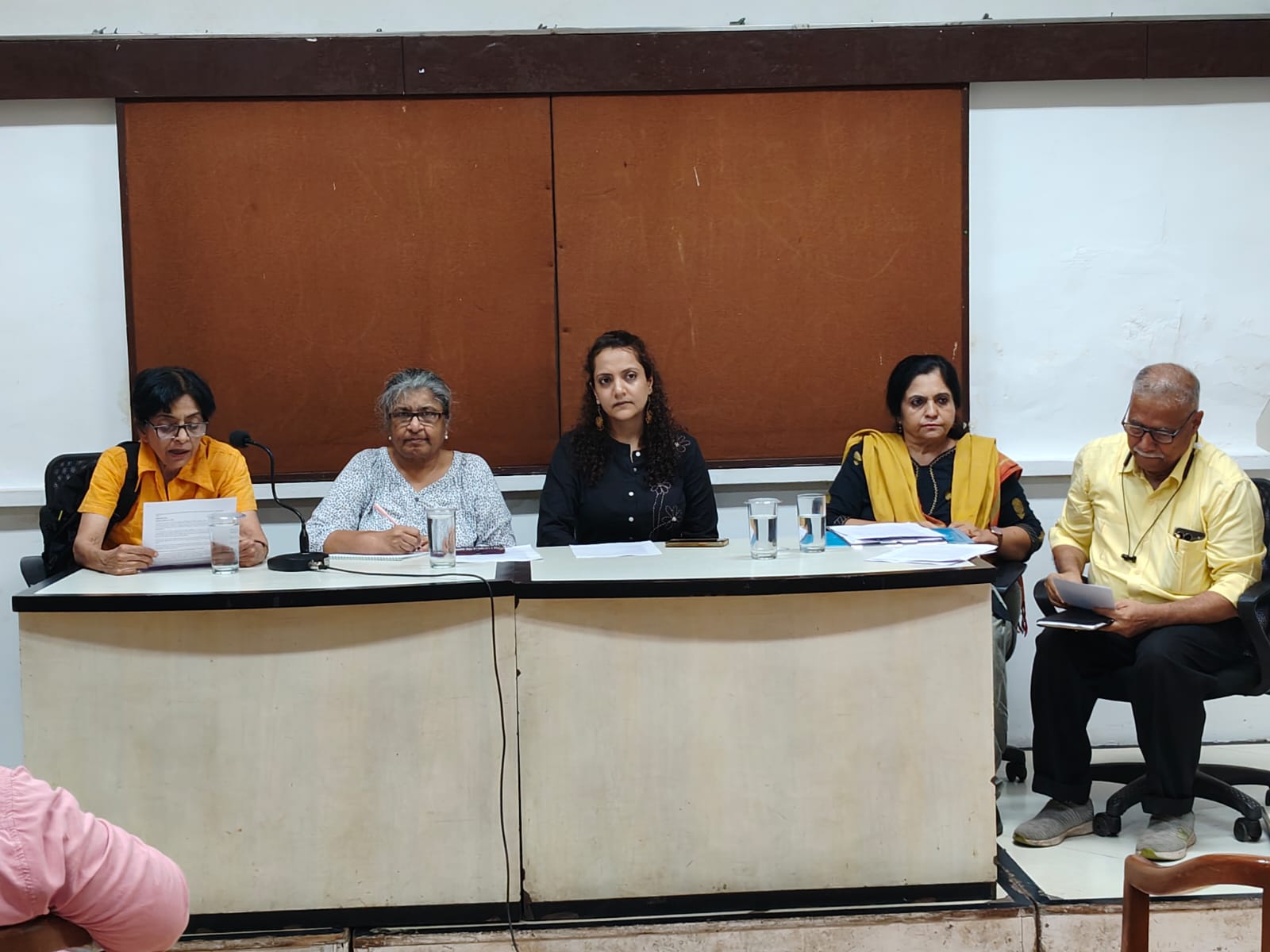
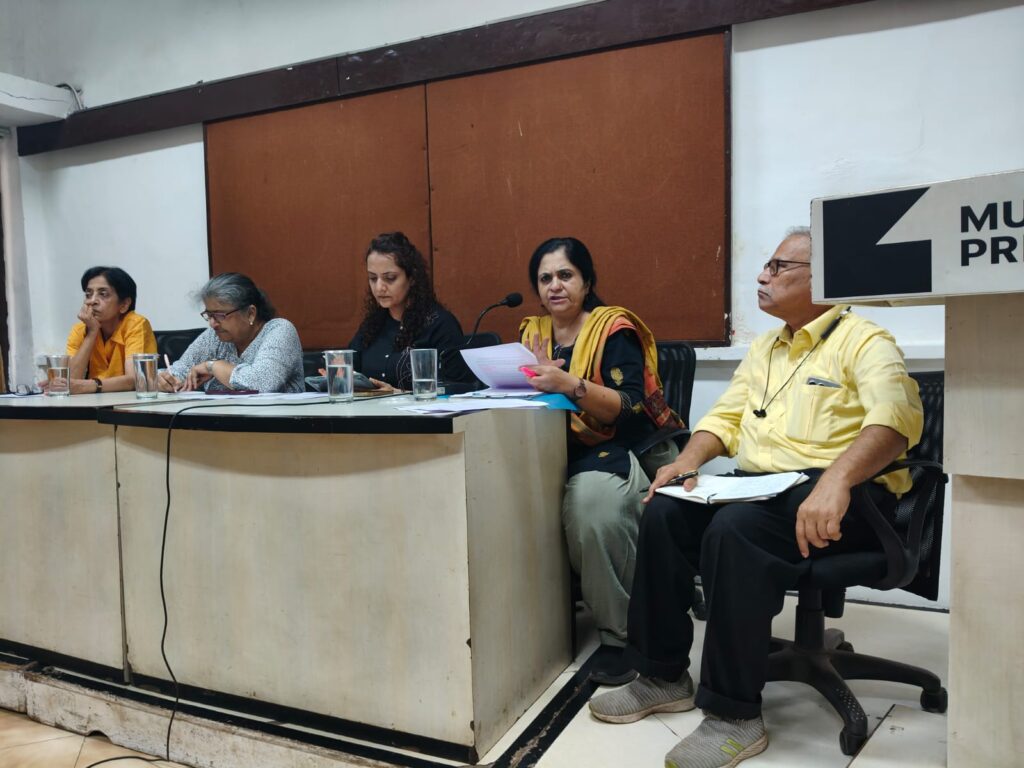
A coalition of more than 35 civil society organisations, including women’s rights groups, civil liberties organisations, student collectives and minority community bodies, on Wednesday (March 11) publicly opposed the Maharashtra government’s proposed anti-conversion legislation, warning that the move threatens women’s autonomy, privacy and constitutionally protected freedoms, as reported by Hindustan Times.
The groups addressed a press conference in Mumbai after the Maharashtra Cabinet recently cleared the proposed Maharashtra Dharma Swatantrya Adhiniyam, 2026, which is intended to regulate religious conversions and impose penalties for conversions deemed “unlawful” or “forced.” According to media reports, the proposed law could provide for imprisonment of up to seven years and fines that may extend to ₹5 lakhs.
Detailed report may be read here.
Civil society representatives argued that while the legislation is framed as a measure to curb coercive conversions, it is rooted in the politically charged narrative of “love jihad” and risks enabling intrusive state oversight over personal choices relating to marriage and faith, as per Free Press Journal.
Concerns over surveillance of personal choice
Activists expressed particular concern over provisions expected to be included in the bill, based on similar laws enacted in other states and media reports about the Maharashtra proposal. These include requirements for individuals intending to convert to seek prior permission from a designated authority, provide advance notice of conversion — reportedly up to 60 days — and register the conversion after it takes place. Failure to comply with these procedures could potentially render the conversion invalid.
Civil society groups warned that such requirements effectively place personal belief and religious choice under administrative surveillance.
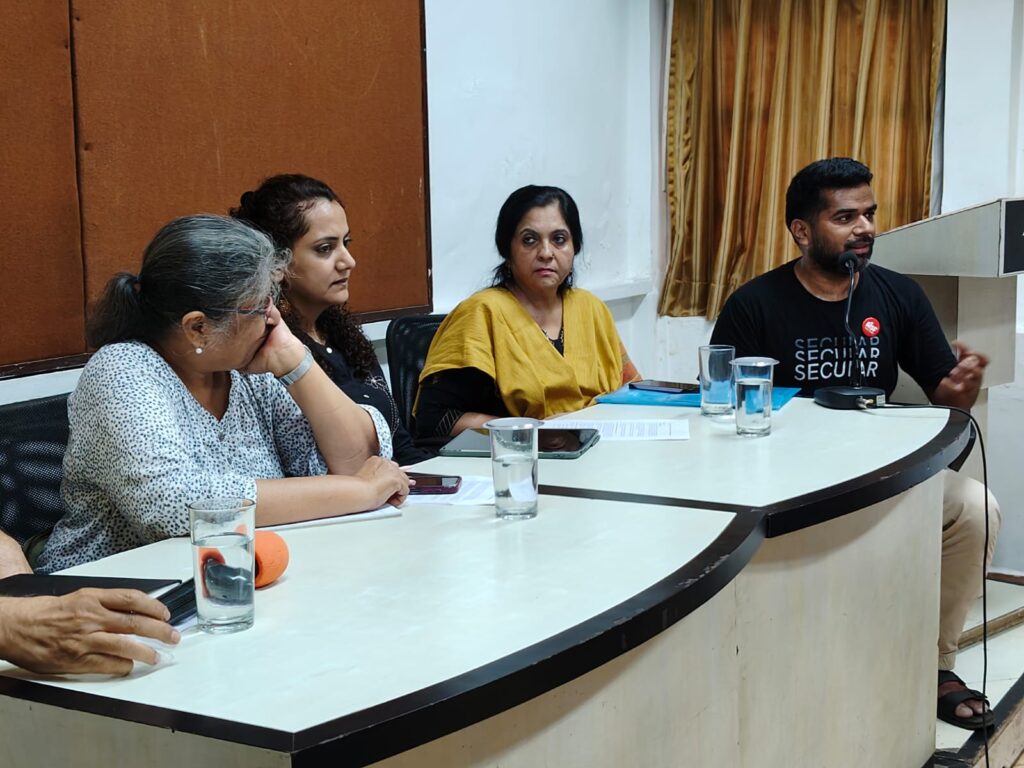
Human rights lawyer Lara Jesani of People’s Union for Civil Liberties emphasised that the freedom of religion under the Constitution necessarily includes the right to adopt or change one’s faith.
In a patriarchal social context, she cautioned, such laws risk becoming tools in the hands of families, vigilante groups and state authorities to control women’s decisions regarding marriage and religion, as per Hindustan Times.
Questions over necessity of the law
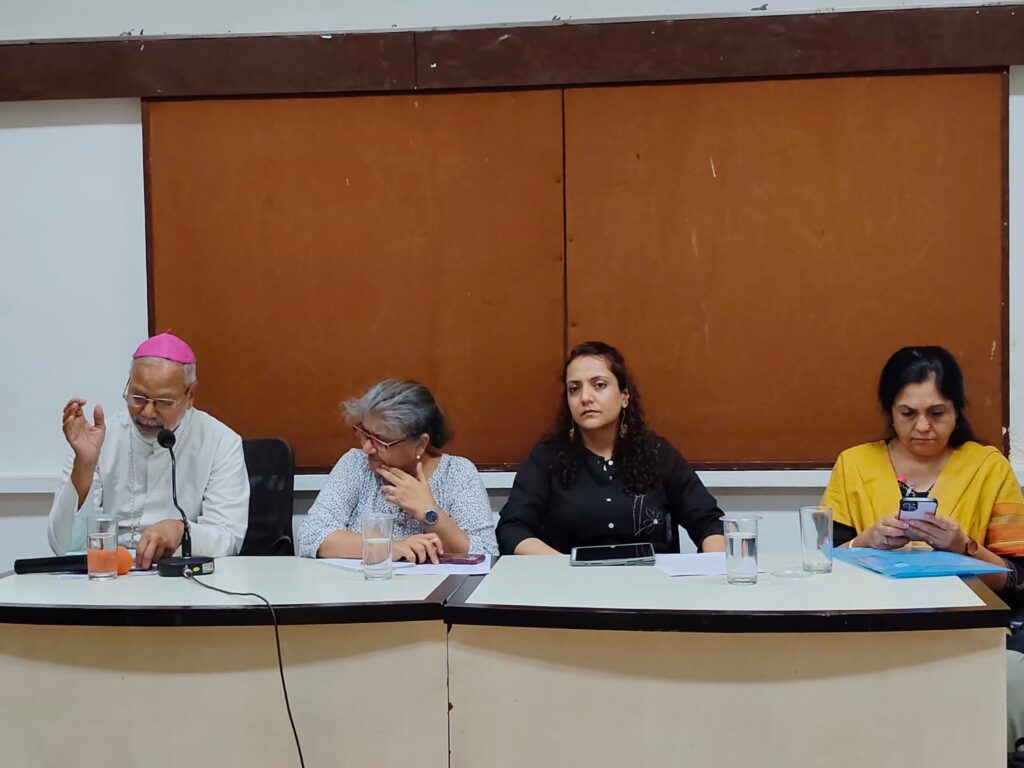
Speakers at the press conference also questioned the justification for introducing such legislation in the absence of credible data demonstrating widespread cases of forced religious conversion.
According to The Hindu, Jesani noted that there is little publicly available evidence or official studies indicating that coercive conversions constitute a systemic problem requiring new legislation. Without such data, activists argued, the necessity of the law remains unclear.
Civil society organisations further pointed out that existing provisions in the Bharatiya Nyaya Sanhita already criminalise acts such as fraud, coercion, intimidation and forced marriage, which can address any genuine instances of forced conversion.
Demand for transparency and consultation
Another major concern raised by the coalition was the lack of transparency surrounding the proposed legislation. Although the Cabinet has approved the draft bill, the text of the law has not yet been made public.
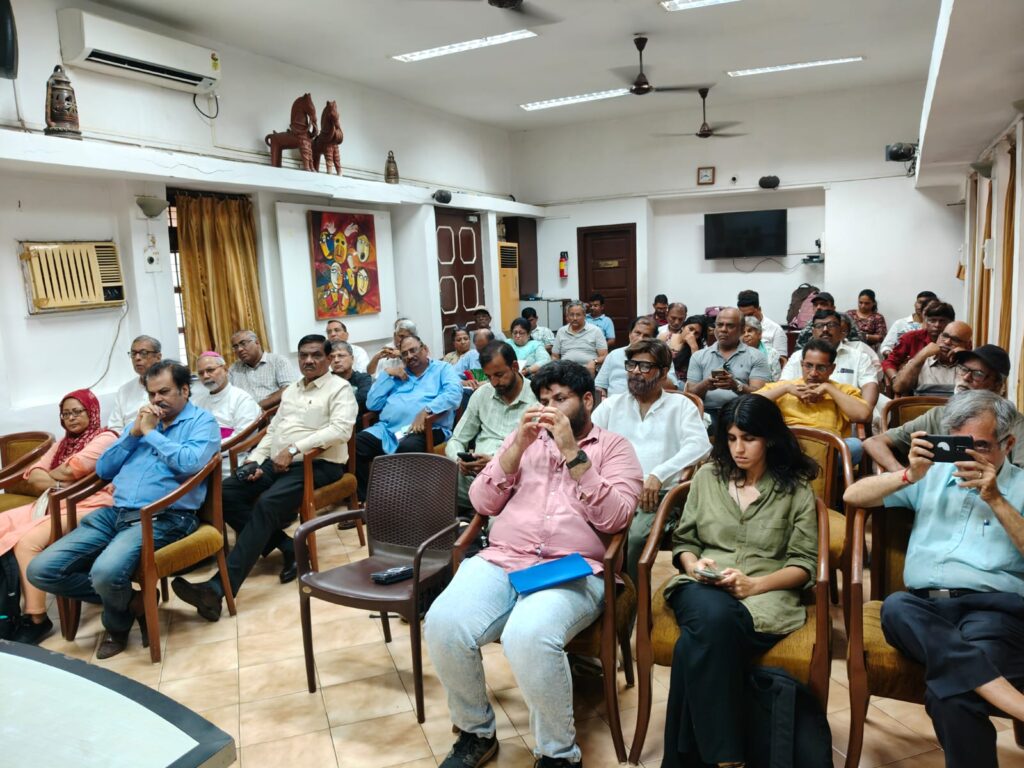
Civil rights activist Teesta Setalvad, secretary of Citizens for Justice and Peace, criticised the absence of public consultation and urged the Maharashtra government to release the draft for wider scrutiny, reported The Hindu.
Setalvad argued that legislation affecting fundamental rights — particularly those concerning religious freedom and personal autonomy — must be developed through an open and participatory process involving stakeholders such as women’s groups, minority communities and legal experts.
Civil society groups also called for the proposed bill to be referred to a legislative standing committee to allow for detailed examination and debate before any attempt is made to enact it.
Constitutional challenge already pending
Activists further pointed out that the constitutional validity of similar anti-conversion laws enacted in several states is already under challenge before the Supreme Court of India.
A batch of petitions filed in 2020 — including the lead petition by Citizens for Justice and Peace — challenges the anti-conversion laws enacted in states such as Uttar Pradesh, Uttarakhand, and Madhya Pradesh, on grounds that they violate fundamental rights relating to privacy, personal liberty and freedom of religion (Free Press Journal, March 12, 2026).
Given that these challenges remain pending before the apex court, civil society groups questioned the prudence of introducing another similar law without first awaiting judicial clarity on the constitutionality of such provisions.
Broad coalition of organisations
Among the organisations participating in the press conference were Mumbai for Peace, Association for Protection of Civil Rights, Forum Against Oppression of Women, Bombay Catholic Sabha, Indian Muslims for Secular Democracy, Muslim Satyashodhak Mandal, and the Dalit Human Rights Defenders Network, among others.
Collectively, the organisations demanded that the Maharashtra government make the draft bill public, initiate consultations with civil society and affected communities, and refrain from advancing the legislation without meaningful democratic debate and scrutiny.
They also reiterated that if the state proceeds with the law in its present form, it is likely to face constitutional challenges in court.
The complete press note may be accessed below.
Related:
Survey of Churches, anti conversion laws only empower radical mobs: Archbishop Peter Machado