Vijay Goel, of BJP, on December 4 asked the MHA about number of women personnel in Delhi police and measures taken by the government to augment this number. The government responded by saying that out of the 80,709 police force in Delhi, 9,938 were women. This number comprised of 12.31% of the total strength of the Delhi police. Delhi Police comes under direct control of the Central government.
The Ministry further said that to augment representation of women in the Police Forces of all the Union Territories (UTs), Government of India approved in March 2015, 33% reservation for women in direct recruitment in Non-Gazetted posts from Constable to Sub-Inspector in Police Forces of all UTs including Delhi Police. Clearly, 4 years have passed since this reservation policy has come into force but the composition of women in Delhi Police force remains an abysmal 12.31%, which is not even half of the reserved positions for women.
The Delhi High Court, which has been monitoring policing in the State since after the Nirbhaya case of 2012 has ordered Delhi Police to deploy cops, preferably women cops in plain clothes at vulnerable spots in the city. In order to fulfil such a direction of the High Court, there needs to be a higher concentration of women in Delhi Police, which it is severely lacking at present, and filling up the reserved positions is certainly not an easy task.
Students and teachers alike have never minced their words about the education system in India collapsing. After the student protests in JNU and neighbouring IIMC against exorbitant fee hikes, the teachers of Delhi University have risen to demand their rights.
The protest
In response to the Delhi University Principals’ Association’s (DUPA) decision to put joining of ad-hoc teachers and disbursal of their salaries in abeyance, the Delhi University Teachers’ Association (DUTA) called for an indefinite strike on December 1.
The teachers are protesting against the university’s decision of appointing guest teachers for posts instead of making ad-hoc faculty permanent.
DUTA had put forth a set of demands to the Vice Chancellor (VC) YogeshTyagi – withdrawal of the August 28 circular and the counting of past services for promotions as granted by DU ordinances. It had given three working days to the VC to agree to their set of demands.
However, with no response from him, on December 4, the DUTA took the decision to go on an indefinite strike and threatened to ‘gherao’ the VC’s office for ‘not taking any concrete steps to resolve the crisis.’Even as exams were ongoing at the university, the DUTA urged teachers to boycott official duties. They made sure that no child would be forced to drop out of the exam and there were no complaints on the same front.
Later, almost 5,000 teachers entered the Viceregal Lodge Estate that houses the office of the VC. The Indian Express reports that the teachers assembled at the North Campus’ Faculty of Arts, finding their way to the VC’s office complex. The Delhi Police was put on guard with water cannons should things get out of control, the Navbharat Times had reported.
At around 11:30 am, the teachers broke through the lock on gate number 4 that led to the administrative block and marched towards his office. The access to the same was blocked by barricades and locked gates.
The ad-hoc teachers, members of DUTA and even permanent teachers expressing solidarity to their cause numbered in thousands, charged the council hall where executive and academic council meetings are held. However, the VC was absent at the time after which the protest intensified.
The walls of the viceregal lodge were filled with graffiti carrying slogans like ‘our right, absorption’, ‘VC resign’ and ‘abhikaro, urgent karo, sabko permanent karo’.
The DUTA President Rajib Ray stated that the graffiti and vandalism was the job of the teachers.
They said they would continue to occupy the building till their demands were met. Proctor of the varsity, Neeta Sehgal wrote to Rajib Ray (DUTA President) asking him and the teachers to “vacate the unlawful siege of the building immediately and leave the place peacefully.”
Their protest has garnered support and solidarity from various institutions that have been fighting for the cause of affordable and quality education.
JNUSU stands in support of DUTA. March on Professors, we are with you. Arbitrary circulars, issued without consulting all stakeholders, are absolutely unacceptable. pic.twitter.com/96SjNb9lq1
SFI extends solidarity to the indefinite strike called by #DUTA against the VC-Government Nexus to destroy the healthy academic environment of DU and to implement measures in line with the anti-teachers and anti-student DNEP 2019.#SFI
On August 28, the VC had issued a circular to the DUPA stating that the appointment of ad-hoc teachers as faculty members would be stopped and instead the appointment of guest lecturers who would be paid on an hourly basis would be taken up.
As reported by The Wire, ad-hoc positions are filled when permanent faculty retire, resign, pass away or go on leave. Ad-hoc faculties usually have 16 hours of teaching and take a monthly salary as fixed by the University Grants Commission (UGC).
The circular issued by the VC informed, “The colleges are…advised to fill up the permanent vacancies at the earliest and till permanent appointments are made, Colleges may appoint guest faculty, if required, against new vacancies arising first time in academic session 2019-2020”.
Though the circular is clear about new vacancies, many DU college principals interpreted it in a way that they refused to renew contracts of ad-hoc teachers who were already in service stating that if somebody’s contract ended and it was renewed, it would be regarded as a “new vacancy arising first time in academic session 2019-2020.”
Following this, not only did most DU colleges not renew contracts of ad-hoc teachers, but also denied them their salaries for November. The teacher’s found out about this after their contracts lapsed and while they were invigilating for ongoing exams, without officially being part of the university.
In its general body meeting (GBM), DUTA decided on a complete evaluation boycott of the semester examinations and an indefinite strike starting the second week of January in case the HRD Ministry and the DU administration did not change their mind.
Current status
The Ministry of Human Resource Development (MHRD) has conducted an extensive meeting with the VC and DUTA and decided that all ad-hoc teachers who worked or are working in the current academic year will be allowed to continue till the next academic session or till recruitment of permanent faculty, whichever is earlier.
However, people are seeing through the letter as just a mere re-wording of the August 28 circular stating that once the current academic session is over, the university plans to go ahead with the appointment of guest teachers for the session of 2020 – 21.
While the DUTA has welcomed the amendment in the circular, it has said it won’t give up its strike till all its demands – unfair wages, complete absorption of ad-hoc faculty and pension payments have been met.
Earlier this year, DUTA had protested against the Aam Aadmi Party (AAP) government for its decision to stop funding 28 DU colleges. They accused the government of repeatedly stopping the funds leading to delayed payments and other reimbursements, especially hitting the ad-hoc faculties the most.
This is just another step in the privatisation of education, say students and teachers like. From the non-payment of dues to the sly appointment of guest teachers putting the future of 4,500 teachers at stake, the current situation at DU is just another example of how the education system has taken a hit for the worse.
In its usual pattern of giving answers, the government shirked any responsibility and gave a fact-based answer. Interestingly, the Ministry denied any social boycott while the case is pending before the apex court and the court has not yet decided whether social boycott has been committed by the ‘upper castes’. The Minister of State of Ministry of Social Justice and Empowerment, Ramdas Athawale, in response said,
“Government of Haryana in the matter has apprised this Ministry that it is not correct that member of Scheduled Castes are being socially boycotted in any village of District Hisar. However, on a specific complaint of an individual, an FIR dated 10.07.2017 invoking relevant sections of the Scheduled Castes and the Scheduled Tribes (Prevention of Atrocities) Act, 1989 thereon, was registered, that alleged Social boycott of member of SC by some person in village, Bhatla, District Hisar. Subsequently, when a Writ Petition was filed by the complainant in the Punjab and Haryana High Court, the Hon’ble Court on 28.05.2018 appointed an Advocate as Court Commissioner to submit the report regarding actual situation in village Bhatla. The Commissioner in the report concluded that the fight took place due to the heat generated at the spur of moment between two communities over the water from the hand pump and it has no background of any caste conflict nor there appears to be predetermined mind of either of two castes amongst the fight of two communities. Therefore, on 24.10.2019, the Hon’ble High Court disposed off the Petitions. Another Writ Petition in the matter has however been filed by an individual in Hon’ble Supreme Court and the matter is presently sub-judice.”
Although the answer given in terms of the legal status of the case is factually correct, the former part of the answer seems like the Haryana government has already decided a matter that is sub judice in the apex court.
About the case
A petition was filed before the Punjab And Haryana High Court by Ajay Bhatla alleging social boycott of 500 families in Bhatla by people of ‘upper castes’ and accordingly a commissioner had visited the village on the court’s order, to prepare a report but the officials gave him wrong information, a charge that was denied by the police and concerned officials.
After the petition was disposed of in the High Court, the matter has now reached the Supreme Court.
The whole controversy started in June 2017 when some people belonging to the Dalit community in Bhatla village in Hisar, were allegedly abused and assaulted over use of hand pump following which an FIR was lodged. It was reported in August last year that among the people who were boycotted, 300 dalits embraced Buddhism. Due to boycott in the village the Dalits were forced to sell their animals and they were also being deprived of employment; more so, even the supply of water and power in the Dalit locality was interrupted. The community was also barred from entering residential areas and fields.
The Supreme Court took serious note of this case; Justice Ramana said, “What is happening in your state? Social boycott is happening since the last one-and-a-half years and the government did nothing”. Justice Ramana directed the counsel for the State of Haryana to get a written response from the state government. The Supreme Court has even asked the state government to submit names of cops belonging to neither community to which either party belonged, to conduct a fair inquiry. The petitioners are seeking a CBI inquiry in the case. The date for next hearing is December 10.
A case of social boycott of which the Supreme Court has taken such strict cognizance, is being downright denied by the Haryana government, seemingly having decided that the Dalit community’s allegations are unfounded and no social boycott has taken place. It is a dangerous statement to make specially when the matter of fact is that the court has not yet decided whether social boycott has taken place. The Haryana government had even submitted to the government that increase in registration of cases under the Scheduled Caste and Scheduled Tribe (Prevention of Atrocities) Act is primarily in minor offences which are mainly due to free registration of cases and increased awareness amongst members of Scheduled Castes.
I grieve with the families of the veterinarian, as I grieve, deeply with the family of TekuGopu whose wife was gang-raped and murdered in Asifabad three days before the veterinarian.TekuGopu’s wife was three years older than the vet, and belonged to a nomadic community that eked out a living by petty vending and wage labour. These are two in a long line of girls and women across the country who have been killed and maimed in the most brutal fashion while we have had a stringent, amended rape law in place and fast track judicial processes.
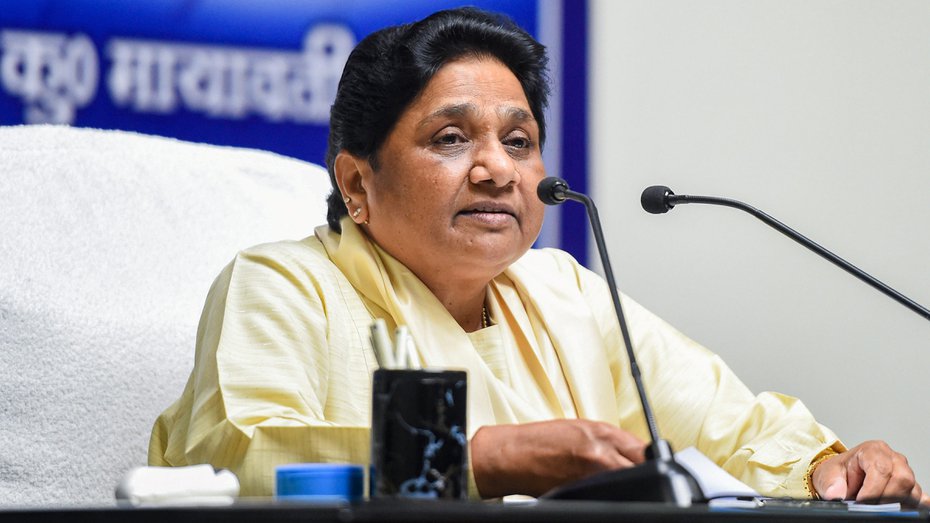
Two women politicians, Ms Jaya Bachchan and BehenjiMayawati went on record asking for suspects to be publicly lynched and celebrated the deaths by encounter, respectively. This ironically, while we have a rape accused anointed as Chief Minister of the largest state in the country (he is an accused, like these others who are now dead, is he not?), and another who has been allowed to flee the country and set up his own ‘nation’ – untouched by the long arm of the law, men of god, both. And yet another politician whose case might abate because the victim has been attacked and is battling for life with 80 percent burns.
This is precisely why as citizens in this free country, we need to think apart from these voices of power and impunity that are the biggest threat to the cause of women. I perfectly understand the emotional upheavals and the grief of the families of victims, who will, from their point of view, sometimes ask for death in return for death. But we also need to remember that not all people do that. We can scarcely forget that Mrs. Sonia Gandhi asked for clemency for the accused in the Rajiv Gandhi assassination case. Grief at loss speaks through different tongues, and we need to be mindful of this fact. Violent deaths and maiming are gruesome – sexual assault, assassination, caste atrocity, shooting children with pellets and guns… But we must take note of the diverse ways in which we grieve, and the diverse ways in which we can grieve and heal.
We asked for a more stringent law on rape. We got a far more stringent law, as a direct result of the public outcry and the intense deliberations of the Justice Verma Committee on rape law reform in 2013. In an important sense therefore, the struggles of the Delhi victim’s family were not in vain. The Nirbhaya Act is testimony to the strength of her spirit and an acknowledgment of the loss – to family, and country – by the mere possibility of this level of violence.
Trigger happy policemen with an utter disregard for the law are not the answer we seek. The ends of justice are not served by wanton killing and retributive bloodlust. The course of justice is not determined by the grief and grieving of victims’ families. Justice lies in supporting them in their moment of grief and pain and insisting on due process that brings suspects and accused to trial through a robust, stringent and competent criminal investigation.
What is the purpose served by killing four unarmed suspects who were in high security police custody and certainly under physical restraint? The loss of life is never compensated by the taking of more lives. In its arbitrariness, its pre-meditated nature and the guarantee of impunity it enjoys, it is grossly unlawful – and in complete derogation of Article 21 of the Constitution of India – ‘No person shall be deprived of his life or personal liberty except according to procedure established by law.’
At the end of it, what is the account of bodies we are left with in the case of the veterinarian?
One person (a woman) was raped, killed and tortured post-mortem – a most heinous treatment of a human being possible.
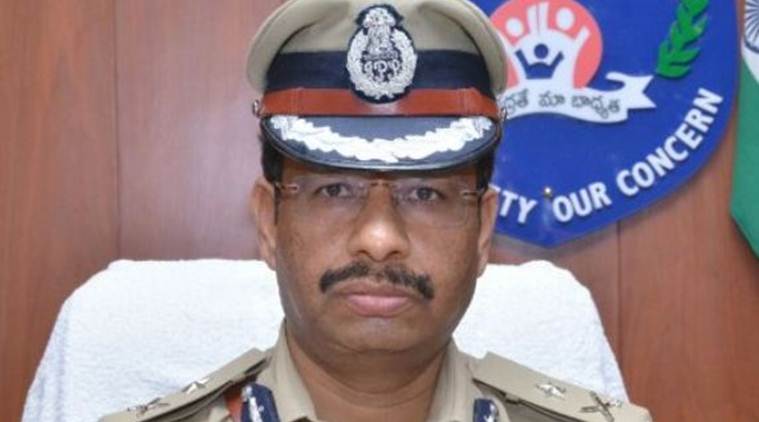
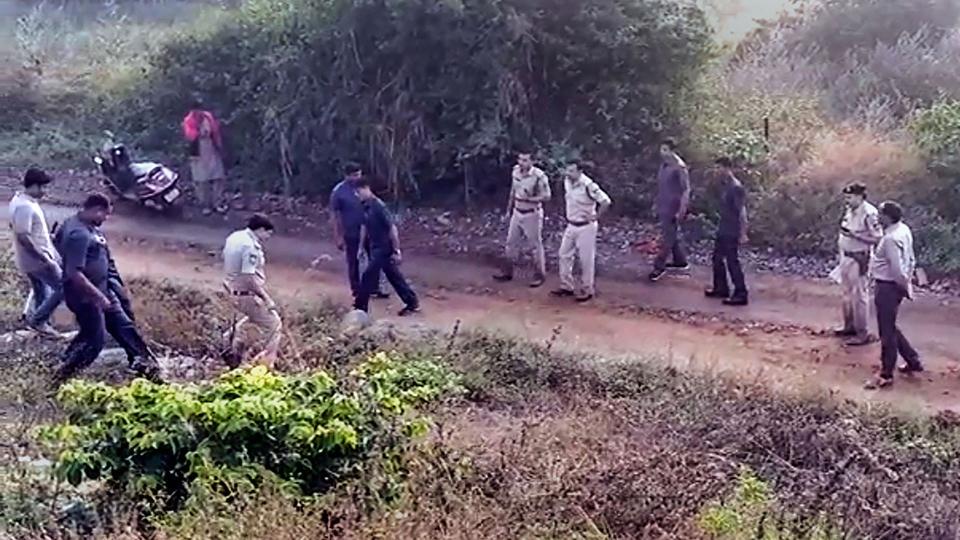
In return, 4 suspects are apprehended and shot in custody within a week, without the criminal investigation having commenced in any substantive way. They were shot purportedly when they tried to escape during an exercise of reconstruction of crime at the scene of offence – so even that very preliminary step in criminal investigation had not been completed. So, the police personnel – unnamed, except for the Commissioner of Police – have caused the investigation of the crime of rape and murder to abate by killing the suspects. They have still not been convicted for the crime, nor their involvement investigated fully. However, that is not the end of the matter, because, as a direct result of this shooting, we have four more dead bodies – all victims of murder, according to the definition of murder in criminal law – that must be investigated. Unlike the suspects who confessed in custody under conditions of restraint, in the second set of murders, we have an open and public admission of commission of the act of killing by officers of the state. The official version is that the suspects were attempting an escape when the police shot in ‘self-defense.’ Self-defense is a plea when the other party is armed and tries to kill, is it not? Surely these four men, having been kept in custody, were unarmed. Be that as it may, self-defense is only up for consideration during the evidentiary stage of a trial, and cannot be claimed to escape responsibility for willfully and in pre-meditated fashion causing death. We have deliberated on this at length in the High Court of Andhra Pradesh and Justice GodaRaghuram’s judgment and Justice Bilal Nazki’s dissent that preceded it can scarcely be set aside.
The police are officers of the state – bound by the Constitution and trained in Criminal Procedure, the law of evidence, and the Penal Code, among others. They have been given arms to protect, and to ensure security, not to kill and maim at will. A disciplined police force is a non-negotiable for the rule of law. They are under oath to subserve the constitution, irrespective of what dominant public sentiment is. Can we ever forget Dr. Ambedkar? Public morality he warned must yield to constitutional morality, which may not be a natural sentiment, but one that we as a civilized constitutional democracy – if we call ourselves that — must school ourselves into. The need is restorative policing, not retribution.
As women, it is extremely dangerous for us to succumb to the blood lust of the police, and the arbitrariness of the state, even while we travel the torturous road to justice, freedom and dignity. It is difficult to even think through, but we have no alternative road to a just society.
(Author is Professor & Director, Council for Social Development, Hyderabad)
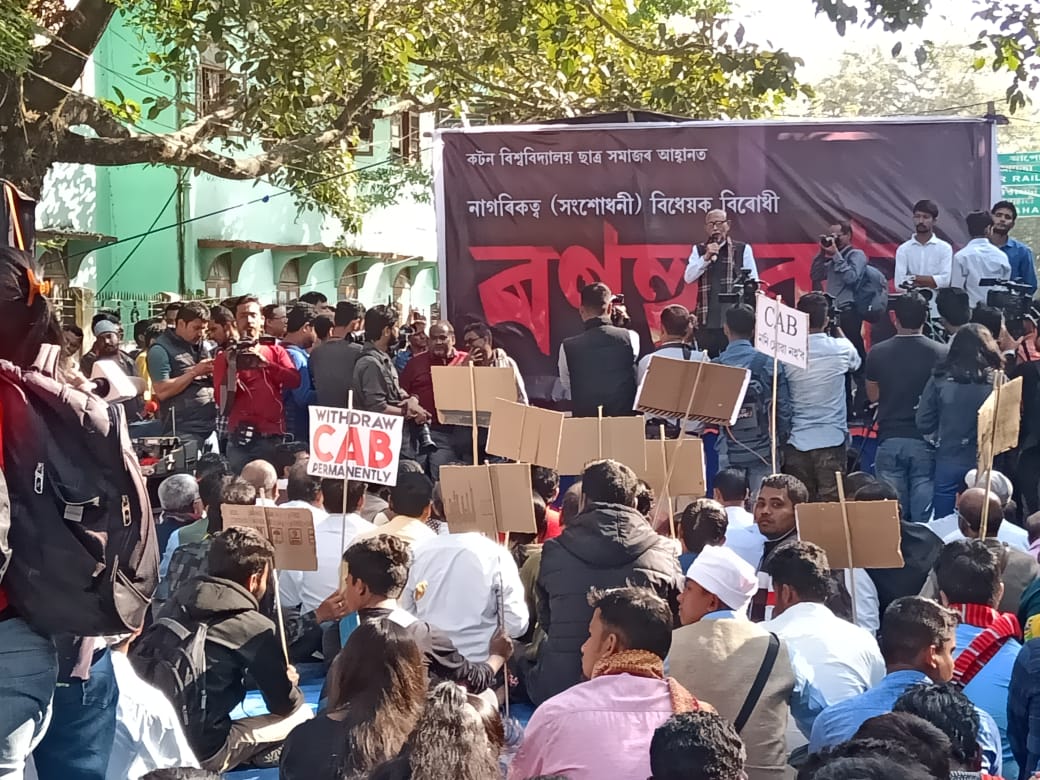
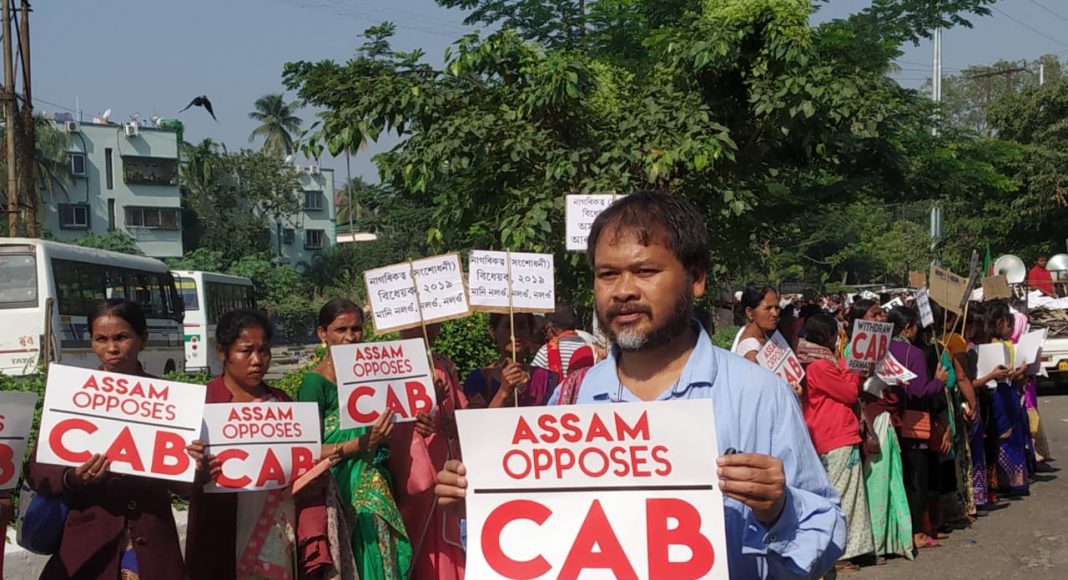
Guwahati, December 6, 2019: Moments after news of the clearance of the Citizenship Amendment Bill (CAB) by Union Cabinet on December 4, 2019 massive protests have erupted all over Assam.
Protests on the streets, within various Government premises by various organizations, political parties, rights and social organizations. The clearance of CAB by the Union Cabinet, which is now all set to be passed by the Lok Sabha and Rajya Sabha respectively on December 9 and 10, has generated a huge discontent among people of Assamese nationality. At the various protest meetings, marches, sit-in demonstrations that have burst forth in different parts of the state, questions are being raised about CAB: the amendment bill is not only against the basic structure of Indian Constitution, but has also fuelled again the popular narrative here in Assam. This revolves around the entrenched belied that such an amendment will allow lakhs of Bangladeshis to be settled in Assam and this will endanger the Assamese language, culture and identity.
After the clearance that CAB got on December 4, both AASU and AJYCP held a protest program at Assam House, New Delhi. Thereafter, various torch marches were organized in various towns by more than 100 organizations. On December 5, massive protest meetings were organized all over the state by various organizations, where several thousands of people attended.
The massive protest meetings and rallies that took place against CAB on December 5 in Assam spanned the whole state: Panikhaiti in Kamrup District, Rangpur in Silchar city in Cachar District, various places of Majuli, Kamalabari in Majuli District, Gargaon in Sivasagar District, Sadia of Tinsukia District, Filobari in Tinsukia District, Hatikhuli in Sivasagar District, several places of Marangi in Golaghat District, Mathurapur in Charaideu District, Tingkhang in Dibrugarh District, Rajgarh in Dibrugarh District, Sepon in Dibrugarh District, Jagon in Tinsukia District.
The other places where massive protests took place are Doomduma, Golaghat, Moran, Sapekhati, Margherita, Tiyak, Namti, Lahowal, Sivasagar, Tinsukia in upper Assam.
Likewise, heavy protests were witnessed in Samoguri in Nagaon District, Puranigudam in Nagaon District and various other places in these District. Likewise, in lower Assam various places of Nalbari District, Tamulpur in Baksa District, Ghograpar in Nalbari District, Patacharkuchi in Barpeta District, Mirja in Kamrup District, Bagmara and Pathsala in Barpeta District, Kamalpur in Kamrup District. Other places that witnessed such protest are Hauraghat in Karbi Anglong hill District, Tongla in Udalguri District, Morigaon, Jagiroad and Mayong in Morigaon District, Dhakuakhana in Dhemaji District, Laluk in Lakhimpur District, Dhemaji public bus station, Dhemaji police station traffic point, Bordoloni, Gogamukh, Silapather and Simen Sapori in Dhemaji District, Sisibor Gaon in Lakhimpur District, Gahpur and Biswanath Chariali in Biswanath District.
The important protest meeting and rally was organized by Krishak Mukti Sangram Samitee (KMSS) where 28 another organizations and individuals including some eminent journalists, artists, writers and eminent public figures attended. The protest march was organized adjoining the Assam Legislative Assembly at Dispur Lastgate area, violating the prohibitive orders in this zone.
At the meeting several speakers, rapped the present BJP Government in the state and centre for imposing the CAB in violation of the basic structure of the Constitution doctrine and the Assam Accord. At the meeting almost all the speakers warned the Central Govt that CAB will not be accepted in Assam. at any cost. Speaking the huge gathering former DGP of Assam Mr. Harekrishna Deka said, “CAB is against the spirit of Indian Constitution, it is against Assam Accord, it is against people of Assam. It must be defeated to protect our constitution, for the safeguard of Assamese society, language and culture. People of Assam will never accept the CAB.” Haidar Hussain an eminent journalist of Assam said, “the unwanted children of Assam who are leading the present Government are supporting the CAB only to kill Assamese society.” Another eminent journalist Adip Phukan Said, “it is a life and death question for Assamese society. If the CAB is passed, Assam will not exist.” Akhil Gogoi, chief adviser of KMSS leading the gathering said, “it is time to unite Assamese society. If Assamese society is to exist we must compel the Government to withdraw CAB. The people of Assam will not accept the CAB as it will open the door for the entry of 1.7 crore people to Assam.” All Assam Tai Ahom students Union (AATSU) leader Manoj Gogoi said in the gathering, “Assamese people will never bow down before the Indian Government, hence, it will reject CAB.” He further warned that “ Assamese people do not know how to die, they know only how to kill.” Lahit Gogoi, The working president of Tai Ahom Yuva Parishad, Assam (TYPA) said, Narendra Modi took our vote on a promise that they will deport the foreigners. But, they are inviting foreigner now through CAB. It is not acceptable.”
Many other leaders spoke at the gathering including Naba Kumar Maran of Maran Students Union, former BJP leader Mira Barthakur, Ankuran Phukan of Ahom Sena, Durlabh Gohain of Moran Sabha, Paresh Malakar of Assam Civil Society, Prabin Das of Liqueur free Assam, Jayanta Gogoi of All Assam Development Council, Rubul Das of All Assam Scheduled Caste Students Youth Parishad, Jitul Deka of Assam Yuva Mancha, Mokbul Hussain of Assam Goriya Moriya Youth Students Councils, eminent lawyer Nekibur Zaman and many others.
Meanwhile, many others organizations including All Assam Students Union (AASU), Assam Jatiyatabadi Yuva Chatra Parishad (AJYCP), KMSS, Lachit Sena, Assam Sena and others organized such meetings and protests all over the state where thousands of youth students and general people attended. In the early morning several member of AJYCP organized a naked protest march at Chabua which is the home town of present Chief Minister of Assam Sarbananda Sonowal.
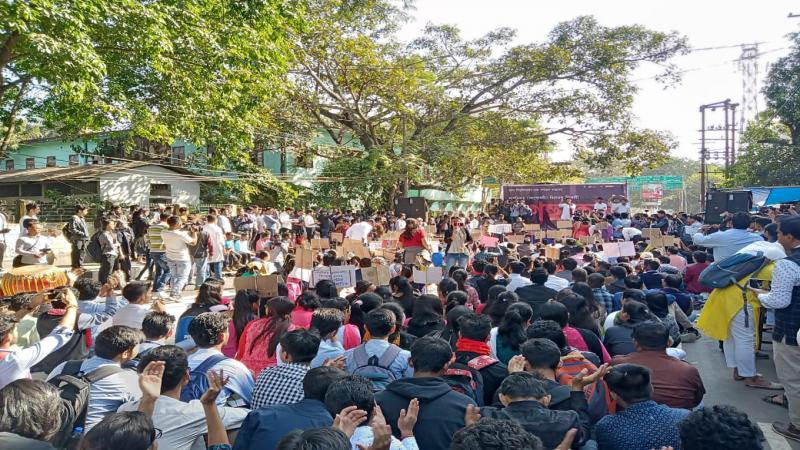
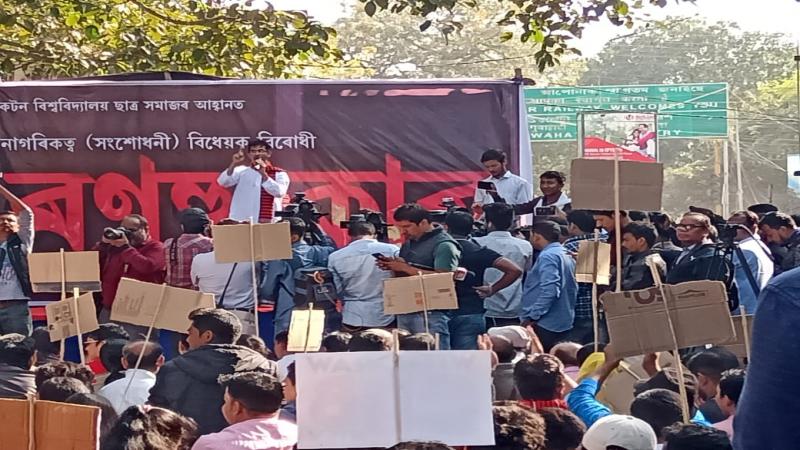
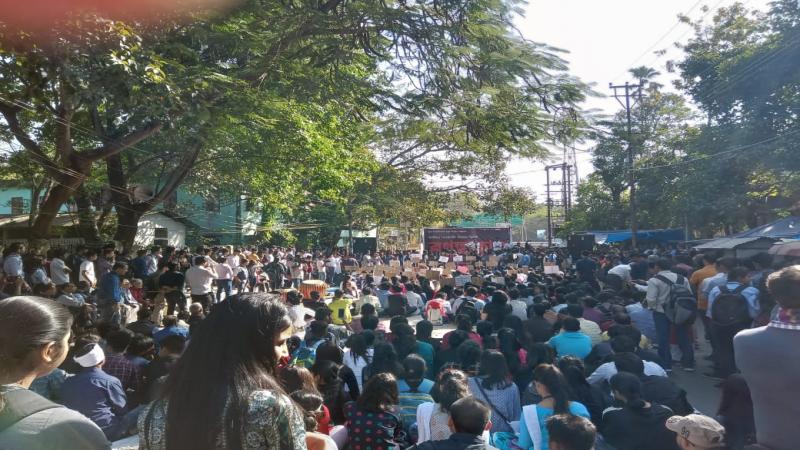
Even today, December 6, Left Democratic Mancha of Assam which consists of 10 political parties took out a protest march at Ambari area where several hundreds of people attended. Another massive protest was organized by Cotton University Students Union in the heart of Guwahati city where thousands of people including students, youths, artists, poets and intellectuals participated.
Guwahati, December 6, 2019: Amidst the huge protests and discontent on Citizenship Amendment Bill (CAB),2019 the intelligence branch of Assam police have gathered information of the possibility of some untoward incidents all over the state. Sources within the Assam police have informed mediapersons that there is some probability of untoward incidents in any part of the state due to growing discontent over CAB. After receiving such security threats, the Assam police has tightened security at the offices of BJP, RSS and AGP. It may be mentioned here that, some people and head of the organizations have been openly threatening that after passing of CAB they will attack BJP and AGP offices including the leaders of both the parties. Two days back, self styled supremo of Lachit Sena, Sringkhal Chaliha had said, “we need to beat leaders of the AGP and the BJP. If the CAB is passed we will attack the Bengalis all over the state.“ The Lachit Sena members have also thrown eggs on the BJP office of Sivasagar District. They also threatened such attacks on other BJP offices if the proposed Citizenship Bill is not withdrawn. Likewise, self styled leader of anti lacquerer association Prabin Das has threatened that if CAB is not withdrawn they will attack on Bengalees openly. It is due to this context that the Government of Assam has tightened the security around the offices of the ruling party and affiliate organisations.
However, they have not taken any steps to arrange security for the general public who are as vulnerable. It is pertinent to mention here that some people are trying to target and spread hate and division between the Bengali and Assamese people, which has become greater concern for peace loving people of the state. Dr. Hiren Gohain, eminent public intellectual of the state while speaking to a mammoth rally organized by Cotton University Students Union today at Guwahati said, “ the movement against CAB is not a movement against any linguistic or religious community but it is the movement against the autocracy of the Government. The movement is to save the constitution. Our fight is against those who are diminishing the secular and democratic fabric of our constitution. All of you gathered here must have this basic understanding so that such a conspiracy to divide of our society can’t be fulfilled by the ruling party .” Similarly, Anuradha Sarma Pujari, a popular novelist and writer of the state advocated that all citizens should be on high alert so that any quarrel between Bengali and Assamese does not arise.”
Not only the general populace and peace loving people are also concerned about the law and order situation and keen to maintain the tranquility of the state. This is especially true of the Assamese people living in the Barak Valley including the students and employees who are concerned about the ongoing situation. Likewise, the Bengalees living in certain parts of upper, lower and middle Assam are also concerned about their own safety and security. At the same time, Assamese people living in certain remote areas of lower Assam also face some security threats. However, so far the police administration of the state has not taken any proper steps to beef up security in such vulnerable areas where ordinary sections of the population are affected.
Folk singer, found hanging in Jalpaiguri. Family suspects he committed suicide as he was extremely worried about documents related to his identity and citizenship.
69-year-old Shahabuddin Mohammed, a Bhawaiya Rajbanshi folk singer, was found hanging from a tree near his home. His family says that Mohammed had been under severe stress due to the NRC.
His nephew Alimul Alam told The Telegraph, “He was depressed as he could not find proper documents related to his land. He would be glued to TV to know about NRC and would often say that if he could not get those documents, his citizenship would be called into question. Some recent remarks of leaders had left him more scared.”
Mohammed also ran a small grocery shop outside his home to make ends meet. He is survived by a son and two daughters.
This suspected suicide is the tenth such case in Bengal and fifth incident in Jalpaiguri alone! But instead of finding a way to offer people assurance, the political leaders are engaged in a blame game. TMC leader Dulal Debnath who is the deputy chief of the Jalpaiguri Zila Parishad blamed the BJP for making statements about the NRC that cause panic among people pushing them to suicide. However, Jalpaiguri BJP chief Debashis Chakraborty dismissed Mohammed’s death as the result of a property dispute.
The Times of India reported that amidst these reports, unrest in Assam has intensified and has further spread to Tripura. The central executive of All Assam Students Union (AASU) discussed in a meeting the feasibility of approaching the Supreme Court against the Bill if it gets passed in the Parliament and further receives the President’s assent, which will just be a procedural step. AASU’s General Secretary Lurinjyoti Gogoi said, “The government has gone all out to bulldoze the aspirations of the people of Assam and the rest of the northeast. They want to invalidate the Assam Accord by passing the citizenship bill on December 10, which is observed as Swahid Diwas in commemoration of the sacrifices made by one of the slain torchbearers of the Assam Agitation, Khargeswar Talukdar.” He further said that AASU is determined to take legal recourse in case CAB get passed in Parliament next week.
A meeting is scheduled to take place between AASU and representatives of NESO (north East Students’ Organization) to make plans to strengthen the movement against CAB.
An IIT-Guwahati professor, Swaroop Nandan Bora said, “I pray that this bill does not disturb communal harmony in the state. I believe the provisions of the Assam Accord should be adhered to because it is the one document that everyone accepted.”
Tripura
The Indigenous Nationalist Party of Tripura, BJP’s ally in the state, held a dawn to dusk protest on December 5 during which they blocked road and rail traffic. According to the party’s President, Bijoy Kumar Hrangkhawal hundreds of indigenous people across party lines joined the protests to protect the rights of tribals, as the controversial bill aims to grant citizenship to all non-Muslim illegal immigrants from Pakistan, Bangladesh and Afghanistan, albeit, the main concern in the North east is of influx of people from Bangladesh.
Even Tipraland State Party (TSP) held protests on December 2 with a dual agenda to oppose CAB and to demand separate state for tribals in Tripura. The Times of India reported that during this protest, normal life was hit as vehicles remained off the roads and markets and government institutions remained closed. The TSP President, Chittaranjan Debbarma, said, “The indigenous people in Tripura have been reduced to a minority due to the influx of illegal immigrants from Bangladesh and other countries. If the CAB is passed and all illegal immigrants are allowed to stay here permanently, then the indigenous people of the NE region will slowly lose their identity and rights.”
Meeting with NE representatives
After the meeting with organizations from north east who were opposing the bill and the Chief Ministers of north-eastern states of Assam, Manipur and Nagaland, held at the end of November, CAB was reportedly redrafted. The bill is likely to exclude three States in the North-East with the ILP (Inner Line Permit) regime out of its ambit besides the tribal areas in as many as three other the Northeast States, namely, Assam, Meghalaya and Tripura. These are the tribal areas where autonomous councils and districts were created under the Sixth Schedule of the Constitution.
The ILP is an official travel document issued by the Government of India to allow inward travel of an Indian citizen into a protected area for a limited period. The ILP regime is under the Bengal Eastern Frontier Regulation, 1873. Section 2 of the regulation says the ILP system is present in Arunachal Pradesh, Mizoram and Nagaland.
Thus, what gets left out is the whole of Sikkim and Manipur as well as non-tribal areas of Assam, Meghalaya, Tripura. Hence, the agitation is continuing and the exceptions to ILP and Sixth Schedule are being seen as a band aid to a much bigger injury that the entire region will have to nurse.