As for me, I may light one single diya to say a prayer for Kashmir, for Aarey, for all the wrongs that have befallen people around me. I would only make one resolve- to clean out not just the house, but also the minds of as many people as I can. This year, we need to come home to our own kindness and humanity before we celebrate Diwali, together, as always.
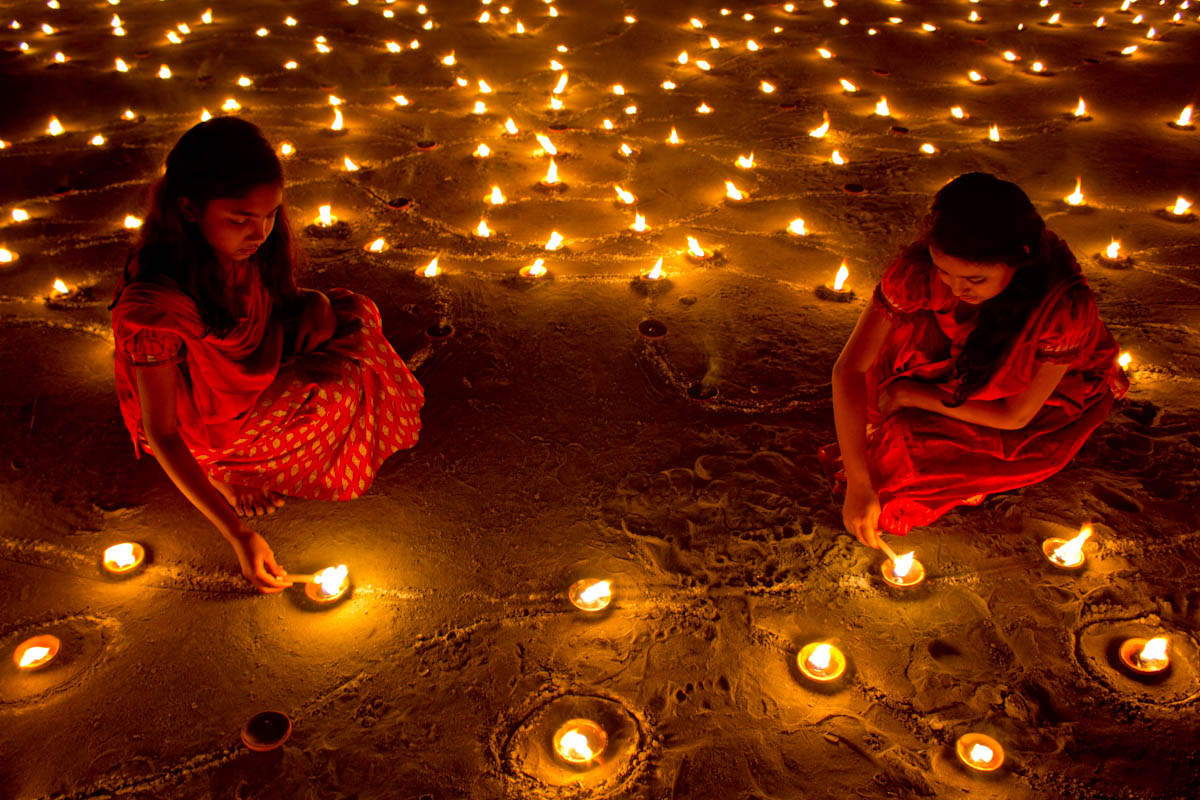
Representation Image
Diwali in my house was never a loud affair. I do remember other children bursting crackers in the street but I was always too scared because I had seen a Bollywood movie where the heroine lost her eyesight because she lighted up an anaar (aka flowerpot cracker) from too close. It was just as well. My mother is an asthmatic and my father had his notions of Green Diwali before anyone was talking about environmental consciousness. We would go to the Gurudwara and light some candles around the Nishan Saheb. I would make it a point to re-light candles that had gone out, perhaps believing the prayers attached to those candles would not be answered unless they were lit.
We had a chapter in our Punjabi textbook that told us about the significance of Diwali for Sikhs. We had known about the Hindu festival and why it was celebrated in great measure because of TV programs, but no one had taken the time to really explain the Sikh historical significance until we read that chapter. Also known as Bandi-Chhor Diwas, Diwali celebrates the release from prison of the sixth guru, Guru Hargobindji, and 52 other princes with him, in 1619. According to Sikh history, Guru Hargobindji and 52 princes had been imprisoned by Emperor Jahangir. The emperor decided to release Guru Hargobindji, but the Guru insisted that the princes be released with him too. The Emperor agreed, but said only those who could hold onto his cloak tail would be allowed to leave the prison. This was in order to limit the number of prisoners who could leave.
However, Guru Hargobindji had a cloak made with 52 pieces of string and so each prince was able to hold onto one string and leave prison. Sikhs celebrated the return of Guru Hargobindji and the princes by lighting diyas all over the Golden Temple and the tradition continues till today.
This story added new insight to Diwali celebrations for me, and as I went on to leave home at the age of 15, Diwali also changed. Every year, there would be a rush to book tickets and arrange leaves to go home for Diwali. Our college in Manipal, Mangalore, would organize a grand Diwali party 10 days before actual Diwali so that students and teachers could celebrate together before they all left for their respective homes. Students and teachers from multiple religions and nationalities would come together to dance, play games, share a meal, and light diyas all around the college campus. Going home was a costly and lengthy process for some of us, and we would often stay behind in the hostel. The girls hostel had no open spaces at night except one long balcony. We would all line up there huddled together, watching the sky for fireworks.
Last year in Mumbai, another nostalgic kindred spirit decided that Diwali should never be a lonely experience for anybody. With help from a local resident, whose house became the venue, they threw a Diwali party for anyone who was alone and away from home in Mumbai. They had created a Facebook event page and everybody was welcome. 30-40 friends and strangers piled into the organizers’ house on Diwali eve. Students, professionals, people of all ages came together to make their Diwali away from home, a beautiful experience of community and togetherness. It is important to note that the organizer was a Muslim student, Hasan Baldiwala, and the venue was provided by a Sikh actor, Taranjit Kaur. How could anyone be cynical about religious harmony when such heart warming stories exist?
This year, for me, things have become much darker. I see the pain of a blacked-out Kashmir, I am hearing stories of people losing loved ones and finding out about it a month later because they couldn’t communicate with anyone. No celebration seems apt in these dark times. We talk about not bursting crackers for the sake of environment and animals, on social media, but we know, come Diwali, there will be crackers and loud music everywhere. People will celebrate in their own ways.
As for me, I may light one single diya to say a prayer for Kashmir, for Aarey, for all the wrongs that have befallen people around me. I would only make one resolve- to clean out not just the house, but also the minds of as many people as I can. This year, we need to come home to our own kindness and humanity before we celebrate Diwali, together, as always.