भारतीय समाज की सबसे निचली सीढ़ी पर खड़ी दलित स्त्री ने समाज की वर्जनाओं निषेधाज्ञाओं को लांघते हुऐ ब्राह्मणवादी व्यवस्था केमुख्य आधार स्तम्भ; पितृसत्ता, धर्म और जातीयता को हमेशा कड़ी टक्कर दी है। चाहें वह चिन्तन का क्षेत्र हो अथवा संघर्ष का, दोनो स्तरों पर उसने अपने अस्तित्व व अस्मिता की लड़ाई को प्राचीन काल से लेकर आज तक जारी रखा है।
आधुनिक महिला आन्दोलन की शुरूआत 18वीं शताब्दी से मानी जाती है परन्तु दलित महिला आन्दोलन की शुरूआत हम बौद्धकाल से ही मानते है। दलित महिला आन्दोलन महज 200 साल पुराना न होकर सदियों पुराना है, जिसमें सर्वप्रथम बौद्धकालमें दलित वर्ग की, थेरी सुमंगला और पूर्णिमा दासीके द्वारा लिखी गई कविताओं को, हम दलित नारीवाद की प्रथम सशक्त अभिव्यक्ति मानते है। सुंमगला उन्मुक्त स्वर में अपने द्वारा, अपने आप को पा लेने की घोषणा करते हुए यानि अपने अस्तित्व को पहचाने की एक लंबी कष्टदायक प्रक्रिया से गुजरते हुए,एक उन्मुक्त और स्वतंत्र स्त्री की तरह अभिव्यक्त करते हुए गा उठती है-
मुक्त हूं मै, मुक्त
धन कुटे से पिंड छुटा, देगची से भी
मैं कितनी प्रसन्नचित्त हूं
अपने पति से घृणा हो गई है
उसकी छत्र-छाया को मै अब बर्दाश्त नही कर सकती
इसलिए मैं कड़कड़ा कर नष्ट करती हूँ
लालच और नफरत को
और मैं वही स्त्री हूं
जो पेड़ तले जा बैठती है
और अपने आप आपसे कहती है
आह! यह है सुख
और करती है चिंतन मनन सुखपूर्वक
पति की मार से त्रस्त सुंमगला मुक्ति का मार्ग ढूंढ लेती है, तो दलित स्त्रियों के जीवन के दमघोटू और शोषणकारी पलों को दासी पूर्णिमा ने बड़ी सशक्त अभिव्यक्ति दी है –
मै पनिहारिन थी
सदा पानी भरना मेरा काम
स्वामिनियों के दण्ड के भय से
उनकी क्रोध भरी गलियों से पीड़ित होकर
मुझे कड़ी सर्दी में भी सदा पानी में उतरना पड़ता था’
दलित स्त्रियां चौतरफा शोषण की शिकार हैं। दलित होने के कारण, स्त्री होने के कारण, और उस पर भी दलित स्त्रीतथा चौथा गरीबी के कारण। चौतरफा शोषण, अन्याय, अत्याचार के बावजूद वह अनवरत काल से संघर्ष करती रहीं हैं। पूर्व मध्यकाल में कुछ दलित संत कवयित्रियं है जो अपनी अप्रतिम प्रतिभा व जीवटता के कारण ही तमाम जातीय षडयंत्रों की शिकार होकर भी गुमनामी के अंधेरे में ना खोते हुए, समय के पथ पर अपने महत्वपूर्ण पद चिन्ह छोड़ने में सफल रही हैं। हालांकि उनकी राह बहुत कठिन थी। परशुराम चतुर्वेदी अपनी पुस्तक(उतरी भारत की संत परंम्परा पेज 101 से 103) में चौदहवीं शती की दलित संत ललदेह के बारे में अपना मत रखते हुए कहते है कि‘लल्ला या लाल कश्मीर की रहने वाली एक ढेढवा मेहतर जाति की स्त्री थी जो सामाजिक दृष्टि से निम्न स्तर वाले परिवार की होकर भी बहुत उच्च विचार रखती थी। इसके विषय में प्रसिद्ध है कि यह शैव-सम्प्रदाय का अनुसरण करने वाली एक भ्रमणशील भंगिन थी’’। चौदहवीं शताब्दी की संत ललदेह, जो कि कश्मीरी कविता की जनक भी कही जाती है, कुछ समय पहले तक मु्ख्य धारा के भक्ति काव्य-विमर्श और पटल से एकदम अदृष्य थी। दलित साहित्य और दलित महिला आंदोलन दोनों विदेशी विद्वान डा0 गिर्यसन और डा. बनेट का हमेशा शुक्रगुजार रहेगा जिन्होने अपने अथक प्रयासों से गली-गली, गांव-गांव घूमकर, संत ललदेह का काव्य खोज निकाला और उनके वाखों को ‘‘लल्ला वाक्यानि” में संगृहीत कर दिया। संत ललदेह ने अपने वाखों के माध्यम से जाति प्रथा, धार्मिक कट्टरता, छुआछूत के खिलाफ बहुत ही सरल व सीधी भाषा में वाख यानि पद लिखे है। संत ललदेह ने मूर्ति पूजा के साथ-साथ स्वर्ग नरक की धारणा का भी खंडन किया है। अपने होने के अहसास को जिस मजबूती से संत ललदेह ने स्वीकारा है वह अभिव्यक्ति अपने आप में दलित महिलाओं की उच्च जीवट शक्ति की परिचायक है —
हम ही थे, होंगे हम ही आगे भी
अविगत कालों से चले आ रहे हम ही
जीना मरना न होगा समाप्त प्राणी का
आना और जाना सूर्य का धर्म है यही’
मध्यकाल की ही मराठी भाषा की एक और प्रसिद्ध दलित संत कवयित्री है जनाबाई, जो कि संत ज्ञानदेव की दासी थी। भक्ति की धारा जो उस समय बह रही थी जनाबाई उस भक्तिधारा के खिलाफ अलग तरह की भक्ति की धारा चलाती है जिसमें भगवान भगवान नही एक साधारण मनुष्य बन जाता है। जनाबाई कहती है-
जनी फर्श बुहार रही है
ओर भगवान कूड़ा इकट्ठा कर रहे है
अपने सिर पर रखकर दूर ले जा रहे है
भक्ति से विजित
ईश्वर नीचा काम कर रहें है
जनी बिठोवा से कहती है
मै तुम्हारा कर्ज कैसे उतारूंगी
यह वही भगवान (बिठोवा) है जिसे प्रख्यात कवि मीराबाई ‘एक मात्र पुरूष कहती है। हालांकि मै इस बात से बिल्कुल सहमत हूं कि मीराबाई जैसा क्रांतिकारी चरित्र भक्तिकाल में दुर्लभ है, परन्तु दलित संत कवयित्रियां उसे एकमात्र पुरूष के घेरे से खींच एक समान्य मनुष्य की तरह अपनी जमीन पर उतार लाती है। यहॉ दलित और ‘गैर दलित महिलाओं की रचनाओं में बुनियादी फर्क नजर आता है। जनाबाई भक्ति को अधिकार के रूप में देखती है। उपकार या मोक्ष-स्वर्ग पाने के माध्यम के रूप में नही। ईश्वर पूजने के अधिकार के साथ-साथ वे बाजार में भी पूरी ठसक के साथ बाहर निकलना चाहती है ऐसा करने में उन्हें बदनामी का डर नही सताता-
सारी शर्म छोड़ दो और बेच डालो खुद को भरे बाजार
केवल तभी
तुम उम्मीद कर सकते हो
ईश्वर को पाने की
जाउंगी भरे बाजार
हाथ में मंजीरा
और कंधे पर वीणा लिए
मैं जाउंगी भरे बाजार
कौन रोक सकता है मुझे
मेरी साड़ी का पल्लू गिरता है
तब भी मैं जाउंगी भीड़ भरे बाजार
बेपरवाह, बिना सोचे, बिना विचारे
दलित संत कवयित्रियों की लड़ाई मंदिर प्रवेश से लेकर भगवान पूजने के अधिकार की होते हुए भी ईश्वर के पक्षपाती रवैये के धिक्कार की भी है क्योंकि वे इस बात को समझती है कि ईश्वर भी उनकीदलित स्त्री होने की पीड़ा को नहीं खत्म कर सकता! बांग्ला भाषा की धोबी जाति की दलित कवयित्री रामी कहती है —
तूफान को उन लोगों के सिर पर गिर जाने दो
जो अपने घरों में छिपे, अच्छे लोगों को कोसते है
मैं और ज्यादा इस अन्याय की भूमि पर नही रह सकी
मुझे वहां जाना है जहां यातनाएं न हो
दलित कवयित्री रामी के साथ विडम्बना यह है कि आज रामी रचित दुर्लभ पद यदि मिल भी जाये तो वह उनके पति व सुप्रसिद्ध वैष्णव कवि चंडीदास के पदों में समाहित है। हमेशा से ऐसा ही होता आ रहा है कि यदि पति-पत्नी दोनों ही समान काम करते हो तो महत्ता पति को ही मिलती है। यही भक्त कवि रामी के साथ भी हुआ है। इसलिए बहुत खोज करने पर भी उनके पद नही मिलते है। हाथ लगती है तो केवल जनश्रुतियां, किस्से-कहानियां और किवदंतियां। मध्य काल में और भी अनेक दलित संत कवयित्रियॉ हुई है जिनमें कई के नाम हम जानते हैं और कई को अतीत के गर्भ से खोजना बाकी है। परन्तु अब वह समय दूर नही कि इतिहास के गर्त में छिपी इन साहित्यकारों को वह उचित स्थान जो अभी तक नही मिला, भविष्य में जरुर मिलेगा।
अब सवाल यह उठता है कि क्या कारण है कि ये दलित कवयित्रियॉ अपने चिंतनशील और वैचारिक लेखन के बावजूद साहित्यिक समाज में अपनी जगह नही बना पाई। शायद इसका मुख्य कारण यही था कि इनदलित कवयित्रियों के प्रति शोधकर्ताओं और इतिहासकारों का रवैया भेदभावपूर्ण था तथा वे जातीय पूर्वाग्रह से ग्रसित थे। ब्राह्मणवादी पितृसत्तात्मक समाज में दलित महिलाओं का स्थान सबसे निम्न होने के कारण उनके प्रति दृष्टिकोण हेय था।
ऐसा नही है कि दलित स्त्री के साथ पक्षपात केवल साहित्य के क्षेत्र में ही हुआ हो। साहित्य के साथ साथ विभिन्न सामाजिक, राजनैतिक आंदोलनों में भी इसी पूर्वाग्रहों चलते उनकी हिस्सेदारी व नेतृत्व की तो बात दूर है उनका नाम तक का वर्णननहीं मिलता है। इसी वजह से दलित संत कवयित्रियों के साथ-साथ दलित महिला आन्दोलन की नेत्रियों और कार्यकर्ताओं की भी किसी भी इतिहास में चाहे वह दलित इतिहास हो या गैरदलित दोनो में, उपस्थिति शून्य दिखाई जाती है। दलित महिला आन्दोलन और लेखन की एक लम्बी परम्परा रही है, अब साक्ष्यों का भी अभाव नही है, आज दलित महिलाएं बडी शिद्धत और प्रतिबद्धता से अपने अस्तित्व और अस्मिता के सवालों से जूझने के साथ उन्हें उठा ही नहीं रही बल्कि उन पर विमर्श भी चला रही है। दलित महिला आन्दोलन के अपने आदर्श रहे हैं, सावित्रीबाई फुले से लेकर रमाबाई अम्बेडकर और अन्य दलित महिला नेता। आज भी हम दलित-गैरदलित महिला आन्दोलन पर चर्चा करते समय विदेशी विचारकों की तरफ मुंह उठाकर देखना बंद नही करते जबकि भारत में एक से एक दलित व गैर दलित महिला विचारक रही हैं। क्या हम तारा बाई शिन्दे, पंडिता रमाबाई ओर सावित्रीबाई फुले को भूल गए जिन्होंने विपरीत सामाजिक और स्त्री विराधी परिस्थितियों में काम ही नही किया अपितु स्त्रियों के पक्ष में भी परिस्थितियां बनाने भरपूर कोशिश की। सावित्रीबाई फुले का दलित- गैरदलित महिलाओं के लिए विद्यालय खोलना, विधवा आश्रम चलाना अपने आप में क्रांतिकारी उपलब्धियां है। हम नारी आन्दोलन की शुरूआत 19वीं शताब्दी के उत्तरार्ध से मानते है जबकि दलित महिला आन्दोलन भारत में बहुत पुराना है। दलित फेमनिस्ट मूवमेंट की शुरूआत हम बौद्धकाल से ही मानते है। आज भी भारतीय महिला आन्दोलन की उच्चवर्गीय व उच्चवर्णीय अगुवा महिला नेता, दलित महिला आन्दोलन के नेता व उनके ‘आईडियल को संम्पूर्ण नारीवादी आंदोलन का आई़डियल मानने को तैयार नही है। दलित महिला आन्दोलन की खासियत है कि वह अपने मुक्ति के सवाल को सामाजिक और आर्थिक प्रश्न से जोड़कर देखता है। दलित महिला आन्दोलन के लिए घरेलू हिंसा के साथ-साथ सामाजिक हिंसा भी उतनी ही महत्वपूर्ण है, क्योंकि दलित महिलाएं रोज-रोज गांवों-शहरों में फैक्ट्रियों- खेतों में दलित स्त्री होने के कारण अपमान शोषण और अत्याचार की शिकार होती है। दुख की बात है कि इस सामाजिक हिंसा के सवाल को महिला आन्दोलन उस प्रतिबद्धता के साथ नही उठाता जितना कि घरेलू हिंसा को।
दलित महिला आन्दोलन महज 200 साल पुराना न होकर सदियों पुराना है, जिसमें सर्वप्रथम बौद्धकालमें दलित वर्ग की, थेरी सुमंगला और पूर्णिमा दासीके द्वारा लिखी गई कविताओं को, हम दलित नारीवाद की प्रथम सशक्त अभिव्यक्ति मानते है।
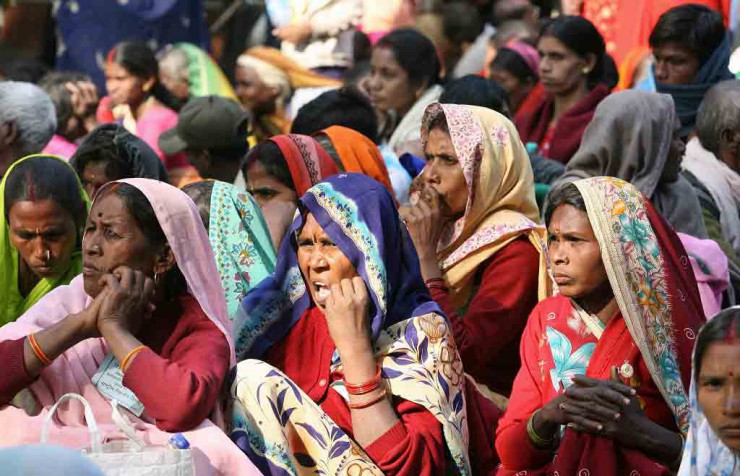
आज दलित स्त्रियां उच्चपद पर होने के बावजूद चाहे वह राजनैतिक हो शैक्षिक या फिर अन्य कोई, उन्हे जिस तरह से समाजिक हिंसा का शिकार होना पड़ रहा है वह आंकड़ा दिन प्रतिदिन बढ़ता जा रहा है। दलित छग्गीबाई सरपंच बनने के बाद भी अपमानित होती है, उड़ीसा में दलित बच्ची ममतानाईक को साईकिल से स्कूल जाने पर उससे साइकिल छीन कर बेइज्जत किया जाता है। डायन, चुडै़ल बताकर आज भी दलित आदिवासी महिलाओं को पत्थरों से मार दिया जाता है। बेड़िनी और बांछड़ा जाति की औरतों को जातिगत पेशे के नाम पर वेष्यावृति में धकेला जा रहा है। देवदासी के नाम पर दलित महिलाओं के शोषण का सिलसिला अनवरत जारी है। भारतीय महिला आन्दोलन के लिए दलित महिलाओं के मुद्दे जैसे मन्दिर, पानी की लड़ाई, सामाजिक यौन शोषण अस्पृष्यता कोई अहमियत नही रखते। मन्दिर पानी के मुद्दे उनके इसलिए अहमियत नहीं रखते क्योंकि उन्हें जन्म से ही जाति आधार पर ये सुविधाएं प्राप्त है। अन्तर्राष्ट्रीय महिला दिवस जो कि प्रत्येक वर्ष आठ मार्च को मनाया जाता है इतने सालों में मंहगाई से भ्रूण हत्या तक मुद्दें बने पर दलित महिलाओ के मुद्दों को कभी प्राथमिकता नही मिली। क्या इसका कारण हम यह माने भारतीय महिला आन्दोलन अति उच्च शिक्षित मध्यम वर्ग की महिलाओं द्वारा चलाए जा रहें है। इसलिए उसमें उसी वर्ग की भागीदारी रही, और मुद्दे भी उन्ही के द्वारा प्रायोजित थे। पर ऐसा भी नही हैं, भागीदारी तो दलित पिछड़ी महिलाओं की बहुत अधिक रही पर लीडरशिप और मुद्दे उनके नही थे। किसी भी आन्दोलन में चाहे वह जनवादी हो राष्ट्रीय आन्दोलन, दलित महिलाओं ने अपनी अहम भूमिका निभाई है। सहभागिता के नाम पर वे भीड़ के रूप में आन्दोलन में जुड़ी रही।
दांडी यात्रा में गांधी जी के हजारों संख्या में दलित महिलाओं ने भागीदारी निभाई। नमक सत्याग्रह में 80,000 लोग गिरफ्तार किए गए जिनमें 17,000 महिलाएं थी जिनमें सर्वाधिक संख्या दलित व गरीब महिलाओं की थी। देश की आजादी के लिए अपने प्राण न्यौछावर करने वालो में झलकारी बाई, उदादेवी पासी, रानी अवन्तीबाई लोधी, वीरांगना महावीरी देवी, सिनगी दई, कइली दई, फूलों, झानों, रानी गूडियालों देवमनी उर्फ बंधनी, राजस्थान की वीर बाला काली बाई आदि अनेक नाम मिल जायेगे। जिन्होने अकेले-अकेले कई-2 मोर्चों पर संघर्ष किया। परआज भी आजादी की लड़ाई में उन्ही शिक्षित सभ्य और ऊॅच घरानों की महिलाओँ के नाम ही गिनाएं जाते है। जो समाज, घर व अपने परिवार की अच्छी सामाजिक-आर्थिक-राजनैतिक हैसियत होने के कारण जुड़ी थी। दूसरी ओरइन हैसियतों से वंचित दलित वंचित गरीब समुदाय की इन औरतों को याद भी नही किया जाता है। यह पूर्वाग्रह साहित्य से लेकर समाज में गहरे तक व्याप्त है।
डा0 अम्बेडकर का समय दलित महिलाओ की अपनी व समाज की स्वतन्त्रता समानता को लेकर की गई सक्रिय भागीदारी का स्वर्ण काल है। परन्तु दुःख इस बात का है कि अम्बेडकर कालीन 30-40 साल चले दलित आन्दोलन में इस आन्दोलन में लाखो-लाख शिक्षित-अशिक्षित घरेलू गरीब मजदूर किसान व दलित शोषित महिलाएं जुड़ी। केवल वे दलित आन्दोलन में ही नही जुड़ी अपितु उन्होंने अलग से दलित महिला संगठनों की स्थापना भी की। 25 दिसम्बर 1927 को चावदार तालाब के महाड़ सत्याग्रह में ढाई हजार दलित औरतो ने भाग लिया। 12 अक्टूबर 1929 को डा0 अम्बेडकर और दलित महिला नेता तानुबाई के नेतृत्व में हजारों महिलाओं ने पूना के पार्वतीबाई के मन्दिर में प्रवेश करते हुए लाठी- डंडे खाये। नासिक के कालाराम मन्दिर प्रवेश के दौरान एक पुजारी द्वारा दलित महिलाओं को धक्का मारने पर एक दलित महिला ने पुजारी के मुंह पर सनसनाता थप्पड़ जड़ दिया था। इस आन्दोलन को सम्बोधित करते हुए राधाबाई बडाले नामक सत्याग्रही ने अपने ओजस्वी भाषण में कहा- हमें मंदिरों मे जाने का, पनघट से पानी पीने का, भरने का अधिकर मिलना चाहिए यह हमारा सामाजिक हक है। शासन करने का राजनैतिक अधिकार भी हमें मिलना चाहिए। हम कठोर सजा की चिन्ता नही करतीं । हम देश भर की जेलों को भर देंगे। हम लाठी गोली खाएंगे। हमें हमारा हक चाहिए। योद्धा कभी अपनी जान की चिन्ता नही करता। गुलामी के साथ मिल कर जी गई जिन्दगी से मौत बेहतर है। हम जान दे देगें मगर अधिकर छीन कर रहेगें।
दलित महिला आन्दोलन अस्पृष्यता, लिंगभेद, असमानता के खिलाफ लड़ता हुआ दलित महिलाओं को स्कूल, कालेज. हॉस्टल खोलने के साथ पत्र-पत्रिकाओं में लिखने की प्रेरणा देता रहा। इस आन्दोलन में कौशल्या बैसन्त्री, बेबीताई काम्बले, सुलोचना डोगरे, सीताबाई गायकवाड़, तानुबाई काबले, राधाबाई बरालै और भी अनेक दलित नेत्रियां थी, जिनके नामों को अगर मैं गिनाने लगूं तो सूची- बहुत लम्बी हो जायेगी। यहां यह सवाल भी महत्वपूर्ण है कि अम्बेडकर के समय चला दलित महिला आन्दोलन 56 के बाद एकदम रूका क्यों नजर आने लगा? वह वास्तव में रूका था या दलित आन्दोलन की कमी थी जो वह दलित महिलाओं के आन्दोलन व उनके मुद्दों को उचित जगह नही दे पाया। बाबा साहब के साथ आंदोलन में इतनी बडी सख्या मे जुड़ी दलित महिलाएं उनके परिनिर्वाण के बाद एकाएक घरों में क्यों लौट गई? इसमें कोई शक नही की दलित आंदोलन भी अन्य आन्दोलनों की तरह दलित स्त्री को बराबरी की हिस्सेदारी देने में नाकाम रहा।
दांडी यात्रा में गांधी जी के हजारों संख्या में दलित महिलाओं ने भागीदारी निभाई। नमक सत्याग्रह में 80,000 लोग गिरफ्तार किए गए जिनमें 17,000 महिलाएं थी जिनमें सर्वाधिक संख्या दलित व गरीब महिलाओं की थी। देश की आजादी के लिए अपने प्राण न्यौछावर करने वालो में झलकारी बाई, उदादेवी पासी, रानी अवन्तीबाई लोधी, वीरांगना महावीरी देवी, सिनगी दई, कइली दई, फूलों, झानों, रानी गूडियालों देवमनी उर्फ बंधनी, राजस्थान की वीर बाला काली बाई आदि अनेक नाम मिल जायेगे।
आज दलित महिलाओं के सामने पितृसत्ता जातिवाद, निरक्षरता, तंगहाली और पूर्वाग्रह चुनौतियों के सामने खड़े है। यह पूर्वाग्रह समाज से लेकर साहित्य व आन्दोलन से लेकर वैचारिक धरातल पर बिखरे पड़े हैं। दलित साहित्य जहां एक ओर उसकी छवि उत्श्रृंखल कामचोर, पेटू आदि खीचने मे व्यस्त है वही दूसरी ओर उसकी क्षमता व प्रतिभा को नित नये फतवों से नेस्तनाबूद करने की साजिश रच रहा है। जिस आजादी और मुक्ति का स्वप्न लेकर दलित साहित्यकार दलित साहित्य को समृद्ध कर रहा है उन्ही मूल्यों के खिलाफ, दलित स्त्री कोदलित पुरूष परतन्त्रता की बेड़ियों मेंजकड़ना चाहता है। यौन शुचिता के नाम पर वह उसे अपने पांव की जूती व अपने उपभोग की वस्तु बनाकर सुरक्षित रखना चाहता है। मुझे उन दलित साहित्यकारों की बु़द्धि पर तरस आता है जो बार-बार दलित महिला लेखिकाओं को और सामाजिक कार्यकर्ताओं को अहसास कराने में कोई कसर नही छोड़ते कि दलित महिलाएं निपट मूर्ख, अक्षम, सवर्णो की गोद में बैठकर दलित पुरूष को सताने वाली होती है। वे उत्पीड़क और उत्पीड़ित का अन्तर भूल गए है। उन्हें बार-बार अहसास होता है आराम से गटकी जा रही घी चुपड़ी रोटी में ये आधा हिस्सा मांगने वाली कहां से टपक गई और अगर मांगती है तो गिड़गिड़ा कर दयनीय होकर क्यों नहीं मांगती, सिर ऊंचा करके क्यों मांगती है?
दलित महिलाओं के सामने दलित पितृसत्ता भी एक गम्भीर चुनौती है, जिसका आज सजग सचेत होकर दलित साहित्यकार व सामाजिक कार्यकर्ता विरोधकर रहे है।
दलित साहित्यकार दलित नारीवाद को बार-बार अपनी जातीय गुलामी का कारण मान रहे है। दलित स्त्रियों के प्रति मीडिया से लेकरशासन-प्रशासन, पुलिस-न्यायप्रकिया अपनी पूर्वाग्रह ग्रसित भूमिका निभा रहे है। साथिन भंवरी बाई के साथ हुएबलात्कार के अन्तहीन उत्पीड़न में पुलिस से लेकर कोर्ट ने अपनी भूमिका बहुत ही हास्यास्पद तरीके से निभाई। जयपुर के जिला एंव सत्र न्यायधीश ने तो भंवरी के बलात्कार को झूठा कहते हुए यहां तक कह दिया कि ‘‘ऊंची जाति के लोग नीची जाति की स्त्री के बदसलूकी कैसे कर सकते है। फिर वे बड़ी उम्र के वयस्क है कोई बच्ची तो नहीं, ऐसे लोग कभी बदसलूक नही हो सकते।“ आज भी भंवरी लड़ रही है ।वह थकेगी नही और वह लड़ती रहेगी।
पिछले दिनों खैरलाजी में दलित स्त्रियों सुरेखा और प्रियंका की बलात्कार के बाद की गई निर्मम हत्या को प्रशासन, पुलिस, मीडिया व स्त्री संगठनों ने जिस हल्के स्तर से लिया वह अत्यंत चिंतनीय ही नही निंदनीय भी है। दलित समाज के सामने खड़ी चुनौती भूमंडलीकरण, आरक्षण, साम्प्रदायिकता, नीजिकरण दलित स्त्री के लिए भी चुनौती है। चाहे साम्प्रदायिक दंगे हो या निजीकरण और भूंमडलीकरण के बढ़ते प्रभाव से खत्म होते रोजगार के अवसर, या फिर आरक्षण, इन सबसे वह ही सबसे अधिक प्रभावित होती है। भूंमडलीकरण, बाजारीकरण के चलते उसके श्रम की कीमत दिन पर दिन कम होती जा रही है, जिसके कारण उसके परिवार पर व उसके ऊपर इसका सीधा असर पड़ रहा है। आर्थिक चुनौतियां सुलझने की जगह और उलझ रही है। घर और बाहर थोड़ा हो या बहुत उसे ही मैनेज करना है। दलित स्त्रियों की शिक्षा की दर बहुत नीचे है, वे अधिकांशतः खेत और फैक्ट्रियों में अल्प वेतन पर काम कर रहीं है। विकास के नाम पर उसे जल, जंगल, जमीन से वंचित किया जा रहा हैं। दलित आदिवासी लड़कियॉ देह व्यापार में और घरेलू कार्यों की भट्टी में जबरदस्ती धकेली जा रही है, जहां उनके वेतन मान से लेकर काम के घण्टे व छुट्टियों तक नियत नही है।
अधिकांश दलित महिला आन्दोलन व उनके मुद्दों को महिलाओं के गैर सरकारी संगठनों द्वारा जिस तरीके से पेश किया जा रहा है वह भी चिंतनीय है। इन गैर सरकारी संगठनों द्वारा उठाऐ जा रहे सवाल फंड पर निर्भर करते है, मुद्दे की गम्भीरता पर नहीं । आज अनेक गैर सरकारी महिला संगठन दलित महिलाओं के मुद्दे जैसे देवदासी व खेती मजदूरी के सवाल पर काम कर रहे हैं। पर उनका नजरिया दलित महिलाओं की समस्याओं को समाजिक दायरे में न देखकर व्यक्तिगत रूप से देखा जा रहा है। जातिगत पेशे जैसे बेडनी या देवदासी जैसे मुद्दों को व्यक्तिगत स्वतन्त्रता के साथ ना जोड़कर सामाजिक संदर्भो में देखा जाना चाहिए जैसे स्त्री मुक्ति का सवाल व्यक्तिगत ना होकर सामाजिक है। इस बात को मैं इस तरह समझती हूं।
जैसे यदि कोई 18 साल से ऊपर की महिला सोच विचार के स्वेच्छा से देवदासी बनना चाहे तो हलांकि इसमें भी मैं देह को साधन बनाने के पक्ष में नही हूं, क्योंकि देह की अपनी गरिमा होती है चाहे वह स्त्री की हो या पुरूष की। परन्तु एक जाति की ही औरतें देवदासी या बेड़नी या बार-बाला बनने के लिए मजबूर हो तब हम उस मजबूरी को व्यक्तिगत स्वतन्त्रता का मुद्दा नही बता सकते।
इस चौतरफा शोषण के खिलाफ लड़ने के साथ-साथ उसे अन्य महिला समूहों व विचारधाराओं के अलावा उसको अपनेसमाज-परिवार की मुक्ति के साथखुद की मुक्ति और बराबरी की भी लड़ाई लड़नी है। इन सबके बीच वह कैसे इन सब मुद्दों पर अपना तालमेल बैठायेगी,यह भी चिंतन का विषय है आज दलित महिलाओं से जुडे मुद्दे चाहे वह महिला रिर्जेवेशन का मुद्दा हो या कोई अन्य स्त्री मुद्दा, इनके नाम पर उसे अन्य महिला संगठनों द्वारा उसे बार-बार कहा जाता है कि जाति के नाम पर महिला आन्दोलन को दो हिस्सों में मत बांटों या फिर एक बार महिला आरक्षण बिल पास होने दो तब बात करेगे। यही बात जब वह अपने घर परिवार के जाति भाईयों से कहती है तो उसका यह कहकर मजाक उड़ा दिया जाता है कि“बड़ी-बड़ी गुलामियों को छोटी-छोटी आजादियों से मत तोलो” या व्यंग्य में “इतनी छोटी कहां हैमेरी आजादी कि तुम्हें और तुम्हारे जैसों को पूरी जगह ना हो” तो मेरा मानना है दलित स्त्रियों के चिंतन और संघर्ष की अत्यन्त कठिन है, पर वह लड़ रही है और लड़ती रहेगी। और अंत में निर्मला पुतुल की कविता के साथ दलित-आदिवासी महिलाओं का एक सशक्त वक्तव्य जिसके लिए वे हरदम तैयार रहेगी —
मैं चाहती हूं
आंख रहते अंधे आदमी की
आंखे बने मेरे शब्द, उनकी जुबान बने
जो जुबान रहते गूंगे बने
देख रहे है तमाशा
चाहती हूं मैं
नगाड़े की तरह बजें मेरे शब्द
और निकल पड़े लोग
अपने-अपने घरों में सड़कों पर ।