The Pathalgadi movement championed the rule of the gram sabha in Khunti. One of the primary reasons behind it was continuous attacks on tribal rights, forcible land acquisition and the weakening of village councils in Fifth Schedule areas. Here is an exclusive photo feature in collaboration with the Pulitzer Center.
Photo by Deepanwita Gita Niyogi
A stone slab marks the Munda community akhara or open space used for public events and festivals in Khunti. Erection of stones or pathalgadi is common in the district. However, there are various types of pathalgadi traditions followed by the Munda tribe here.
Photo by Deepanwita Gita Niyogi
Such erect stones are commonly seen across the district. The reporter came across many instances of such slabs standing on the ground, especially during numerous trips to the villages. It is an age-old tradition of Munda Adivasis to erect stones in memory of the dead, to announce important events or to demarcate a boundary. This place looked particularly beautiful as the stones have been erected under foliage.
Photo by Deepanwita Gita Niyogi
A typical village road in Khunti district. About 34 km from state capital Ranchi, the district witnessed the rise of the Pathalgadi movement during 2017-18, which started as an assertion of tribal rights over land and natural resources. This photo was taken in Baridih village where the reporter attended a meeting of the Sati Pati cult which has arrived in Khunti from Gujarat. Followers of this cult consider themselves to be the owners of India and refrain from using any kind of government facility. With cult members spreading in the villages of Khunti, tension is simmering between the Adivasis and the Sati Pati followers.
Photo by Deepanwita Gita Niyogi
Munda tribals enjoy a break during a hot afternoon at Lamlum village in Khunti. “We did not want to erect the stones initially, but followed in others’ footsteps,” says resident Sunil Munda. He adds that supporters of the Pathalgadi movement ordered huge stones for inscribing sections from PESA and the Indian Constitution. While some are in support of the movement others are opposed to it, he explains. Prem Mardi, an advocate at the Jharkhand High Court, says that the movement started as a result of power vested in gram sabhas in Fifth Schedule areas.
Photo by Deepanwita Gita Niyogi
A green stone slab erected in 2017 under the heading Indian Constitution prohibits the entry of outsiders in the villages. The Pathalgadi movement was severely dealt with by the state and several supporters were thrown into prison or accused of sedition. However, a process to withdraw these cases has been initiated.
“The withdrawal process is still going on in a slow manner. The cases will not be withdrawn from the Jharkhand High Court, but from the lower courts as trials are on in lower courts. It is going through a legal process. There is a committee looking into the matter. The public prosecutor will have to submit an application in the court for withdrawal of the cases,” explains Md Shadab Ansari, advocate, Jharkhand High Court.
Photo by Deepanwita Gita Niyogi
Mostly painted in green, this stone slab of Dariguttu panchayat is in grey. There are six blocks in Khunti district of Jharkhand. The major affected blocks during the Pathalgadi movement were Khunti, Murhu and Arki.
Photo by Deepanwita Gita Niyogi
Etawah Munda, the headman of Lamlum village, says that this grey stone slab contains a list of the names of all those who have died in the village.
Photo by Deepanwita Gita Niyogi
A row of stone slabs clicked during a previous assignment in Khunti’s Torpa block. In case of natural death, Munda tribals inscribe the deceased’s name on a stone slab. This is the original pathalgadi. However, when someone dies accidentally, such stone slabs are erected outside the village limits.
*This photo feature was produced in partnership with the Pulitzer Center
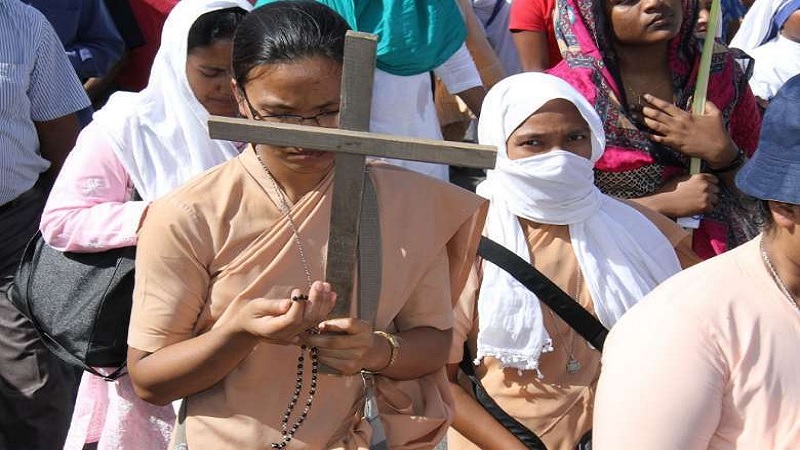
“Will you really protect us from these people who are threatening me and my family because we are Christians?”
“The local ‘dabang’ has come and told me he will break my house if I hold another prayer meeting. They are accusing me of converting the villagers, but we were just praying for everyone…”
These are some of the panicked calls that volunteers attending the United Christan Forum’s toll-free helpline number: 1-800-208-4545 get from Christians across India. The helpline has received over 154 calls related to incidents of violence in 2021, the highest was January when 34 incidents were reported. Another high was in June when 28 such cases were reported. Then there are distress calls where the caller seeks advice on how to deal with threats and intimidation they are subjected to, because they are Chrstians, sometimes new to the faith. Almost all of them are too scared to approach the local police and report the harassment they face at the hands of right wing groups, and even from their neighbours and sometimes extended families who object to them practising Christianity.
“The relief in their voice when they talk to us is palpable. They often do not expect that someone will help them. Some even ask our coordinators to pray with them and give them emotional support,” a senior volunteer told SabrangIndia on condition of anonymity. The volunteers at this helpline are associated with various Christian Non Governmental Organisations (NGOs) and groups, and many are lawyers, and para-legal counsellors.
According to the volunteers, “There are more violent incidents taking place than the actual number reported”. The local strongmen keep an eye out if someone is making a prayer hall next to his home on his plot, they create an issue. If the Christians gather for prayers in the house there is harassment by right-wing groups active in the same village or town. “We know there are many incidents happening in Haryana and Gujarat, but hardly any are reported to us,” said the volunteer, adding that it is an uphill task to get the caller to file police complaints. “We counsel them in distress. We give them emotional and legal support. We tell them their legal rights and the benefits of filing an FIR.” Some victims do give a written complaint to the police, but not all of them get an acknowledgment. Some complain just verbally to the police. However, according to the UCF, complaints on record remain around 30 percent. All other complaints are a mere intimation to the police. The helpline conversations often begin with the caller sharing extreme distress. “Then we advise them to go file a complaint with the police and the importance of the FIR,” said the volunteer.
Do the victims know the process of filing a complaint?
No. Many do not even want to know or lodge a formal complaint even when counselled to do so, they do not want to get into the hassle. Many say they have to live in the same neighbourhood amidst the same people, so are just letting police know what has happened and hope it doesn’t happen again. “I have to work very hard to convince them. Not all of them are convinced. I tell them it is important to complain because it helps prevent attacks on others as these people are likely to go find new victims. I often fail to convince them. Many cite the Bible and tell me their faith teaches them to forgive those who torment them. Others tell me they fear that the people will become more aggressive,” shared the distress helpline coordinator. The callers often say “police may not take action on my complaint, but they [the attackers] will come to know I went to the police. They will then get more violent.” Some are also advised by their relatives or pastor associations not to get involved with the police. So that is what they do. Until the next attack, or acts of harassment are unleashed again.
Then they are forced to make an emergency call to the police. The distress calls to this helpline come from across India, for example, UCF recorded 22 incidents of violence against Christians in the past six months from Chhattisgarh and Jharkhand, and 19 from Uttar Pradesh. Here most of the callers said they were attacked and accused of ‘conversion’ even though they were only holding prayer meetings, often in their own ‘house church’ a room or a shed earmarked for prayers. Those who attend are already believers. There is a pattern that the UCF volunteers have observed in places like Uttar pradesh. “The vandals come when the prayer meeting is on, beat up those praying and take them to the local police station,” said the coordinator adding, “Then it is alleged that the police keep the victims in the station, they reason that the angry crowds have to be calmed down. Sometimes they are charged under section 151 of the CrPc, which is on suspicion of breach of peace. A person cannot be detained for more than 24 hours here but we often are told of cases of illegal detentions which have gone beyond that. We have filed cases on behalf of many such people. The allegations of ‘conversions’ have been on the rise since last year. Since the anti-conversion law came into force.”
Most of the allegations are by local strongmen, neighbours, even some non Christian relatives of the victims and survivors. Most are provoked by ‘others’ who claim to be from right-wing groups. That is how the situation escalates.
Are the local issues involved?
In Jharkhand and Chhattisgarh, tribal Christian families are often told they do not have a right on their own lands after they have converted to Christianity, said the volunteer. These families, often economically deprived, are told they can’t farm their own plots of land, or even harvest the produce they have tended. They are denied access to common drinking water wells. The worst is that they are denied even burials of their deceased family members in the common burial grounds of the community. This is mental harassment, however, “If they don’t agree, physical violence can also take place,” said the UCF member.
Similar patterns are also observed in Maharashtra. In Orissa many who are Christians are often told to leave the village. “There were hardly any calls from Odisha in the past, these have increased in the last six months or so. Their homes are also demolished. Recently our network has been strengthened and cases were obviously happening even before the news reached us,” he said.
In South India, the pattern of harassment is different, here “concerns” are raised over holding prayer meetings in house churches. “For example in Tamil Nadu there is a rule that if more than 50 people gather in your home, you must get permission from the authorities,” said the volunteers. Often it is the neighbours who object to ‘noise’ from the prayer meetings. There are also objections concerning land use and allegations of encroachment. “Often a notice of eviction or demolition is pasted on the house church, when two doors away a temple or even a mosque continue to function. The entire settlement / village is on the same land they say is government land. This is a common trend observed in Tamil Nadu and Telangana also,” said the volunteer.
According to a statement issued by UCF, around 152 incidents of mob attacks/violence were reported against Christians the past six months, 603 women were injured as well as 223 Tribals and 202 Dalits men and women. 18 incidents of damage to places of worship/ churches too were reported. Seven cases were filed under the Freedom of Religion Act so far this year. According to the UCF, “Though such laws in certain states have been in force since 1967 – over 50 years now – but till today, no one, not a single Christian has been convicted for forcing anyone to convert. Moreover, census after census have shown that Christian population remained 2.3 percent of India’s population of 136.64 Crores (2019).”
Are the victims of violence forced to compromise?
A ‘compromise’ or settlement is often what even the local police push for, said the volunteer, rather than registering an FIR. Many complainants agree when the police ‘advise’ them to forget and forgive “this one time” and promise action of the right wing groups to do anything again. “The police say ‘we will look into it’ so people feel assured and do not file a complaint.”
The helpline observed one such compromise even in Delhi, where a Gideons pastor who was reportedly distributing tracks (booklets or pamphlets with biblical teachings) was roughed up and taken to the local police station. “He was allowed to leave after a while, and then did not want to pursue the matter or file a case. Another local pastor made a written complaint but it was too weak a complaint. Some right wing groups had protested outside his place during Easter. The man had felt intimidated. The pattern is that the right wing groups carrying out the harassment often put their photos and videos on social media,” said the UCF team member.
Often the police at first instance also accuse the victims of “conversion”, said the volunteer who works closely with a team of lawyers. “We have asked the police if changing one’s religion is a crime, to which they suddenly change tracks and talk about forced conversion or conversion after luring people with promises of ‘benefits’,” he says. When reminded that they just said conversion, cops cite proof of Baptism. “But how is that forced conversion? Many such conversations happen. There is no proper definition of conversion, but the word is used to scare the victims themselves,” he said adding, “Counter FIRs are also filed. Even the procedure to convert for marriage is so complicated. It is called the Freedom of Religion Act, but its work is the opposite of freedom.”
Other states which are witnessing violence against Christians for their faith according to the helpline records are: Karnataka (17 cases reported), Madhya Pradesh (15), Odisha (12), Maharashtra (9), Tamil Nadu (6), Bihar (6), Andhra Pradesh (4), Uttarakhand (3), Delhi (3), Gujarat (2), Telangana (1), West Bengal (1), Assam (1) and Rajasthan (1). Over 1,137 calls were attended to at UCF helpline, the callers are then helped so that their grievances reach the concerned authorities. According to UCF, the team of lawyers helped obtain release of 84 persons from detention, and 29 places of worship were “reopened or continue to have prayer services”. However, only 18 FIRs could be registered against the violence perpetrators.
How can a victim of right-wing violence even file a complaint
“We do offer that help and information,” said the volunteer. Each call is recorded and shared with the various organisations involved in this helpline. There are legal experts, and the team supports the victims from the first step to filing a complaint to fighting their cases in court. They are assured all help and legal support is for free. The UCF calls are attended by para-legal counsellors who have been trained, they then direct the queries to the lawyers in the team, who will then give the legal advice. Cases are taken up by various lawyers according to the jurisdiction.
The UCF stated that its toll-free helpline number: 1-800-208-4545 was launched on January 19, 2015, “with the aim of upholding fundamental freedom and promotion of values of justice, liberty, equality and fraternity of India.”
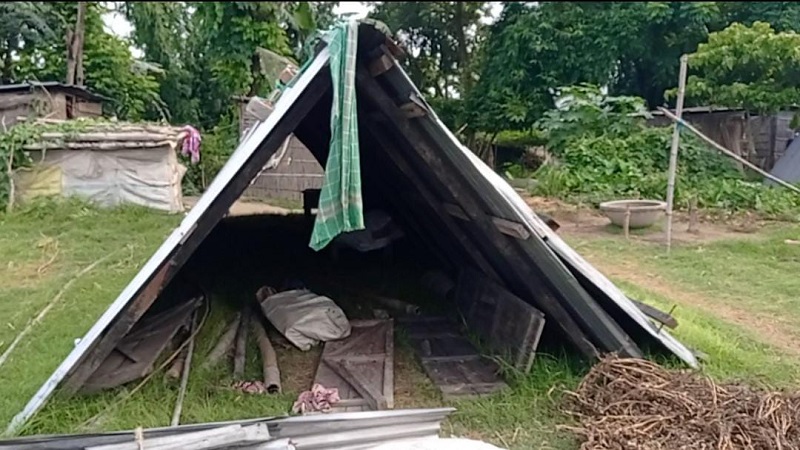
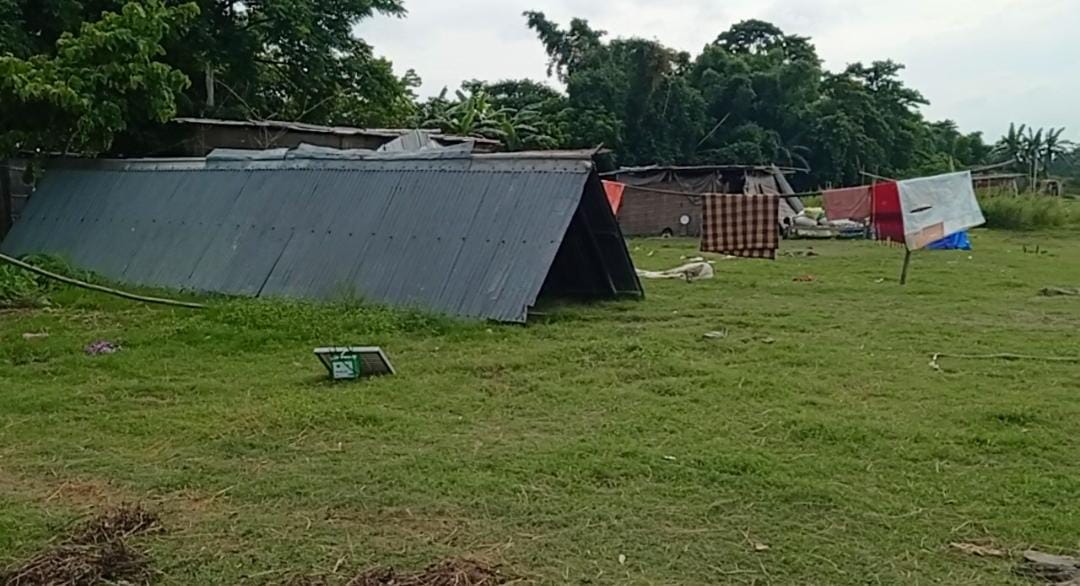
After the Bharatiya Janata Party (BJP) came back to power in the state of Assam, it has gone back to its communally divisive agenda. Several families of people hailing from the minority community were forcibly evicted from their homes in Dhalpur village located in the Shipajhar circle in Darang district.
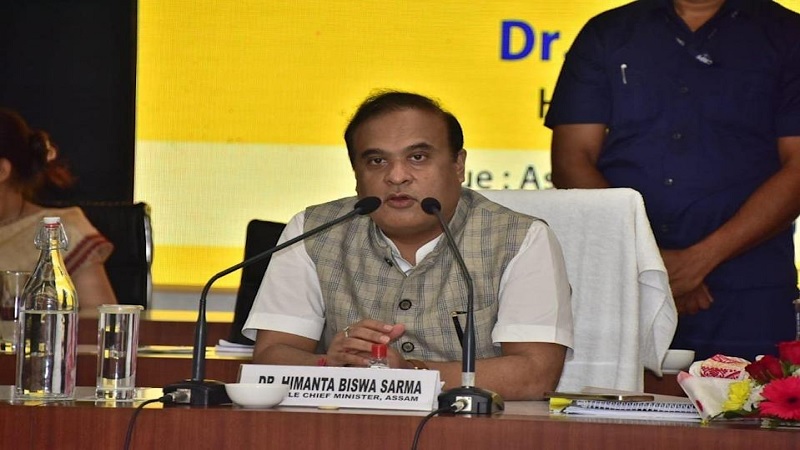
The move comes a month after Himanta Biswa Sarma, the newly elected Chief Minister of Assam visited the Shiva temple in the area. Shortly afterwards he made an announcement to liberate 77 bighas of land there and use it for large scale agriculture and related activities. A committee was formed with the BJP MLA Padma Hazarika as the chairperson to the government to oversee the project. However, nearly 50,000 people live on this land. They are now being evicted.
However, this eviction is hugely problematic for the following key reasons:
It is making people homeless in the middle of the monsoon season, when Assam receives heavy rainfall and flooding is common
It is leaving these homeless people vulnerable amidst a raging Covid-19 pandemic, even though staying at home is the only way to check the spread of the infection.
The evicted families are predominantly from either the minority community or Bengali Hindus. (These groups of people are often seen as illegal infiltrators from Bangladesh in a state with a complicated past when it comes to the subject of citizenship.)
The land is near a temple that has been here for centuries (from the time of Narkasur according to the CM himself), thus adding a “temple politics” angle to the eviction.
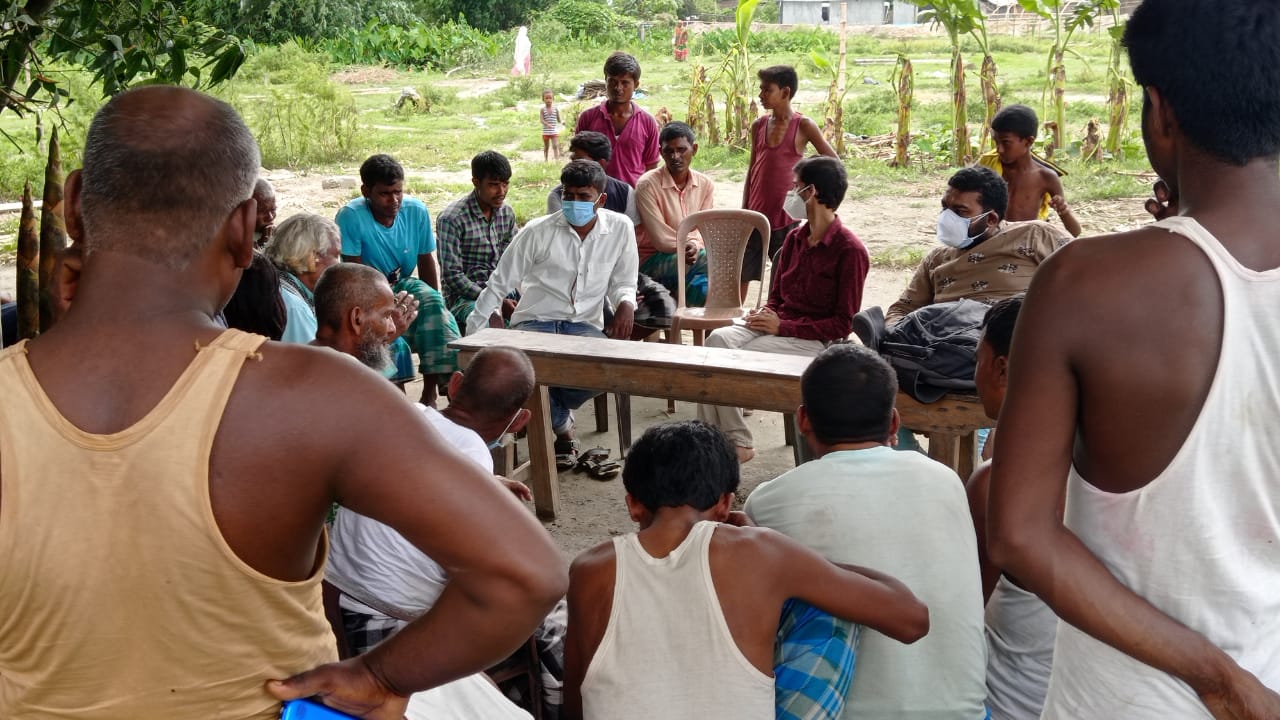
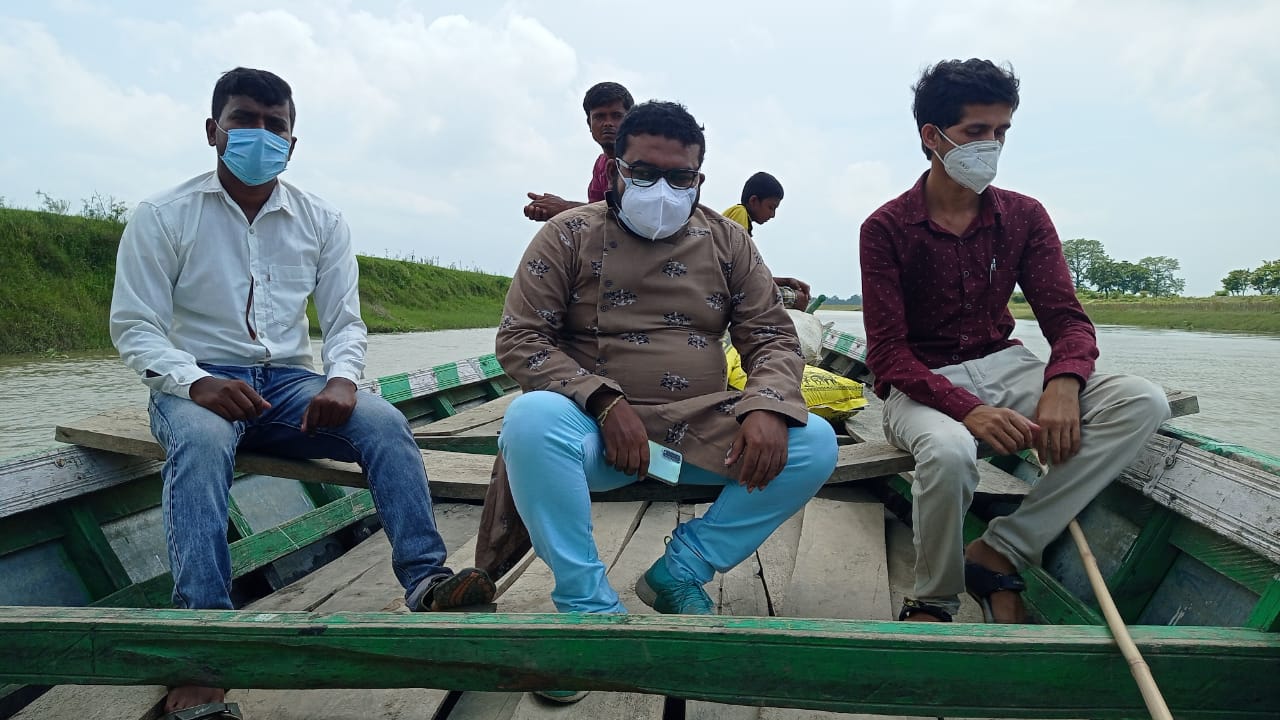
When a team from SabrangIndia’s sister organization Citizens for justice and Peace (CJP) visited the area, we discovered that nearly 50 families had already been evicted. They are all economically weak families with breadwinners engaged in daily wage labour. Some are marginal farmers.
Even the family of a temple priest wasn’t spared. According to the people of the region, after the Assam movement, Muslims as well as three Bengali Hindu families lived together in harmony in the region. One of those three families was the family of Karna Das who founded a small Shiva temple on this hill. He married Parbati and gradually other people also started offering worship at the temple. But later two other Hindu families moved to Kalang in Morigaon District. But temple priest Karna Das and his wife Parvati Das remained in Dhalpur.
Parbati Das told us, “I was married to the priest of this Dhalpur temple when I was just a child. We both used to worship there. My husband died about 20 years ago, but I continued to worship.” Parbati and Karna Das had two sons, the elder of whom works in Guwahati now. But after her husband’s death a young Parbati faced a lot of difficulties and got married again, this time to a Muslim man. Now the temple has two other priests, one of whom joined just three months ago. But it was Parbati who was evicted. “This is the second time I was thrown out of my house. I am homeless now and don’t know what to do.”
Chober Ali, another evicted resident, told CJP, “I was born in 1977 and raised in this village. I have vivid memories from 1983 and know all about how we were ousted during the Assam movement.” He added, “We are distressed because of the eviction. But this isn’t the first time we have been thrown out of our homes. Even earlier during the pandemic, we have been evicted many times, even when a strict lockdown was in place. Now that our homes have been bulldozed, we are forced to live under bamboo and banana trees!”
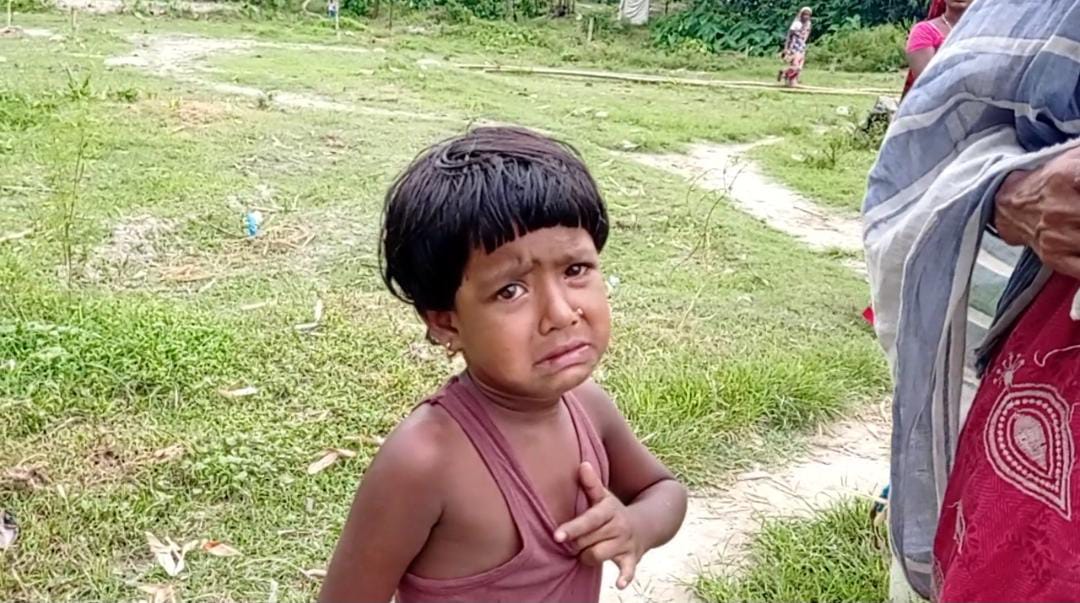
Rabia Khatun, who was also evicted, broke down as she told us, “My daughter-in-law was pregnant when they evicted us. She was forced to deliver a baby in an open field, no doctor, no medicine, not even a home! She delivered amidst extreme suffering.” She prayed to the government to stop this inhuman eviction.
It is noteworthy that none of the evicted families were offered compensation or resettlement opportunities.
But this is certainly not an isolated incident of eviction without compensation. A similar drive was carried out in Kaziranga in 2016, just after the BJP came to power. And just over the course of the last year, even amidst the Covid-19 pandemic and the lockdown, eviction drives have taken place across Assam in the districts of Darang, Nagaon, Sonitpur, Karimganj and other places.
CJP offers hope and help
As a human rights organization, CJP has come forward to help the helpless evicted families. We have delivered rations to 49 of these families, so that even if they are shelter-less, at least they won’t go hungry. We are also helping them preserve whatever documents they can related to their citizenship.
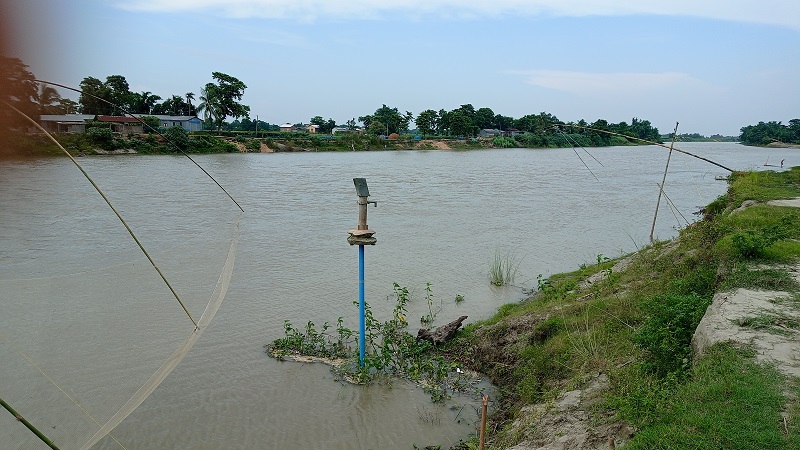
We found a pump in the river next to the evicted area in Dhalapur. This suggests that people have been settled there for a long time. However, heavy rains and floods often force people to move in the char area, a flood prone riverine region in Assam. It is noteworthy that since independence about 4.30 hectares of the total land in Assam i.e. about 8% of the soil of Assam has been eroded away by rivers.
As a result, millions of landless people are scattered in various char areas. Many people also build temporary houses next to the highways during the rainy season. But, these people in the char areas were not even given land leases. They are also deprived of proper education facilities. And though these people came to Dhalpur around 40-42 years ago from Baghbar and Jania constituencies of Barpeta district due to flood and river erosion, a narrative was created to paint them as illegal Bangladeshi infiltrators.
Prominent social worker and writer Arup Baishwa told CJP, “This eviction is inhuman, but is a part of the government’s larger plan. There are plans to develop local real estate business and big business on this land.” He suggested, “The issue of eviction should be raised by human rights organisations. The report should be published after a public hearing with former judges and senior lawyers.”
Interestingly, the Himanta Biswa Sharma cabinet had decided that “Indigenous people living in annual patta or government-occupied lands due to natural calamities will receive housing and other benefits from the government. Natural encroachers and people living on forest land will not be able to avail this facility.” But then there is a whole other complicated debate surrounding the definition of who is to be considered “indigenous”.
Harkumar Goswami, another writer and prominent social worker said, “The government is, in fact, trying to reignite the Bangladeshi theory through this eviction process. They are trying to make a secret plan to do NRC again or reverification.” He added, “At a time when the people of the state are suffering from health and economic problems, the Government’s preoccupation with eviction, ‘divide and rule’ policy and cattle preservation bill is a dangerous signal for democracy.”
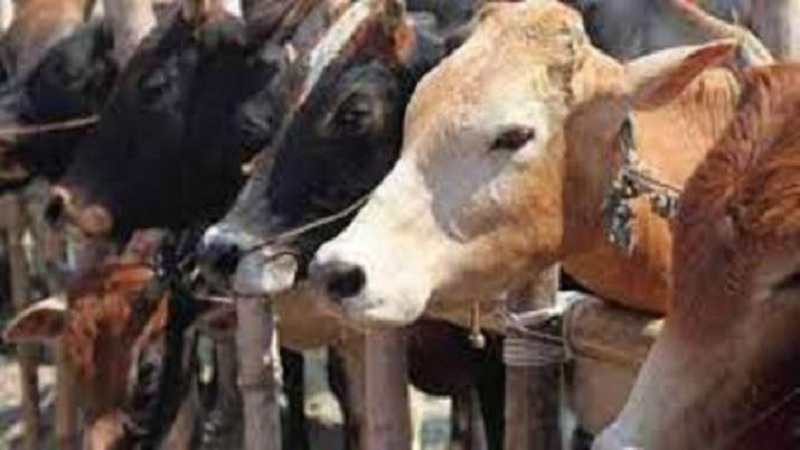
On July 12, the Assam government introduced the Assam Cattle Preservation Bill 2021 to bring in more stringent measures to check the slaughter of cattle in the state. These include greater scrutiny of the process to obtain a “fit for slaughter” certificate by a Veterinary Officer, stricter rules regarding transport of cattle, especially across state lines, and restrictions on the sale and purchase of beef in area inhabited by Hindus and other non-beef eating communities.
After tabling the Bill, Assam Chief Minister Himanta Biswa Sarma tweeted, “Cattle are revered in our society from time immemorial. Respecting our deep-rooted belief system & agricultural necessity, we’ve tabled Assam Cattle Preservation Bill, 2021 in Assembly to regulate slaughter, consumption & transportation of cattle.”
Cattle are revered in our society from time immemorial.
Respecting our deep-rooted belief system & agricultural necessity, we’ve tabled Assam Cattle Preservation Bill, 2021 in Assembly to regulate slaughter, consumption & transportation of cattle. https://t.co/M1RfYmbps7
The introduction of the bill signals the Sarma administration’s commitment to the more traditional agenda of the Bharatiya Janata Party (BJP) pertaining to religion and culture, that always lurks underneath the surface of the broader “development” pitch made to attract votes.
Assam’s previous cattle preservation laws
It is noteworthy that Assam already has existing cow protection laws. The Assam Cattle Preservation Act, 1951 (Later amended to Assam Cattle Preservation (Amendment) Act, 1962) lays down provisions for bulls, bullocks, cows, calves, male and female buffaloes, and buffalo calves. According to the provisions of this law:
“Fit for Slaughter Certificate” is needed from Veterinary Officer till then no person can slaughter the cattle. (Sec 5(1))
Certificate will be issued when the cattle-(Sec 5(2))
over fourteen years of age; or
become permanently incapacitated from work or breeding due to injury, deformity or any incurable disease.
Prohibition of slaughter of cattle in places not prescribed for the purpose as no cattle in respect of which a certificate has been issued under section 5 shall be slaughtered in any place other than a place prescribed in this behalf. (Sec 6)
Power to enter and inspect premises (Sec 7) (a) For the purpose of enforcing the provisions of this Act, the veterinary officer or any person authorized by the veterinary officer in writing in this behalf, shall have power to enter and inspect any premises within the local limits of his jurisdiction where he has reason to believe that an offence under this Act has been or is likely to be committed.
Penalty- Imprisonment up to maximum of 6 months or fine which may extend up toRs 1,000 or (Sec 8)
It states that it is a cognizable (Sec 9)
It protects the persons acting in good faith (Sec 12)
What does the new Bill propose?
Now let us take a closer look at the provisions of the Bill. The new bill’s key proposals can be summarised as follows:
Obtaining “fit for slaughter certificate” from a Veterinary Officer
Such a certificate cannot be given for cows. It also protects heifer or calves under the age of 14 years. Other types of cattle can be slaughtered only if they are over 14 years of age, or have become permanently incapacitated from work, breeding, accidental injury or deformity.
The Veterinary Officer is required to maintain records of reason for refusal to grant permission for slaughter for future reference and inspection by a “prescribes authority” appointed by the state government.
This prescribed authority has been granted wide powers under section 5 of this Bill to “at any time for the purpose of satisfying itself as to the legality or propriety of such certificate or order for refusal or such certificate issued by a Veterinary Officer under this section, call for examination of the record of any case, and may pass orders thereon as it deems fit.”
Cattle for which a certificate has been granted can only be slaughtered at a licensed slaughter house recognised under a Central or State Act.
The state government can exempt certain places of worship or certain occasions for slaughter of cattle (other than cow, heifer or calves) for religious purposes.
Transportation of cattle
A valid permit is required to transfer cattle within Assam as well as across state lines.
Transportation of cattle from outside the state or within the state to a place within the state where cattle slaughter is punishable under the Act is prohibited.
Cattle transportation must be carried in accordance with provisions of Prevention of Cruelty to Animals Act, 1960.
Exceptions are made for transporting cattle for grazing, agriculture, animal husbandry purposes or sale in an animal market.
A permit has to be obtained for transport of cattle for agricultural or animal husbandry purposes
A record of all permit issued and reasons for rejection will be maintained for future reference and inspection by the state government or any officer appointed by it.
A person will be deemed to be transporting cattle for the purpose of slaughter unless contrary is proved to the satisfaction of the concerned authority or officer, by the person who has to show that he has obtained the permit for transportation for agricultural or animal husbandry purposes.
In case of violation of these provisions, the transporter can be detained and his vehicle seized.
Purchase and sale of beef
Purchase or sale of beef is prohibited in areas predominantly inhabited by Hindu, Jian, Sikh or other non-beef eating communities.
Purchase or sale of beef is prohibited within a 5 km radius of a temple, satra or religious institutions belonging to Hindu religion or any other institution or area as may be prescribed by the competent authority.
Punishment for violation of provisions
No person accused of an offense punishable under this Act, if in custody, can be released on bail or on his own bond, unless the Public Prosecutor has been given an opportunity of being heard on the application for such release. Those found guilty can be incarcerated for 3- 8 years, and also fined between Rs 3 lakhs to Rs 5 lakhs. Repeat offenders can expect to be faced with double the penalty.
Problematic elements in the new Bill
This Bill has certain provisions that can be misused to harass people, particularly those hailing from beef-eating communities.
For example, if a person from a beef-eating community lives in an area inhabited predominantly by non-beef eating communities, he will either have to give up beef consumption or ensure sale and purchase are carried out in an area outside the neighbourhood. Bringing home purchased meat could also be difficult given how it will be difficult to prove where it was purchased. A virtual target could be placed on his back, only because of what he eats as neighbours could feel empowered to surveil and complain against such people. Sometimes, such complaints can be made out of sheer vendetta or for gentrification purposes.
Similarly, if a new temple or satra is built in any area, automatically a 5 km radius around it becomes a no-beef zone, thus causing inconvenience to beef-eating residents of the area. This can once again be used as a strategy to push beef-eating communities into ghettos and further marginalise them. This could also be a shot in the arm for cow-vigilantes and lead to communal violence and mob lynching in the name of cow-protection.
Placing the burden of proof that cattle are being transported for agriculture or animal husbandry on the transporter of the cattle also makes them vulnerable to surveillance or even attacks by cow-protection groups.
The Bill also gives wide powers to the police to enter and inspect premises where they suspect any offense under the Act is being committed. This can be used as an intimidation tactic against minorities. Moreover, corrupt officials can easily turn this into an extortion racket.
Imprisonment for 3-8 years appears harsh for such a crime, and a fine of Rs 3-5 lakhs is rather steep. If we take a look at victims of mob-lynching in the name of the cow, most of them were dairy farmers. How can such people be expected to pay such large amounts as fines? Or is this yet another ploy for mass incarceration of such dairy farmers who traditionally hail from certain communities?
Finally, Assam shares its border with Arunachal Pradesh, Meghalaya, Mizoram and Nagaland, states where beef is consumed. If cattle transporters passing through Assam are under constant scrutiny, this could affect beef supply in these neighbouring states and harassment for their residents.
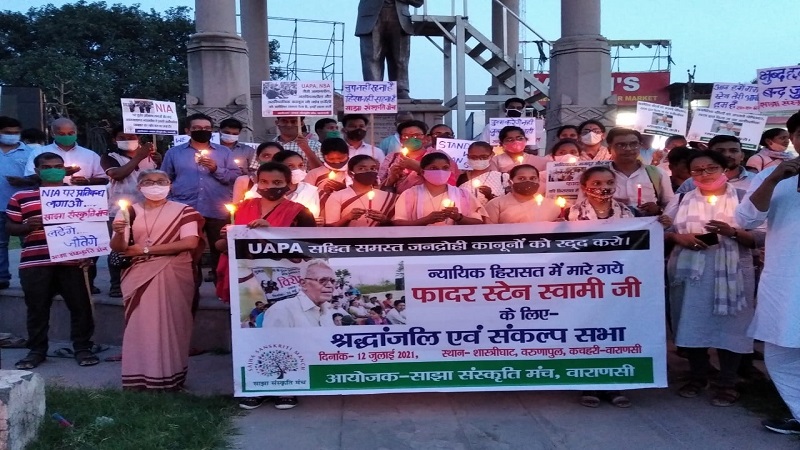
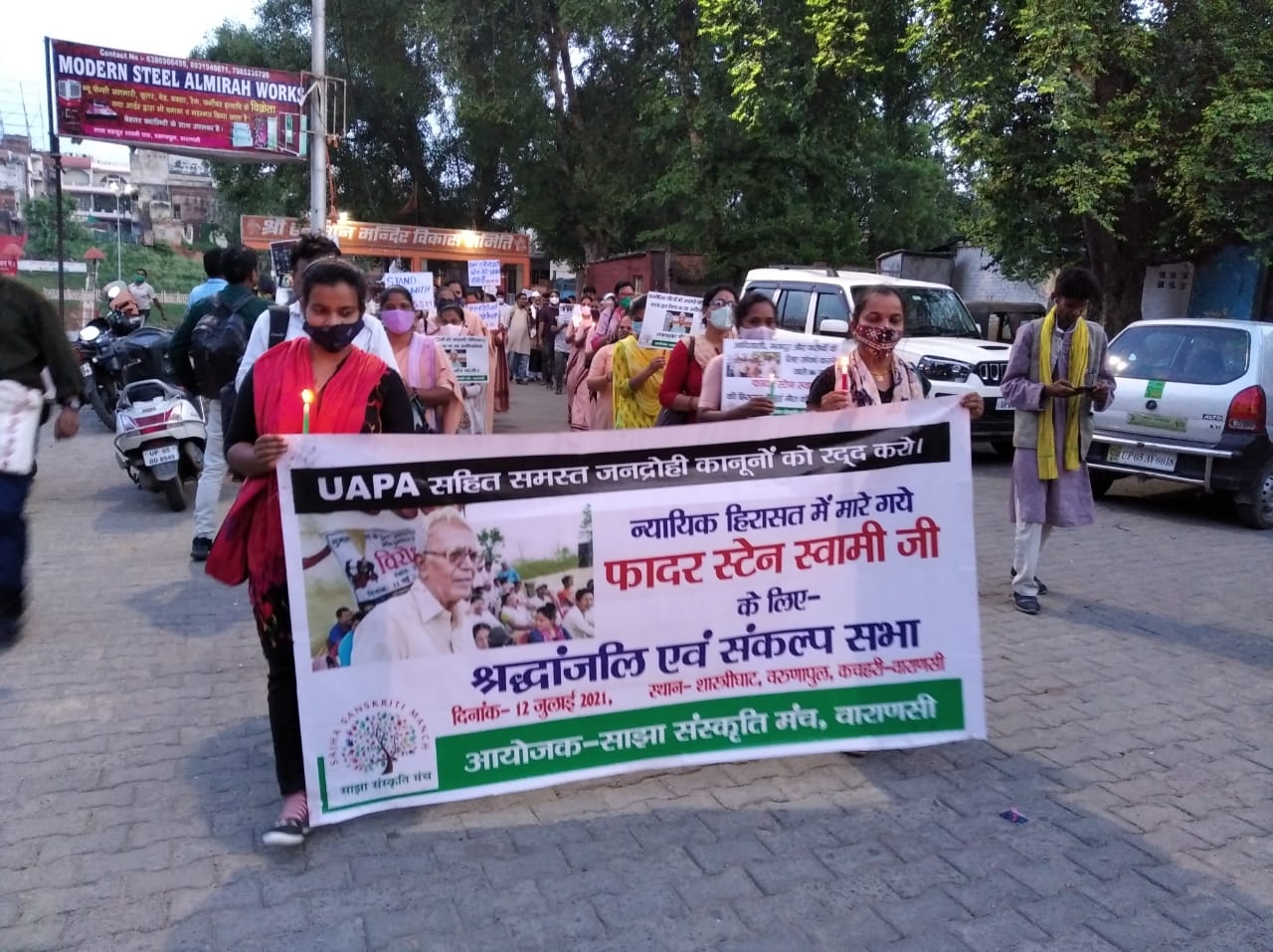
The Samiksha Sanskrit Manch, a Varanasi-based citizens’ group has demanded the release of those arrested under draconian laws.The demand was made during a tribute meeting and candle march organised on July 12, 2021 in memory of Adivasi rights activist and Jesuit priest Fr. Stan Swamy.
Many people attended the tribute meeting held at Shastri Ghat Varunapul and decried the manner in which an aged man with Parkinson’s disease was rejected bail while other hate-spewing people walk free in the country. During the meeting, Jawaharlal Nehru University (JNU) student Shashi Bhushan also paid his respects to the activist by singing the revolutionary song ‘Dastoor’ in front of the group of supporters.
Later, the gathering marched with candles to the Ambedkar Murti Court to demand justice against the custodial death of Fr. Stan. Those present vehemently demanded the elimination of draconian laws like the Unlawful Activities (Prevention) Act (UAPA) and investigating agencies the National Investigation Agency (NIA). They called for the release of political prisoners arrested and penalised under these laws.
Attendees also demanded an inquiry into the death of Fr Stan, who died away from his family on July 5 at Holy Family hospital in Mumbai city. The human rights activist was arrested on October 8, 2020 for alleged involvement in the Bhima-Koregaon case. He was accused of conspiring with Maoists to assassinate Prime Minister Narendra Modi.
After his death, others accused in the case like Sudha Bharadwaj, Surendra Gadling, Anand Teltumbde and others condemned the incident, and observed a hunger strike to demand a judicial inquiry against jail authorities. Like Fr. Stan many of these undertrial prisoners suffer from serious medical conditions that put them at risk, especially amidst the ongoing Covid-19 pandemic.
“Father Stan’s worked in Jharkhand for more than three decades on various issues of tribal communities on land, forest and labor rights. He also raised questions on the non-implementation of the Fifth Schedule of the Constitution wherein a Tribal Advisory Council is to be set up with only tribal community members for their safety, welfare and development,” said Father Prakash Lewis.
Father Stan’s legacy
Fr. Stan had advocated against the arrest of thousands of young tribals and indigenous people, labelled as ‘Naxals’. He had also opposed the idea of land banks and said that the land belonging to tribal communities should be freed and returned to them. During a similar memorial by the Jesuits of India, family members of Fr. Stan spoke of how the activist considered the Adivasi community his real family and brought up discussions about their struggle in everyday conversations.
Much is being made up of the inclusion of Dalit and Other Backward Classes (OBC) members in the newly expanded Cabinet, even more is being read into the inlcudion of leaders from Uttar Pradesh. Put together this newly ‘refreshed’ Cabinet is said to have the possibility of helping the Bharatiya Janata Party (BJP) retain power in Uttar Pradesh, a state considered politically coveted for most mainstream parties due to its sheer size. However, local election season in UP has begun with violence reported from at least 18 districts as the elections for panchayat block chiefs took place on the weekend.
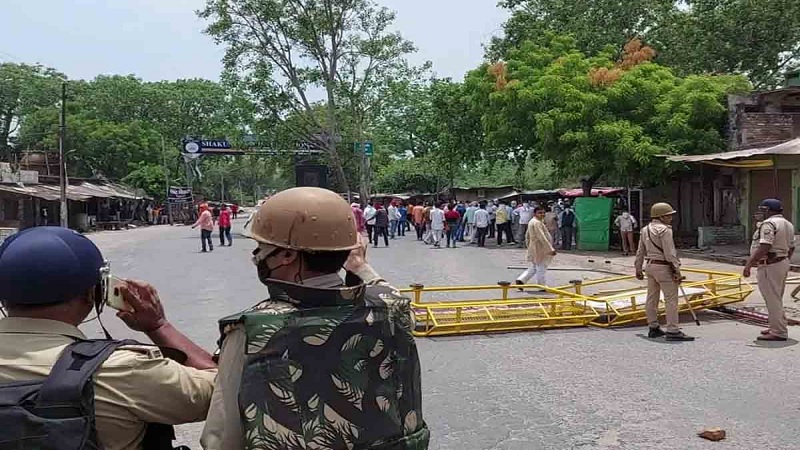
According to Indian Express, in Etawah, seeing stone-pelting and firing at Barhpura block was reported, and the local police are also investigating video where Prashant Kumar Prasad the Etawah ASP (City) is heard saying that BJP leaders “brought bombs” and slapped him. The IE reported that the officer said, “They brought stones. They slapped me too. They brought bombs, BJP people, the MLA and district chief.” Media reports also stated that violence and clashes took place in other areas including Unnao, Hathras, Amethi, Ballia, Siddharth Nagar, Kanpur, Mau, Hamirpur, Amroha, Lucknow, Sultanpur, Muzaffarnagar, Aligarh, Firozabad, Pratapgarh, Kanpur Dehat, Chandauli.
According to IE, in Hathras district’s Sikandra Rao block, supporters of a candidate allegedly engaged in vandalism and rioting. In Bahraich district, two policemen, including a station in-charge, were suspended in connection with the killing of a Block Development Committee (BDC) member Yadurai Devi’s relative on Thursday, “while trying to prevent an alleged attempt by a poll candidate’s husband and supporters to abduct Devi,” an unnamed police officer was quoted by IE. According to the news report, Sudhir Yagyasaini, the main accused in the case, is the husband of Sarita Yagyaseni, who was backed by the BJP for the Shivpur block chief’s post. She won in the elections held on Saturday, getting 70 votes against 50 for her rival, who was backed by the Samajwadi Party. While the BJP is celebrating such wins, there has been an eerie silence on the large number of violent incidents, which seem to be nearly normalised in Uttar Pradesh as Assembly poll related activity begins gaining speed.
What will happen during UP Elections 2022?
One would think that with UP state assembly elections 2022 in view, the incumbent state government too will be on an overdrive to showcase good governance, especially when it comes to law and order, or issues concerned with food and financial security, and those regarding community welfare, especially religious and caste minorities. However, news from UP, especially reported by independent media in just the past week has recorded attacks on minorities, Dalits, Bahujans and other citizens on a regular basis. Most attacks are by vigilante groups, who have appointed themselves custodians of the so called upper castes, and as worryingly an assault by a senior bureaucrat was even recorded on video.
It is yet to be seen if the Uttar Pradesh government has, apart from following the process in some cases, done anything to prevent some attacks. In just the past week UP’s hall of shame has recorded the following cases of violence.
Violence during block elections, women alleged molestation
Two women workers of the Samajwadi Party (SP) have alleged that they were molested when the nomination process for the block elections were underway. These local elections have been marked with violence, of various degrees. After these serious allegations, Indian Express reported that the Uttar Pradesh Police “suspended six of its men, including a Circle Officer and an SHO”. The molestation was alleged by the proposer of an SP candidate in Lakhimpur Kheri district. She accused BJP workers of pushing her around and molesting her; the video clips were still viral over the weekend. According to news reports, District SP president Ram Pal Yadav also alleged that after misbehaving with the woman, “BJP workers had entered the block office and removed the clothes of the SP candidate.”
Dalit man tied to tree, thrashed, assuatled on genitals
One person was arrested for mercilessly beating a 20-year-old Dalit man, even though the viral video shows that there are many more involved in the crime, inlcuding those who merely stood and watched as the victim was beaten with sticks. The crime was reported from the Akbarpur area in Uttar Pradesh’s Kanpur Dehat district. The attack seems to have been filmed by multiple people. The victim was asked to identify his caste even as he was being beaten, and once he revealed that he was a Dalit, the attack grew even more vicious. The victim was assaulted in the genitals with a wooden pole and continued to be battered to an inch of his life.
This is new india you can’t imagine such video is not less than any movie scene. this painful matter is happening in Uttarpradesh. #DalitLivesMatterpic.twitter.com/ABuriwRchf
According to NDTV, Ghanshyam Chaurasiya, additional SP, Kanpur Dehat claimed, “As soon as we got to know about the video, a police case was filed in the matter. A person identified in the viral video has been arrested. Two more people can be seen beating the Dalit youth. We are trying to find out their details and teams have been formed to arrest them.” However, the question remains: why was the beating not even reported when it took place?
IAS officer Divyanshu Patel assaults journalist
In May, when he was posed as a sub-divisional magistrate in Barabanki, Patel had ordered that the 100 year old mosque be demolished in Barabanki. On May 17, following the orders of the SDM’s court, the Ram Sanehi Ghat mosque was demolished, and it was reported that the “debris was then thrown into a river” hence leaving no or little ‘evidence’ of the destruction. This destruction, had a long lasting negative impact on the locals, and the Muslim connunity at large. The Uttar Pradesh Sunni Central Waqf Board called the administration’s action illegal. According to The Print, as the communal tensions prevailed in the area Patel was transferred to Unnao as the chief development officer (CDO). However, even here Patel seems to have continued his ways. This time, he was caught on camera attacking a video journalist in Unnao, chasing him, he also reportedly smashed the reporter’s mobile phone during the block panchayat polls, which have been marked by unprecedented violence. When Patel takes a pause, a local man takes over the assault on the video journalist. Some reports stated that two journalists were attacked.
ये कोई गुंडा नहीं।उन्नाव के IAS सीडीओ हैं,जो एक टी वी पत्रकार को दौड़ा-दौड़ा कर पीट रहे हैं।उसका क़ुसूर सिर्फ यह था कि सीडीओ की आंख के सामने हो रही बीडीसी मेंबर्स की धर-पकड़ उसने शूट कर ली थी। pic.twitter.com/mb6suKa98w
According to news reports, the Unnao Police registered a First Information Report (FIR) against “unnamed persons” based on a complaint made by the victims. However, as shared on social media the FIR doesn’t name Divyanshu Patel, a 2017-batch IAS officer, who was seen assaulting the journalist in the viral videos. He of course ‘clarified’ his actions and said he could not recognise Krishna Tiwari and erroneously assaulted him while ‘discharging his administrative duties’. Tiwari too has said on video that he was ‘satisfied’ with the officers explanation on the ‘unintentional’ assault. However, there is no explanation offered on why the officer had to attack any citizen in this manner, or who the other man who also attacked the journalist was.
Unnao police registers an FIR on the complaint of 2 journalists against unnamed persons in the #UnnaoBrawl case
One can’t find the name of CDO #DivyanshuPatel who was clearly visible assaulting the journalist in the video which is doing rounds in the social media. pic.twitter.com/Bmjdu1HzfM
Dalit falimy attacked, hut set ablaze in Chandauli
On July 8 at the Bharthara village, which is reportedly just 5 km from the district headquarters of Chandauli district, a Dalit family was attacked and their hut set ablaze. The attack, reportedly by upper caste men, was over a land dispute. According to Indian Express, four men were were arrested on Saturday for attackin the Dalit family and setting their hut on fire. Even though the incident occurred on Thursday afternoon, it was only after a video of the incident went viral on social media, that the FIR was registered. The complainant Vejanti Devi told the police that the upper caste men thrashed her family members and then set their hut on fire, said Additional Superintendent of Police, Chandauli, Dayaram. According to a local news report, around 18 Dalit families live in the village, which is reportedly dominated by members of the Thakur community. The Dalits claim that “upper caste” men have always misbehaved with them, however fear keeps the victims from approaching the police, and after short lived ‘compromise’ the cycle of victimisation continues.
62-year-old man beaten in Noida
Attacks on Muslims, Dalits, and women are not limited to far away villages where mainstream media does not reach. Another attack, this time on a 62-year-old man, identified as Kaazim Ahmad, was reported from Noida in the National Capital Region (NCR). Ahmad, told the media that it was his visible Muslim identity that made him an easy target for the attackers who beat him mercilessly on July 4. According to Maktoob Media, Ahmad was on his way to Aligarh to attend a relative’s wedding when he was attacked and communally abused at Noida. He recalled his ordeal saying, “While I was waiting at Noida Sector-37 to get a bus for Aligarh, some people standing at a distance in a white car called me towards them. When I went there they dragged me inside the car, rolled up the windows and started beating me before I could ask or say anything.” He added, “They slipped off my pyjamas, attacked me with a screwdriver on the nose, took away all my money, belongings and spectacles. They pulled my beard and tried to strangle my neck with their towel.”
A police complaint has been filed by Kazim at the Noida Sector 37 police station, but the family wants to stay away from the media spotlight as they fear repercussions, especially in a state where religious and caste identities decide how much a citizen will be victimised.
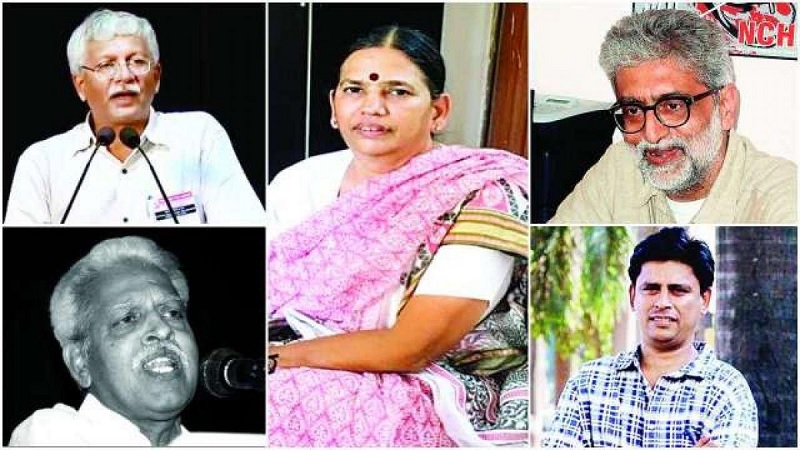
Citizens for Justice and Peace (CJP) has once again written to Maharashtra Chief Minister Uddhav Thackeray, urging him to consider releasing the remaining accused in the Bhima Koregaon case on interim bail to the high-power committee. There are still 14 people languishing in jail after Fr. Stan Swamy passed away and Varavara Rao was released on medical grounds.
CJP had previously written to the Chief Minister as well as the Home Minister, Dilip Walse Patil on May 17, mentioning the deteriorating health of Father Stan Swamy, Sudha Bharadwaj, Professor Hany Babu, Surendra Gadling and Mahesh Raut, and the need to immediately release them on temporary bail.
Father Stan breathed his last on July 5 in the afternoon, just moments before his medical bail hearing before the Bombay High Court. CJP, in its letter petition has expressed its profound grief over the death of the 84-year-old tribal activist, and mentioned that his condition severely worsened after May 15, when the Court was first apprised of his deteriorating condition and his having contracted the dreaded Covid-19 Virus. “Yet from then until the Court pro-actively intervened the Jail Authorities (and NIA officers) kept obfuscating on the clear state of his health. It is more than likely that if good care had reached him in time, he would not have lost his life this way,” we have said in our letter.
CJP’s letter shares how the health of lawyer and trade unionist Sudha Bharadwaj, who has been lodged in Byculla Jail since August 28, 2018, is deteriorating with each passing day. She suffers from pulmonary tuberculosis, diabetes, hypertension and rheumatoid arthritis. Her teeth are in such a state she can barely manage to eat, she has lost hair, weight and last year a report showed that she is eczemic. Professor Shoma Sen, who has also been in jail since 2018, has serious health issues given her age. Dr. Anand Teltumbde, whose bail plea was rejected by the NIA court today, on July 12, is asthmatic. Gautam Navlakha, senior writer is also ill with co-morbidities as is Senior Advocate Surendra Gadling.
We have also stated that in early June, 2021, three more accused in the case, Mahesh Raut, Sagar Gorkhe and Ramesh Gaichor tested positive in Taloja Central Prison after an RT-PCR test drive was conducted for the inmates. “According to some reports, none of them have been immunised against coronavirus and according to a press conference held on May 15, 2021, CJP learnt that Mr. Mahesh Raut had been suffering from cold, fever, cough, and weakness for more than a week,” we have said in our letter.
The letter to Chief Minister Thackeray, also brings to his attention international condemnation over Father Stan’s death. On July 6, 2021, the Office of the High Commissioner of Human Rights, United Nations issued a press release where they expressed how “deeply saddened and disturbed” they were. Their statement reads, “High Commissioner Michelle Bachelet and the UN’s independent experts have repeatedly raised the cases of Father Stan and 15 other human rights defenders associated with the same events with the Government of India over the past three years and urged their release from pre-trial detention.” In light of the continued, severe impact of the Covid-19 pandemic, the United Nations has appealed to all States, including India, to release every person detained without a sufficient legal basis, including those detained simply for expressing critical or dissenting views.
CJP’s appeal also refers to the ongoing pending case before the Bombay High Court (Rama Anand Teltumbde and Ors vs State of Maharashtra and Ors Crl. W.P No. 2327 of 2021), where the High Court has issued a notice to the Maharashtra Government, the National Investigation Agency (NIA), and the jail superintendent on a petition filed by Rama Anand Teltumbde (wife of accused Anand Teltumbde) and Susan Abraham Gonsalves (wife of accused Vernon Gonsalves) seeking a direction from the court to the Superintendent of Taloja Prison to allow letter communication between the petitioners and their respective jailed husbands. CJP has stated that the pandemic has disrupted usual communication channels between the jailed undertrials and their families.
In the interest of justice, CJP has finally urged the Chief Minister to intervene in the matter before another undertrial’s health deteriorates. It says, “As Dr. Varavara Rao was released from jail on medical grounds and also that 200 witnesses are required to be examined, it is unfair on these undertrials to languish in jail for such a long period of time. Taloja Prison as of now houses around 3,500 prisoners as opposed to its capacity of 2,124 inmates, with a 133 percent occupancy rate. It is also important to note that some prisoners test negative for Covid, but end up testing positive when tested outside of prisoners.”
On July 10, the government of Assam announced the creation of a new department to address the concerns of the state’s indigenous communities. Chief Minister Himanta Biswa Sarma announced the formation of the Department of Indigenous Faith and Culture and told media persons, “We have a lot of tribes like Rabha, Boro, Mising, Moran and Matak. They have their own faith, customs, rituals and culture. This rich heritage needs to be preserved and promoted. This independent department will do that, not build roads and houses, for which we have the Department for Welfare of Plain Tribes and Backward Classes (DWPTBC).”
Now, what is interesting here is that he mentions two specific communities here: Moran and Matak. These two are part of six indigenous communities in Assam demanding a Scheduled Tribe (ST) status. The other four are Tai Ahom, Koch Rajbongshi, Chutia and Tea Tribes. It is noteworthy that the BJP government had promised to grant them Scheduled Tribes (ST) status in not one, but two successive state assembly election manifestos. But it has failed to walk the talk. The grant of ST status allows members certain social benefits such as reservations and exemptions, which these six communities do not enjoy at present.
The ST Conundrum
In the run up to the assembly elections in Assam this year, SabrangIndia had reported how in March, Adivasi groups led by All Adivasi Students’ Association of Assam (AASAA) had questioned the BJP as to why it had failed to grant ST status to tea tribes.
If we step back a bit, even in September last year, instead of granting these communities ST status, the Assam State Assembly passed three bills to create autonomous councils for Moran, Matak, and Koch-Rajbongshis. In fact, the controversy grew when other indigenous groups demanded that ST status not be granted to these six communities.
The Indigenous Lawyers’ Association of India (ILAI) approached the Assam government saying granting of ST status to these six communities, who they do not consider tribal communities would destroy the concept of what is a tribal community. ILAI president Dilip Kanti Chakma was quoted by The Hindu as saying, “There are communities among the six who have never been considered as tribes by any government or anthropological study and they do not possess any characteristics that tribal people do. Hence, the Assam government’s proposed inclusion of some socio-economically advanced and populous communities in the list of STs is mala fide and it shall eliminate the very concept of ‘tribals’ in India.”
The ILAI had further claimed that including these communities in the list of the STs would be a violation of Article 19 of the United Nations Declaration on Rights of Indigenous Peoples to which India is a signatory. As per the UN Declaration, prior and informed consent of indigenous people has to be sought before implementing any decision or legislative measure related to them. ILAI also said that this would impact political representation from Gram Sabha to the Lok Sabha of the existing STs of Assam.
Now, it appears that the Himanta Biswa Sarma government has found a way to bypass the ST demand and yet come across as addressing the needs of these communities. Meanwhile, Tai-Ahom, Moran, Matak and Chutia people have also been declared protected groups in the Sadiya tribal belt of Upper Assam. At present there are 17 tribal belts and 30 blocks spread across Tinsukia, Sonitpur, Nagaon, Morigaon, Lakhimpur, Kamrup, Kamrup (metro), Goalpara, Dhemaji, Darrang, Bongaigaon and the four Bodoland Territorial Region (BTR) districts in Assam.
But all these measures still keep these communities out of the purview of ST status. And given how the new department will only look at preserving and promoting culture and heritage, what happens to the demand for social benefits and entitlements? Is the newly floated Department of Indigenous Faith and Culture just an eyewash?
Gorkhas, a protected group
Meanwhile, Sarma is also attempting to placate Gorkhas in his state. At present nearly 25 lakh Gorkhas call Assam their home. But the measures to address their concerns appear to be woefully inadequate.
On July 8, 2021, Education and welfare of plain tribes and backward classes (non-BTC) minister Ranoj Pegu announced the state government’s decision to declare Gorkhas living in tribal belts such as the Bodoland Territorial Region (BTR) a protected class. He told The Telegraph, “Under the provisions of chapter X of Assam Land and Revenue Regulation, 1886, the cabinet has approved to include Gorkhas as a protected class in the tribal belts and blocks in the districts of Kokrajhar, Chirang, Baksa and Udalguri who are residing there before 2003, that is, when the districts came under the Sixth Schedule of the Constitution.” Gorkhas have also been declared a protected group in the Sadiya tribal belt of Upper Assam.
Now, the move is commendable to the extent that it makes it possible for the nearly 1.65 lakh Gorkhas living in the BTR to buy, sell and transfer land. But the benefits are only applicable across the four districts that comprise BTR.
It is noteworthy that nearly 85,000 Gorkhas had been excluded from the final National Register of Citizens (NRC) published in Assam on August 31, 2019.
SabrangIndia had previously reported how in September, 2019, the Bharatiya Gorkha Parisangha (BGP) that claims to represent over 10.5 million members of the Gorkha community across 22 Indian states, announced that they have decided to boycott the process laid down for people left out of the final National Register of Citizens (NRC).
The organisation’s president Sukhman Moktan explained, “The NRC guidelines say the Gorkhas whose citizenship has been challenged need to go to the Foreigners’ Tribunals despite a notification of exemption by the Ministry of Home Affairs (MHA). This is an attempt of a few vested interests within the system to disrespect Indian Gorkhas who are actually original inhabitants as is proved by our historically and mythologically recorded presence since centuries.” He added, “The Gorkhas of Assam will not go to the Foreigners’ Tribunals to prove their citizenship, as being tried in such tribunals is an insult to their identity as Indians. We can file defamation cases against the system of challenging the citizenship of gorkhas and Nepali-speaking people.”
When the final draft of the NRC was published on July 30, 2018, over 1 lakh Gorkhas were left out. The number came down slightly in the final NRC published on August 31, 2019 when approximately 85,000 Gurkhas were excluded. The BGP estimates that out of the 25 lakh Gorkhas residing in Assam over 22,000 people have also been arbitrarily marked D Voter, thus disenfranchising them.
Gorkhas are Nepali speaking Indians. There is great diversity even within the community and each sub-group has its own language from either the Tibeto-Burman or Indo-Aryan language families. The Gorkha community is known for their valour and excellence in the battlefield, traits that led to the creation of the Gorkha Regiment by the British back in 1815. The regiment later became a part of the army of independent India and today there are 39 battalions serving under 7 Gorkha regiments in the Indian Army.
In March 2021, when Congress leader Gaurav Gogoi from Assam, asked the Minister of Home Affairs whether the Government is aware of the exclusion of Gorkhas from the NRC, the MHA used its characteristic flair in using bureaucratic non-responses to say, “Separate list of exclusion of Gorkhas has not been published.” It also said, “Any person not satisfied with the outcome of the decisions of claims and objections leading to publication of final NRC may prefer an appeal before the Foreigners Tribunal constituted under the Foreigners (Tribunal) Order, 1964 within a period of one hundred and twenty days from the date of such order. On the disposal of appeal by the tribunals the names shall be included or deleted, as the case may be, in the NRC.” Another non-answer.


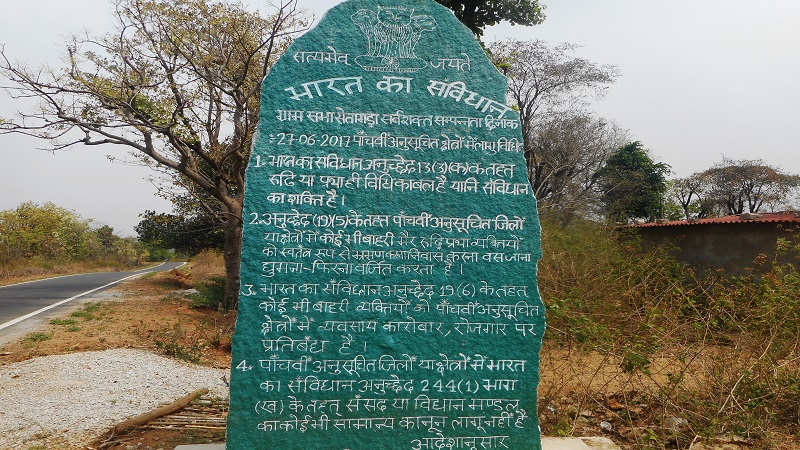 Photo by Deepanwita Gita Niyogi
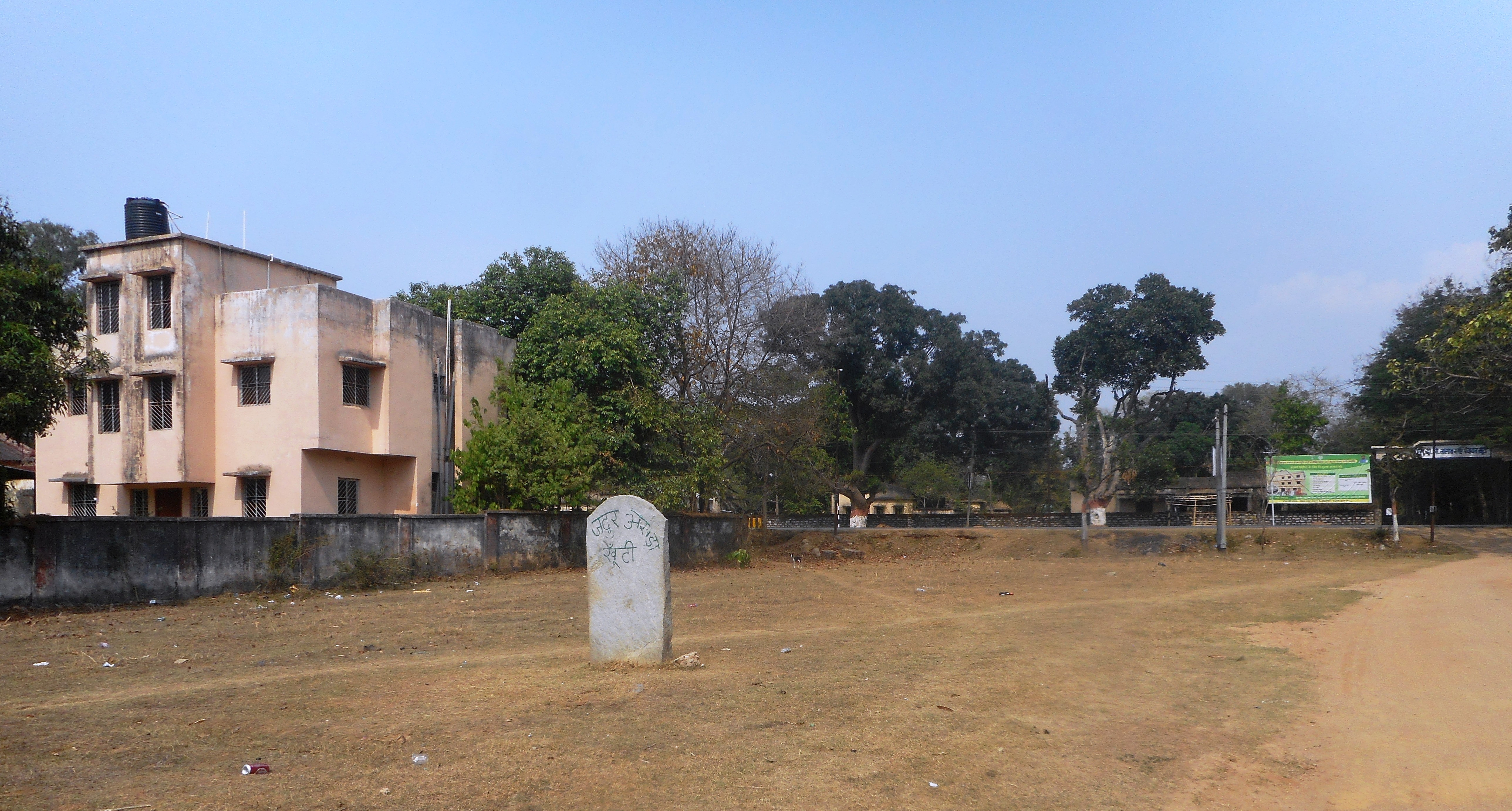 Photo by Deepanwita Gita Niyogi
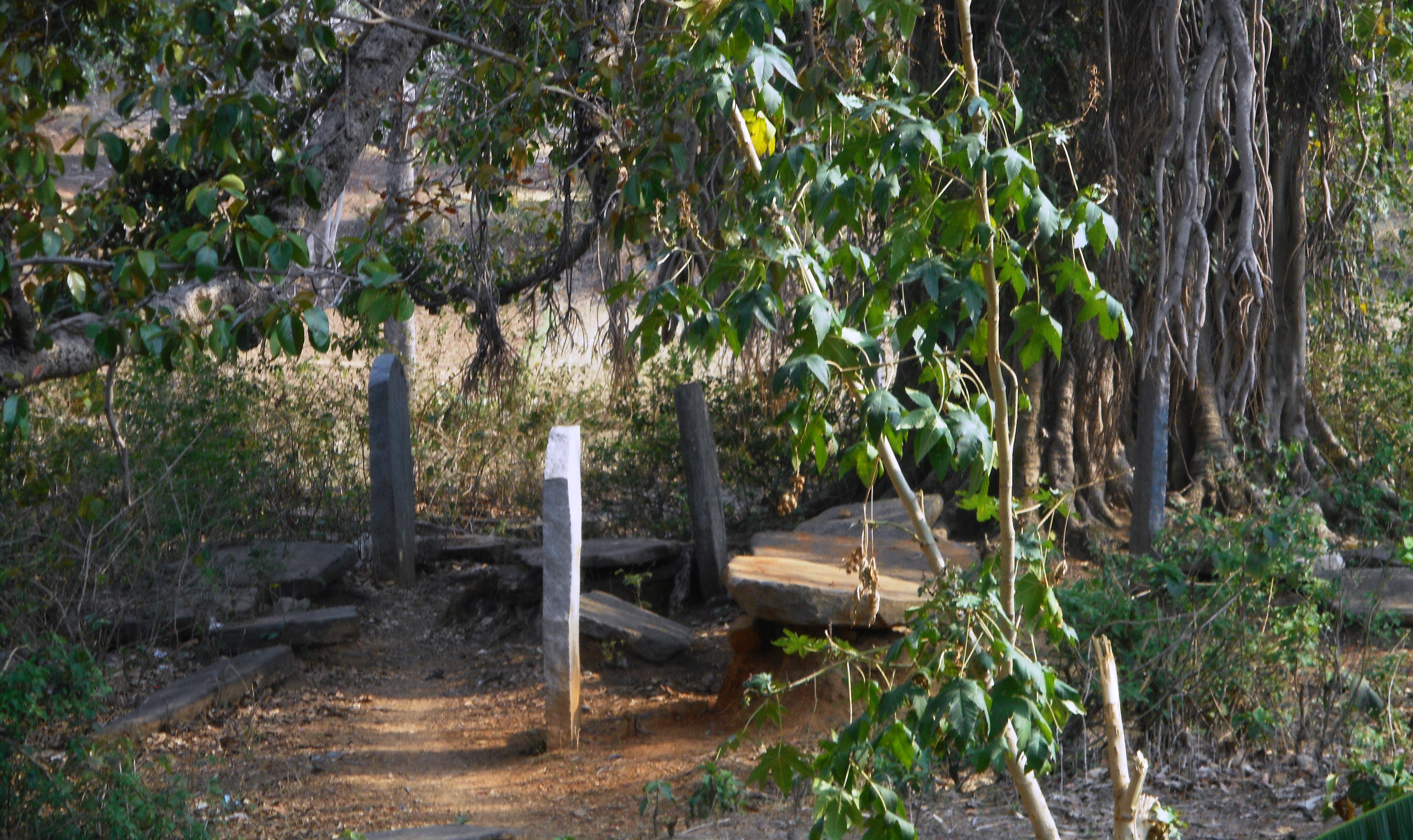 Photo by Deepanwita Gita Niyogi
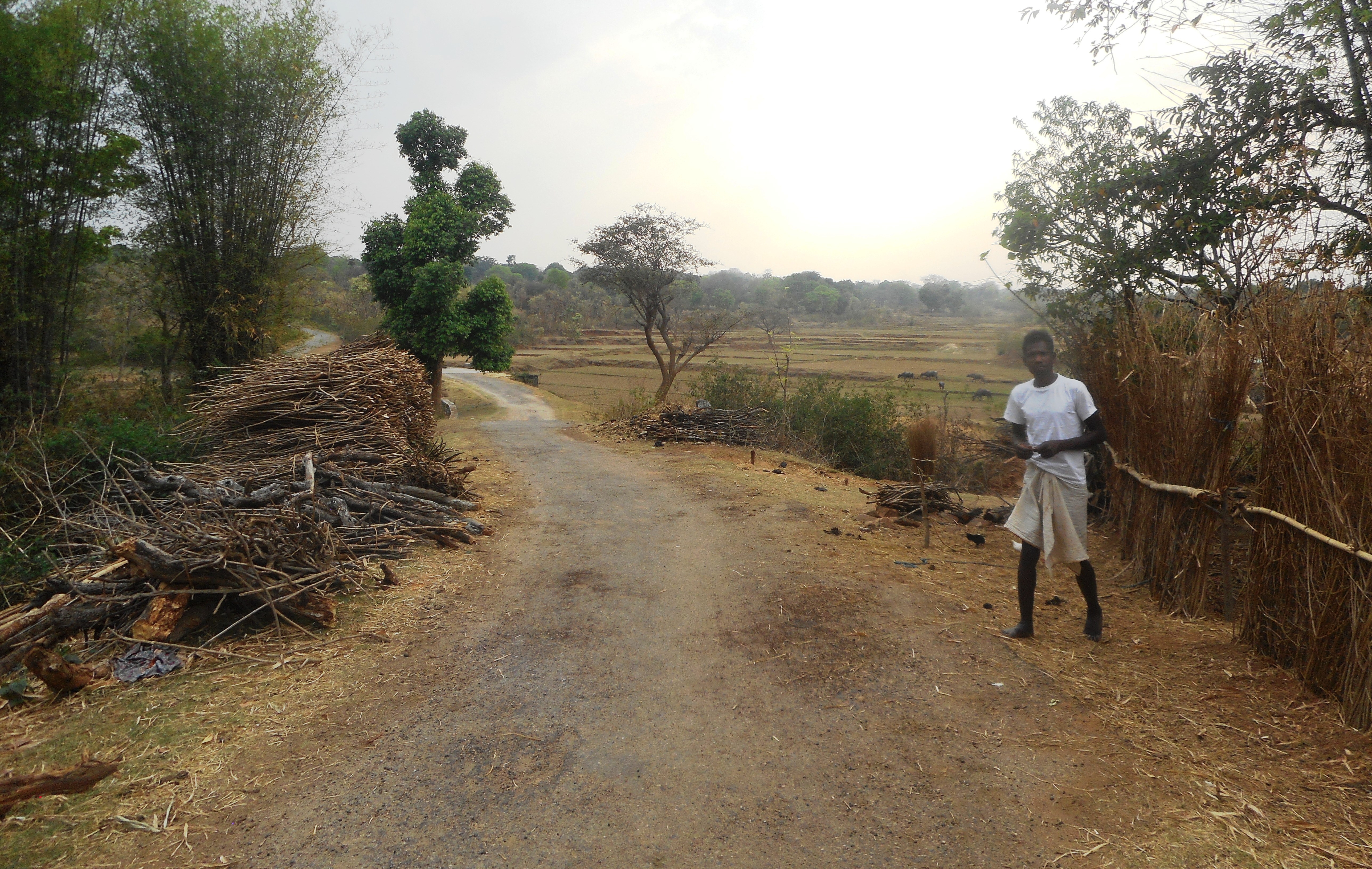 Photo by Deepanwita Gita Niyogi
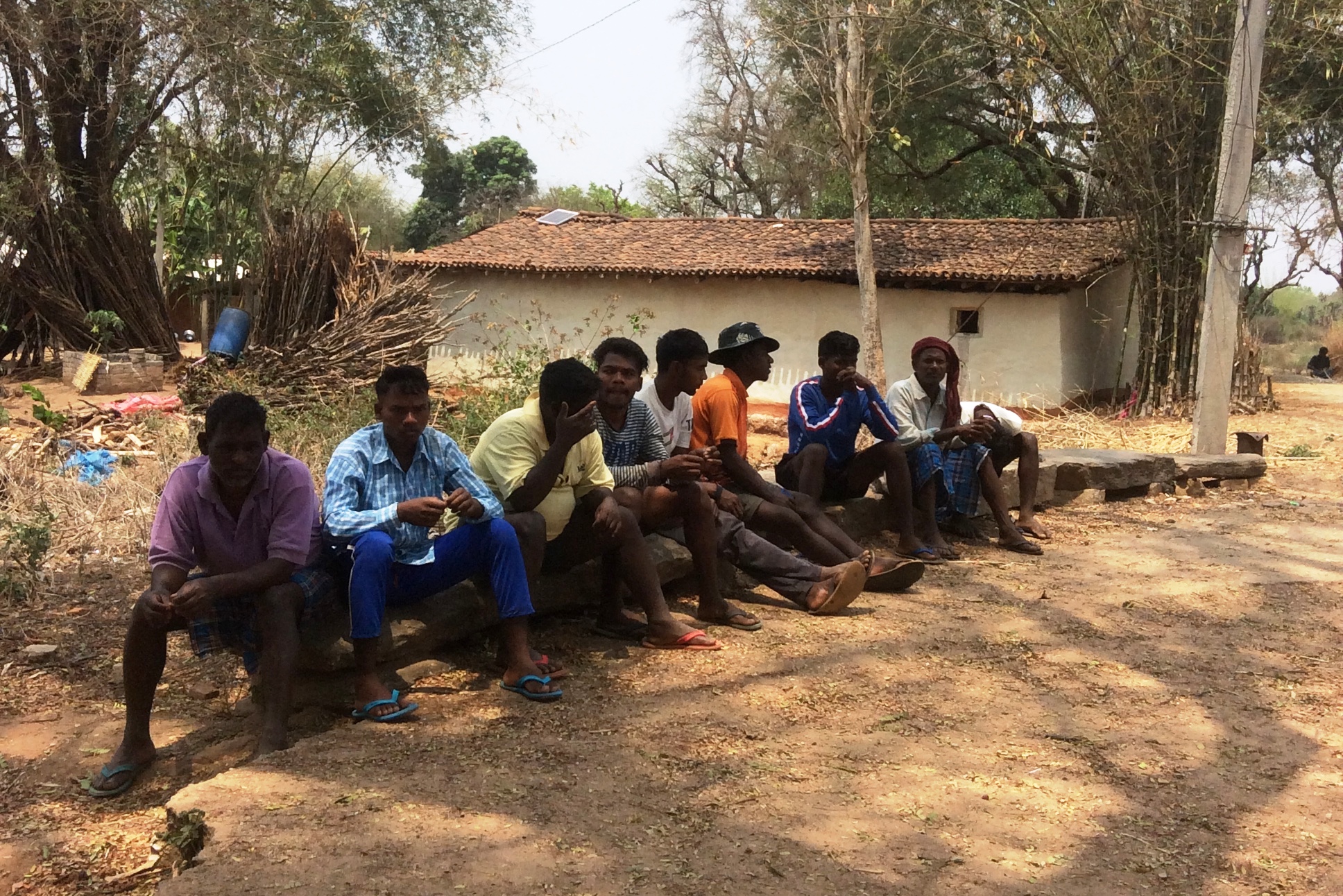 Photo by Deepanwita Gita Niyogi
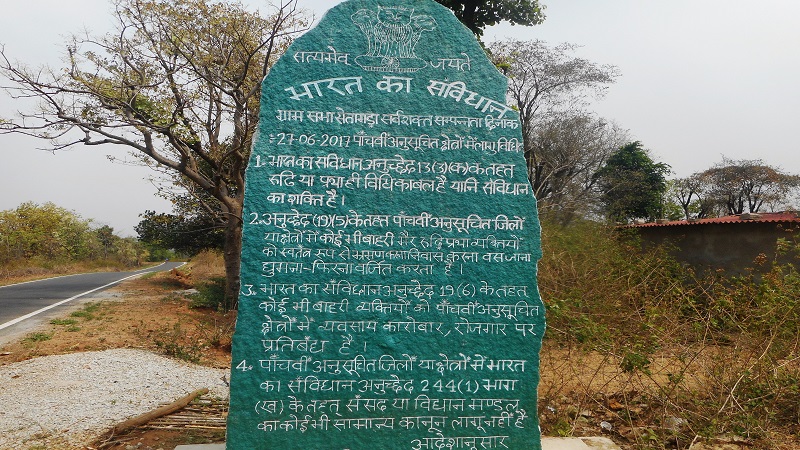 Photo by Deepanwita Gita Niyogi
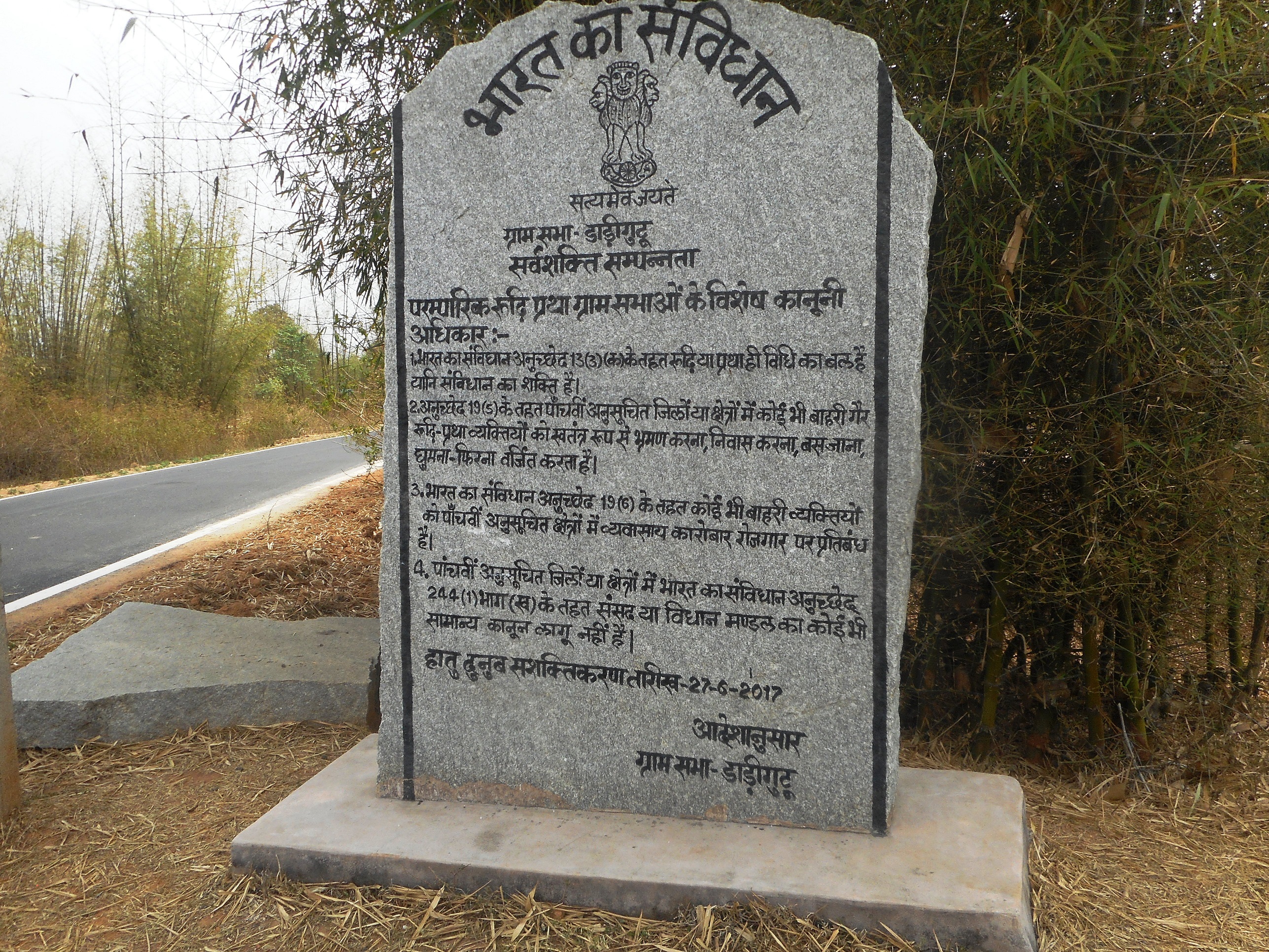 Photo by Deepanwita Gita Niyogi
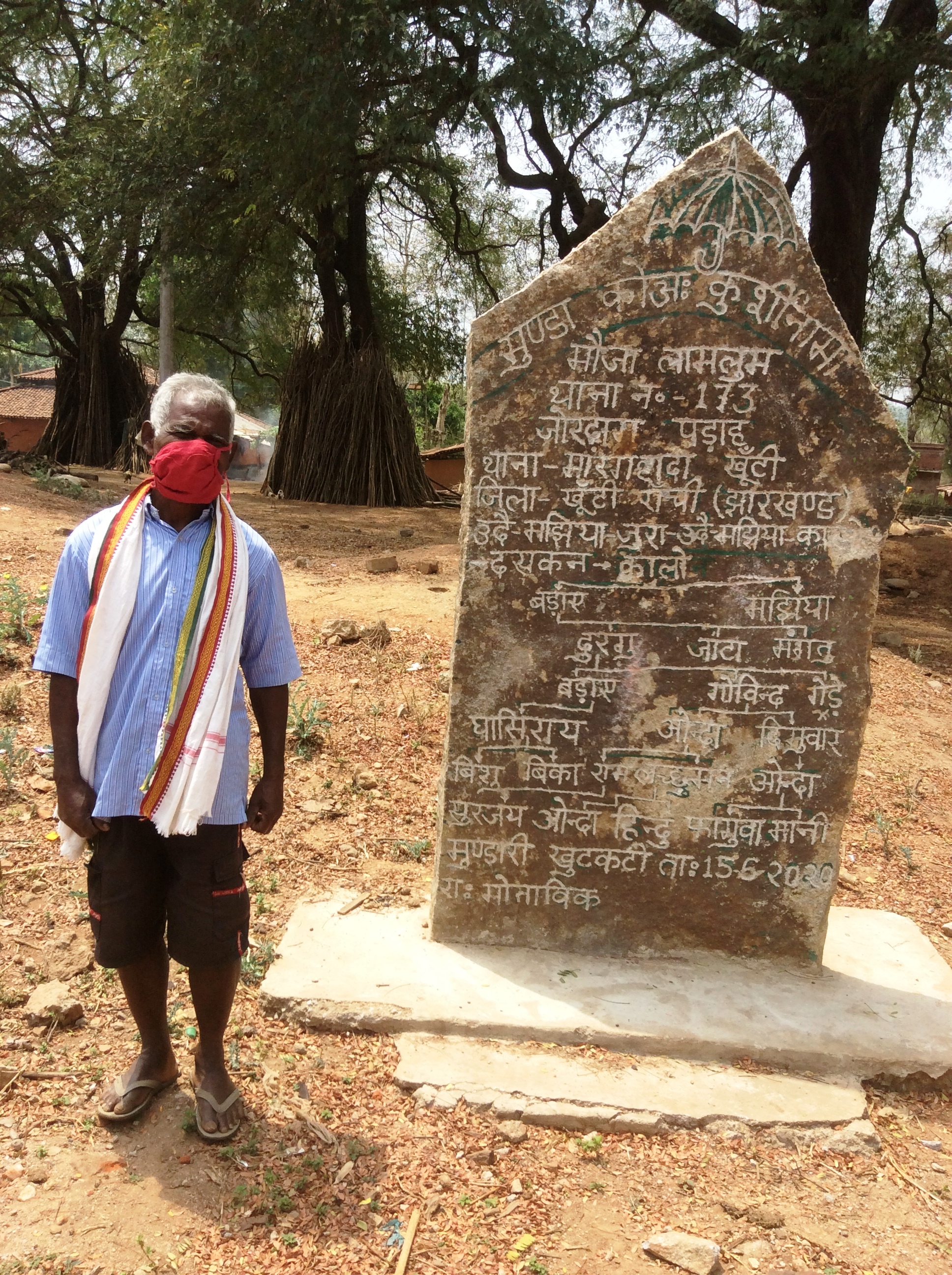 Photo by Deepanwita Gita Niyogi
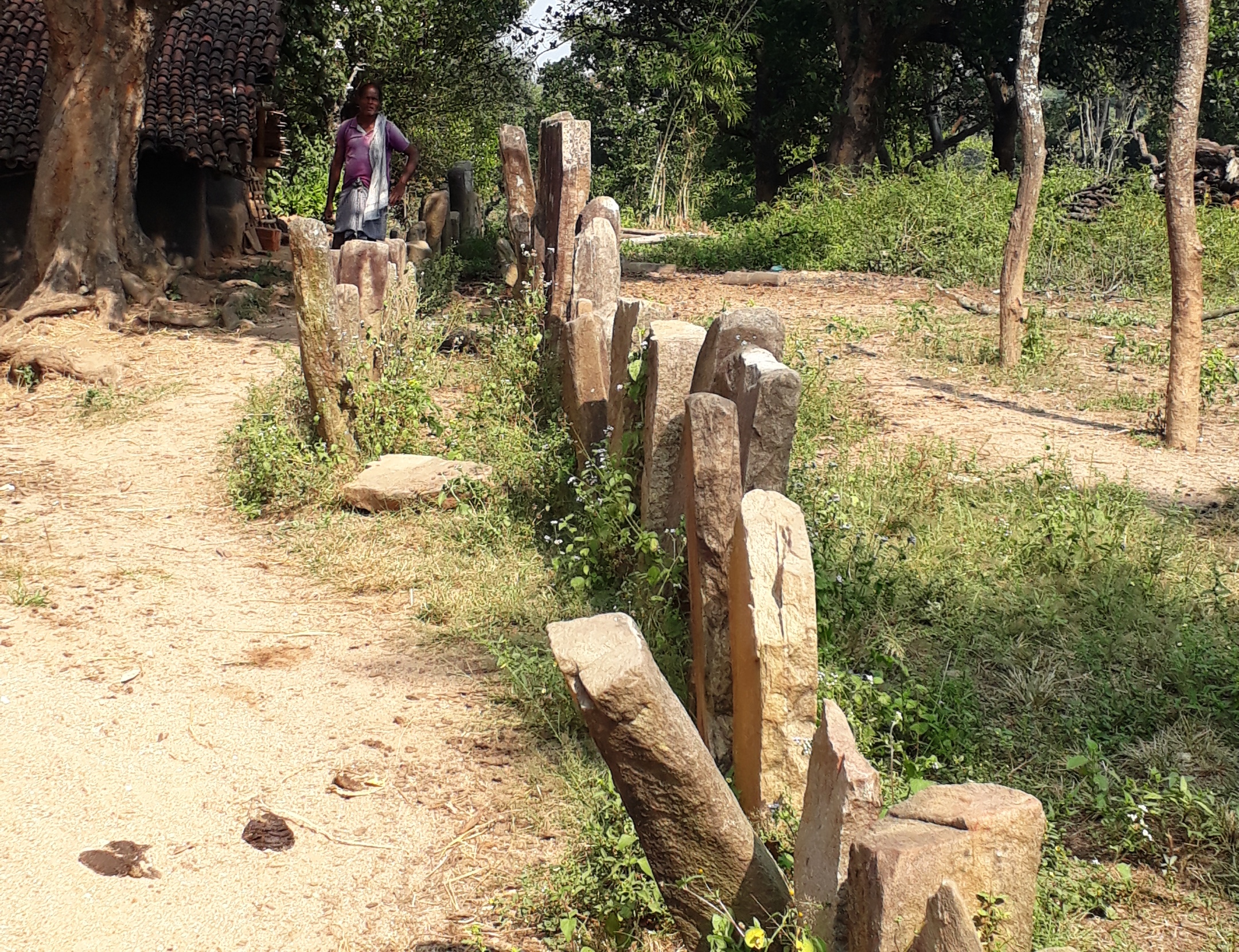 Photo by Deepanwita Gita Niyogi