Mothers of Payal Tadvi and Rohith Vemula petition the highest court, allege that institutionalised discrimination led to the suicides of their children


Representation Image
The draft National Education Policy (NEP) 2019was released online a few months ago and controversies surfaced regarding various aspects like advocating for Hindi language as central. As the debate rages on about language politics and erasure of diversity, another gaping hole in the policy is the lack of mention of secularism and religious studies.
The model of a secular education, of course, could either mean avoiding all religious instruction in schools or making equal space for texts from all the varied religions practiced in India.
While religious instruction is kept out of schools by the Education Policy, this has not meant an absence of “religious” texts in the classroom. We all remember studying poetry of bhakti saints like Basava, Tulsidas, Kabir, Mirabhai and Soordas, and poets like Malik Muhammad Jayasi, or Christian hymns like Lead Kindly Light by John Henry Newman in our literature textbooks.
While there is space for devotional poems and stories from mythology in the textbooks, it is another matter whether all religions of India have a representation in this manner. Our education system keeps no space or curriculum for the critical and authentic study of the various religions of our country. Could introducing a well-researched curriculum lead to a better understanding among children about their own and other religions? Could this aid in achieving a true vision of secularism by battling misinformation and fear of the unknown?
Children learn from their environment and our children sadly, have incorporated the discriminations of their surroundings as witnessed by multiple reports of children refusing to eat meals cooked by Dalit workers in Karnataka, Tamil Nadu, Uttar Pradesh, Madhya Pradesh, and more, according to news items surfacing every few months since 2015.
The discrimination percolates to children discriminating against each other as well as mirroring the actions of teachers and school managements. A report released by rights body, Human Rights Watch, “‘They Say We’re Dirty’: Denying an Education to India’s Marginalised,” highlights religious and caste-based discrimination in India’s schools. It laid bare instances of how Hindu teachers often passed derogatory remarks about Muslim students inside the classroom. The report found several instances of children in metropolitans like Delhi being discriminated against on religious grounds and discouraged from participating in sports and extracurricular activities.
There are even practices like separate classrooms and sitting areas for Dalit and Muslim students as seen in a story from Bihar, and in-depth studies like Payal Hathi’s research published in Economic and Political Weekly which yielded reports of discrimination against Dalit and Muslim students ranging from 10% to 25% across geographies and groups.
When asked about a case of discrimination against Muslim students and denying them admissions in Mumbai, Kiran Bhatty, a senior fellow at the Centre for Policy and Research who has worked as an education expert on several projects, including some with the Government of India, said “The discrimination could be happening in the classrooms as well, that can’t be denied. Maybe we need to remodel the whole (sensitization) programme and focus on training teachers in a way that their outlook towards these communities changes.”
Article 15 of the Indian Constitution prohibits “discrimination on any grounds- religion, race, caste, sex, place of birth or any other”. But are the tenets of non-discrimination being taught in schools? And if they are taught, is non-discrimination as a value, enough? Should we be talking about acceptance, tolerance, understanding, love even?
Indians have grown increasingly sensitive about religion, it is a topic that makes them nervous. In a country full of multiple faiths and pluralistic traditions, where communal hate is peddled in WhatsApp forwards and TV channels shouting out “Dharm pe vaar (attack on religion)” and repeating the word “Tushtikaran (Appeasement)” every 5 minutes, our next generation is learning about religion from all the wrong sources.
In the words of Mark Tully, “In the absence of authentic religious scholars and scholarship, the claims of those who have a vested difference in promoting religious disputes go unchallenged.”
India has much to learn, but it also has much to teach. We are a country with a long history of rich multi-faith traditions and cultures. We can create a comprehensive and unbiased curriculum for not just the Indian children, but also the world to learn about religion, harmony, and coexistence. The question is, will we?
Related articles

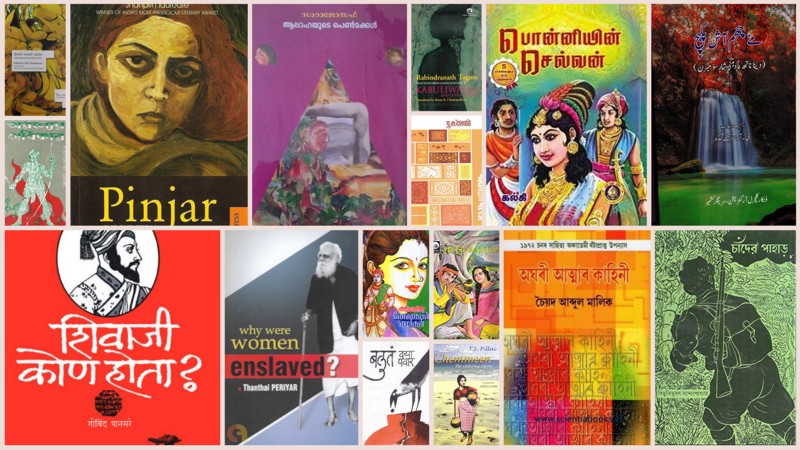
The books range from fiction to poetry to non-fiction and compilation of folk tales and songs. We have just picked three, but you can contribute to this list by adding your favourites in the comments section. This is just the first part, watch this space for more!
*Some book description text courtesy Wikipedia, Amazon and Good Reads.
Assamese: The eastern Indian state of Assam has been in the news recently for the National Register of Citizens (NRC). But it has a rich and varied history of literary works by stalwarts from the state.
Kashmiri: Kashmir has been in the eye of the storm since the communication blackout and bifurcation of the state of Jammu and Kashmir in August 2019. A great way to trace the history and vivid culture of the people of this state is to read the following books in Kashmiri language:
Tamil: Perhaps the strongest opposition to “Hindi Imposition” came from Tamil Nadu. The Tamil language is one of the oldest in the world. Here are some of the must-read books from Tamil literature.
Marathi: Maharashtra also has a reputation of having produced some of the most celebrated writers and poets in the country. Here are just three books from a literary goldmine.
Malayalam: Many writers from Kerala are known for their outstanding books of literary merit. Many have gone on to win international acclaim for their work.
Punjabi: The land of agriculture also has a rich literary culture, with stalwarts like Amrita Pritam, Nanak Singh and many others. Here are some of the mose celebrated Punjabi books.
Bengali: There are just way too many heavyweights in this category and it was hard to restrict our picks to just three.

In February 2014, Sagar Jadhav was a 23 year old newly married man in Bhigwan village in Indapur taluka of Pune. When a few local youth sexually assaulted a friend’s wife, he encouraged his friend to file a police complaint and even accompanied him to the police station. This angered the assailants who enjoyed patronage from a local goon. The goon invited Jadhav and his friend to their lair on the pretext of having a conversation and then proceeded to have them beaten mercilessly.
In an interview to Sakaal Jadhav, who belongs to a scheduled caste, had recalled his ordeal saying, “They assaulted me so badly that I have become 90 per cent disabled and wheelchair-bound for my whole life.” After the attack Jadhav was in a coma for five months. His family had to spend upwards of Rs 40 lakhs on his treatment and had to sell property and land in the process.
While many local politicians offered help, nothing really materialised from their hollow words. Eventually, the family approached CJP secretary Teesta Setalvad who helped them move court demanding compensation and rehabilitation as per provisions of the law dealing with atrocities committed upon members of Scheduled Castes and Tribes. CJP provided Jadhav with free legal aid and now the young man has received some relief.
In it order the court said, “In view of urgency and in the light of Section 15A of the Atrocities Act, by way of interim order, we direct the Respondent-State to give necessary directions to Dean B.J. Medical College and Sasoon Hospital, Pune to perform Cranioplasty surgery of petitioner No.1. All the expenses of surgery, including medicine, injectibles and implants, if any, and incidental expenses of hospitalisation and post-operative care, shall be borne by the State Government. The Respondent-State shall carry out this exercise on urgent basis, so that the operation would be performed as expeditiously as possible.”
The entire order may be read here:
After this the Maharashtra government has also ordered the Sasoon Hospital to perform the surgery. This order may be read here:

Petitioners had submitted that reports of rights violations are serious enough to merit judicial review of the situation with respect to children and to enforce and monitor certain immediate corrective action.

The Supreme Court has directed the Juvenile Justice Committee of the Jammu and Kashmir High Court to look into the allegations of illegal detention of children in Jammu and Kashmir in the wake of abrogation of Article 370, and submit a report before it within a week.
There have been certain reports specific to the serious human rights violations against children in the erstwhile state of J and K, which describe violations of very different kinds, ranging in seriousness from potential loss of life and liberty of the child, to being emotionally and intellectually drawn into the conflict. The directions were passed on petition filed by senior social activist, Enakshy Ganguly of Haq for Child Rights and senior activist, Shanta Sinha who is an anti-child labour activist of international reputation. She is the founder of Mamidipudi Venkatarangaiya Foundation, popularly known as MV Foundation, and is a Professor in the Department of Political science in Hyderabad Central University
The petition may be read here.
The petitioners had prayed for a regular status report from the government “detailing the current whereabouts, and the medical (both psychological and physical) status be provided on the specific children described in this petition, who have been detained or were detained and who have been beaten up in custody.:
Further they had also prayed for directions “ that all persons below the age of eighteen years who are detained in any police station, detention centre, jails, or any other confinement, by whatever name called in Jammu and Kashmir be identified through an age census conducted under the aegis of the Juvenile Justice Committee of the High Court of Jammu and Kashmir.
Petitioners had also asked for directions to the effect that “all children who are currently detained be produced before the Juvenile Justice Committee of the Hon’ble High Court and brought under their care and supervision, so that they may be provided with the necessary support” and that there would be “no detention of children be made without an Order in writing, stating legal provisions under which the detention order has been passed;” Also that the“ whereabouts of such children as detained under written, legal orders be made available to their parents/guardians.” Finally the prayers included directions to the High Court to review, fortnightly, the individual care plans (which should include compensation, rehabilitation, education, health etc.) prepared by the JJ Committees for all such children, as mandated by the JJ Act and further review the action taken thereunder by the JJ Committee in pursuance of such individual care plans; and directions for an enquiry to be conducted by a court appointed investigation team into the specific cases of children who have been maimed or illegally detained, or have died in the erstwhile state of Jammu and Kashmir. Compensation should also be paid to all those “children who have been maimed or illegally detained and to families of children who have died.”
In their sharp and focussed intervention, the petitioners had detailed reports of serious human rights violations on children:
ü reportage in mainstream newspapers are thus: the first pertains to illegal (if temporary) detention (and in some cases beatings) of young boys by security forces. The second concerns serious injuries and deaths of children through deliberate or accidental. The following specific cases are collated below:
A young boy as chased by the CRPF, while returning from a game of cricket. He somehow fell into the river and drowned while being chased. A copy of the report dated August 8, 2019; Indian Express reporting the drowning of a 16 years old boy. This report is annexed to the petition.
ü On August 9, 2019 night raids were conducted in Soura, Srinagar. A mother reported that the police knocked at her door at 2 AM demanding that her school-going son be handed over to them. When she refused to let them take the child away, they took her husband as ransom, telling her to bring the child to the police station the next morning if she wanted her husband back. A copy of the report of The Washington Post dated August 9, 2019 about the night raids conducted in Soura is also annexed.as also reports of the boy was admitted to the pellet injuries to his leg, which bystanders said were unprovoked . This report is annexed to the petition.
ü In one particular case of a 11-year-old boy from Pampore and has been widely reported, who was kept in detention without any formal records between August 5 and August 11, 2019. He has been quoted to say that there were boys even younger than him in custody from nearby villages. A copy of the newspaper article as reported in The Telegraph (14th August 2019) is also annexed.
ü A copy of the news report about how students were being forced to write to the Prime Minister as reported in Livewire is also annexed.
ü A copy of the Business Insider dated August 15, 2019 is also annexed
ü A team of civil society members visited Kashmir and released a report. The report of the civil society members was reported by Pheroze L Vincent dated August 15, 2019. A copy of the report of the Civil Society members was reported by Pheroze L Vincent dated August 15, 2019 is also annexed.
ü Caravan magazine carried a piece on the ground situation in Kashmir in its report dated August 16, 2019. A copy of the report dated August 16, 2019 reported in Caravan Magazine is also annexed.
ü One especially concerning narrative is the following: ‘while looking for them, we found a small five-year-old girl, Muneefa Nazir, with her right eye bandaged. She was lying on the bed and sleeping, with Eid mehendi on her hands, as more than ten family members sat around her looking shattered. She had been brought the previous day at 6.30 pm from Safakadal after a CRPF jawan hit her with a stone from his catapult. She was sitting on her uncle’s bike.“We were going to distribute the qurbani meat,” Farooq Ahmad Wani, the uncle said. “She sat in front, on the fuel tank. Two people sat behind me. As I tried to cross the road, one CRPF jawan asked me to take another way. As he was talking to me, another CRPF guy across the road hit us with the stone. Muneefa was injured and started bleeding a lot. When I tried to confront him and ask why he did it, he cocked his gun and said I will shoot you if you don’t leave. All the others who gathered to support me also ran away after that.” He added that everything was peaceful and their shift was also coming to an end, at 6 pm, when the incident happened.’
ü The Washington Post carried a piece on August 19, 2019 reporting that though the clampdown was slightly loosened the leaders were still detained. This report is annexed to the petition.
ü Two boys aged 14 and 16 years were picked up in a night raid from Mehjoor Nagar, Srinagar in the intervening night of August 19-20, 2019. Their father Ali Mohammad Rah had not been allowed to see them as of August 20, 2019.
ü Night raids were also conducted in the area of Nowshera during the night of August 19-20, and teenaged boys were illegally taken away. This report is annexed to the petition.
ü “Nights fill us with dread,” says Zainab* (name changed), a resident of Baramulla in north Kashmir. Zainab is in her late forties, and her children have grown up, but as many as three children have been “picked up” by security forces from her area, during raids conducted at night. One of them, Qasim*, is about 10-11 years old, and stayed barely a few blocks away from Zainab. “They (Qasim’s family) heard someone banging on their door a few days back. It was quite late. They (security personnel) told the family to call Qasim. They pleaded with the forces not to take the boy away but they roughed up the father and took Qasim under detention,” Zainab narrates. This is one of the several instances of minors being detained by security forces in the Valley after the government decided to scrap Jammu and Kashmir’s special status on 5 August. The number of children detained is said to be running into hundreds. This report is annexed to the petition.
ü Raids in south Kashmir are particularly severe. A large number of minors and youths have been picked up by security forces in places like Pampore, Awantipora, Khrew, Tral, and Pulwama, all of which are in the Pulwama district. A child was illegally taken away from Buchpora, Mehmoodabad at 1.40 am in the night of August 19-20, 2019.
ü On August 20, Mohammad Altaf, a government employee reported that his son, 17-year-old Sameer Ahmed, had been on his way to a hospital, bearing tea and food for a relative admitted there, when he was detained at the Soura bus stop. “My cousin’s son was passing by and saw him,” said Mohammad Altaf. “We have been waiting [outside the Soura Police station] all day. We went inside in the morning. They had beaten him with chains.” Once again, there is no FIR, according to the family. This report is annexed to the petition.
ü In the Eidgah area of Srinagar, a 12-year-old had been picked up on the afternoon of August 17, 2019 . He had been sent out to buy bread, his mother said, when stone pelting broke out. “I was inside the baker’s shop when there was a rush of people on the street,” said the 12-year-old. “They [security forces] came inside and took me out of the shop. The moment they caught me, they hit me with the butt of a gun and slapped me.” His mother, meanwhile, had heard a commotion on the streets and gone out to look for her son. A family which lives above the baker’s shop told her he had been taken by the police. She then took a lift on a passing bike and followed the police vehicles. At Ali Masjid, the old mosque near the Eidgah grounds, they found a police vehicle with a punctured tyre. They had her son but said they could not let him go, she recounted, he had to be presented at the police station. The boy was taken to the Safa Kadal police station, where he was kept in a lock up. “They asked me to write my name and details on a paper and sign it,” he said. “They also took my picture.” His family, meanwhile, waited all day near the police station. That day, reports had spread that an elderly man had died of suffocation from tear gas. It had led to more protests and tear gas shelling in downtown Srinagar, where the Eidgah is located. “We took refuge in a house near the station,” the mother said. At 9.30 pm, they let him go.
The boy was asked to report at the station the next morning. When he presented himself, they told him not to join protests again, slapped him and then let him go, his mother said.”
ü A resident of Srinagar’s Umarhair neighbourhood states that on August 18th 2019, the Indian paramilitary forces and police conducted a midnight raid and broke into their home. Without any explanation, they picked his two teenage sons, Both are high school students. tried to stop the police from making arrests, but he was hit by batons. “They locked the women in one room and then beat me up,” he said. According to local accounts, at least 10 teenage boys were detained in the neighbourhood on the same night. Three of them, including were released a few days later. The signs of anxiety and depression are visible on the face of He told TRT World that he was beaten up soon after the Indian paramilitary troops pushed him into the car. “They slapped and kicked me in the vehicle,” he said. While he and others who are still in detention, were kept in a small room with 35 other detainees and were picked up on August 5, 2019 and held in a cell with four others, with new detainees arriving and leaving each day. On the second day of their detention, he said, the two boys were asked to tell the police the whereabouts of another boy. When said he didn’t know the boy, an officer hit him with a wooden baton five times on his knuckles and palms, he recalled. , said she came to see her son every day and officers sometimes let her speak to him. “He would cry and ask me to take him home,” she said. “It was very difficult to see him like that.”
ü One person was awakened by a voice claiming to be a local cleric, asking him to open the gate to his home. Half a dozen armed policemen jumped over the wall and said they were looking for, he said. They whisked the boy away. Two days later Danish had still not returned. A copy of the report carried by Scroll dated August 28, 2019 is also annexed.
Finally, the submissions in the petition: the petitioners state that “admittedly, Jammu and Kashmir is passing through an ‘extraordinary situation’. It is most respectfully submitted that as a constitutional democracy, it is imperative, especially in these extraordinary circumstances that this Hon’ble Court ensures that no excesses take place against women and children, who are admittedly most vulnerable in such tense situations.
Further, in cases where teenage boys are picked up for fear of being ‘potential’ stone-pelters, it is imperative that the detention must be reported and monitored by a body such as the Juvenile Justice Committee of the High Court of Jammu and Kashmir, which has as its chairperson a retired judge of the High Court. Such a body already exists in the High Court of Jammu and Kashmir.
In WP(c) 8889/2011, the Delhi High Court had taken Suo Motu notice on the basis of reports that suggested that several times when children were arrested by Delhi police, they were lodged at Tihar jail, out of ‘sheer negligence’, ‘act of omissions’ or sometimes ‘deliberately’. The Hon’ble High Court held that “we are of the opinion that specific and detailed directions need to be issued to all the appropriate authorities for compliance so as to prevent the incarceration of children in conflict with law, in the jails or their subjection to the Adult Criminal Justice System.”
Accordingly it directed National Commission for Protection of Child Rights (NCPCR) to form teams to regularly visit jails and conduct age-based surveys of prisoners lodged therein to ensure that no minor is kept in incarceration in the jail. Such an action may also be mandated in the present case under the supervision of the existing Juvenile Justice Committee of the High Court.
Further, the petitioners state that while the authorities have stated that “things are improving and in fact schools have reopened from August 19, 2019”, however, mainstream newspapers report that classrooms were empty, as most parents did not feel that the children could be safely sent out. ‘On Monday, very few pupils arrived at any of the 190 schools that had opened in Srinagar. “It is a risk. I cannot risk my child’s life for some experiment,” a local police officer said. Communication blocks mean there is no way of contacting school staff in case of an emergency, he said.’ [ The Guardian (August 19, 2019)] Also, The Indian Express (August 19, 2019)]
In a strong and clear submission, the petitioners state that the situation in Kashmir today is urgent and disturbing from the perspective of children’s wellbeing. It would appear from the reports that the state is acting in violation of both specific laws with respect to children and also of constitutional principles and International Child rights commitments. With the abrogation of Article 370 and the consequent passing of the Jammu and Kashmir Reorganisation Act, 2019 the immediate safety and protection of Kashmiri children becomes the responsibility of the Union Government. It is in this context that the Petitioners pray that the Supreme Court act as parens patriae to the children and direct the government to submit a status report on actual detentions, injuries and deaths of children between August 5th 2019 to the present day.
It is pertinent to note that these very serious allegations of excesses on children are not being made in a vacuum. The reports of illegal detention of children after August 5th 2019, although unverified at this stage, are not without precedence. The Report of the Office of the United Nations High Commissioner on Human Rights published on 14th June 2018 records the fact of arbitrary detention of children in Kashmir and also of maiming and injuring.
Additionally, the United Nations Working Group on Arbitrary Detention (2008) has also taken note of the arbitrary detentions of Children in Kashmir. Children in the Kashmir valley have been regularly detained under the Public Safety Act (PSA). Although the Act makes no reference to the ‘administrative detention’ of children, the security forces and police routinely detain children, especially boys between the ages of 16 and 18 years.
Similarly the Juvenile Justice Acts precludes detentions of children in the adult prison system, or without any formal record of detention. K) The Central Juvenile Justice (Care and Protection of Children) Act, 2015 in Section 2(12) and the Jammu and Kashmir Juvenile Justice (Care and Protection of Children) Act, 2013 in Section 2(m) both define “child” as a person who has not completed the age of 18 years. L) The statutes also define ‘child in need of care and protection’ as any child who is a victim of , or affected by an armed conflict, or civil unrest or a natural calamity [ Sections 2(14)(xi and Section 2(e)(x) respectively of theCentral and Jammu and Kashmir Act]. It is incumbent upon the state to provide such children necessary support and care. M) The UN Convention on the Rights of the Child (CRC), which India has ratified in 1992 states in Article 39: “States Parties shall take all appropriate measures to promote physical and psychological recovery and social reintegration of a child victim of any form of neglect, exploitation, or abuse; torture or any other form of cruel, inhuman or degrading treatment or punishment; or armed conflict. Such recovery and reintegration shall take place in an environment which fosters the health, self-respect and dignity of the child.”
The state has a constitutional duty to protect the rights of the child as guaranteed under the Constitution of India. O) It is relevant to note that such extraordinary situations have a deep and everlasting impact on the psychological well-being of children and by ignoring the urgency of the situation we may ‘lose’ a generation of citizens to state excesses. Community Mental Health Journal 55(3), March had published the results of a survey assessing the mental health of a thousand children from 12 schools in Shopian district: one out of every three of these children had a clinically diagnosable mental disorder, most commonly in the form of mood, anxiety or behavioural disorders. The study was conducted before the current troubles and thus the situation is only likely to worsen. This view is supported by the statement issued by the Institute of Mental Health and Neuro Sciences (IMHANS), Srinagar .
The removal of the term ‘Dalit’ from official docs by the Maharashtra government, weeks before the state assembly polls, is an attempt to neutralise rising Dalit Consciousness

Image Courtesy: newslaundry
The BJP led Maharashtra government has shown its eagerness in following the Central government’s last year’s ‘directive’ asking all state governments to refrain from using the word ‘Dalit’ in official communication. This also comes just weeks before the announcement of assembly polls in the state.
The Devendra Phadnavis-led Maharashtra government has asked all its departments not to use the word, “Dalit” in “in all official transactions, matters, dealings and certificates and instead use Scheduled Caste or its appropriate translation in other national language(s)”. A notification issued by the joint secretary of the social justice department D R Dingle says in keeping with directives issued by the Centre’s social justice ministry, the word ‘Dalit’ should be replaced with “Schedule Caste or Anusuchit Jati (in Marathi)”.
Justification of this overtly political play is a judicial decision of the MP High Court in 2018. This court order had invited sharp criticism last year. A reading of the Court’s order in question, however, shows it only wanted the Centre “to consider the question of issuing such direction to the media and take suitable decision upon it.” The court had not gone into the merits of using the term. After it was brought to its notice that the Union Ministry of Social Justice and Empowerment had issued a directive to use only the term ‘Scheduled Castes’ in all official matters, the court merely noted that since media institutions were not a party before it, the I&B Ministry could consider the question of issuing a similar direction to the media. The I&B Ministry’s advisory had come across as confusing as it uses the words “for all official transactions, matters”, though the media’s references to the community are usually beyond official contexts.
However, Dalit groups have vociferously criticised the ‘ban’ of the use of the term Dalit over the past year and have asserted that the word conveys a sense of identity and is of political significance.
The debate over the appropriateness of using the term ‘Dalit’ to refer to members of the Scheduled Castes is neither recent nor new. Merely a decade ago, the National Commission for Scheduled Castes had not favoured the use of ‘Dalit’, which it felt was ‘unconstitutional’. This is because belonging to a ‘Scheduled Caste’ is a legal status conferred on members of castes named in a list notified by the President under Article 341 of the Constitution. Therefore, some believe, ‘Scheduled Caste’ may be the appropriate way to refer to this class of people in official communications and documents.
A similar view was expressed by Tejas Harad, writer and intellectual, currently working with the social science journal, Economic and Political Weekly (EPW). He said, “I feel this decision by Maharashtra government is fine because Scheduled Castes is a clearly defined category. Dalit is a word that emerged from political movement in Maharashtra and its contours were not very well defined until now. Now too the word Dalit doesn’t exactly correspond with Scheduled Castes. As far as government restricts this decision to its administrative part, it’s fine. But it was wrong on the part of Press Council of India to ask the media to not use it. The word is not a caste slur, it’s not an offensive word rather it has a history of decades of political assertion. Government can’t force anybody else to stop using the word. That’s wrong on the part of the government.”
However, the debate seems to be beyond the usage of the term in official documents. “Dalit” literally translates into “broken” or downtrodden.”
“Ambedkar used ‘Dalit’ as a quasi-class term, included within its ambit was the downtrodden and poor. This gave character to the germinating anti-caste movement at the time.” Eminent intellectual Dr. Anand Teltumbde highlights the context in which the term surfaced
Rumi, a Mumbai based artist, sculptor and an independent researcher who has been interrogating the subject of identity politics and Dalit visual art practices, taking the discourse forward, “The term Dalit is an Assertive Anti-caste position, and is important for researchers, writers, artists and ethnographers of the Dalit consciousness movement, which is a rising phenomena right now.”
Rumi also shines a light on the historical usage of the term. She adds, “The term is especially important because Jyotiba Phule used it first, and later BR Ambedkar did. It was further popularized and mobilized by the Dalit literary movement of the 60’s, especially by Dalit Panthers. It’s a term of assertion and is not derogatory in any ways. How can it be, if Babasaheb and Phule used it to locate caste oppression.”
The focus of the government to keep indulging in the matters of nomenclature when it comes to the several other issues that communities face at large could also be a case of misplaced priorities, as also highlighted by the former Mumbai University Vice-Chancellor, Bhalchandra Mungekar who said that instead of changing nomenclature, the government should implement policies for the welfare of Dalits. “The term Dalit has acquired worldwide acceptance because it denotes not only the former so called ‘untouchables’ but a vast majority of disadvantaged sections. Instead, policies drafted for welfare of Dalits should be implemented and Dalits must feel the government is working for them,” he said.
After the I&B Ministry’s advisory to media on the issue last year, The Press Council of India too had said there could not be a ban on the word ‘Dalit.’
Gangadhar Pantawane, a Dalit writer from Maharashtra defines Dalit as a notion of change and revolution. The Dalits belief was humanism instead of sacred books, heaven, and hell as it made them a slave to other castes. “What is Dalit. To me, Dalit is not a caste. Dalit is a symbol of change an revolution. The Dalit believes in humanism.” “.. Dalitness is a matter of appreciating the potential of one’s total being.
Rumi says,” The new constitutional term cannot be made mandatory, as Dalit Is the preferred and accepted term of the literary writers, artist’s, ethnographers from the Dalit consciousness movement, they should speak up at this point, and assert the term Dalit.”
The term Dalit has evolved over a period of time and has come to symbolise different meanings. Some of these are- self-respect, assertion, solidarity and opposition to caste based exploitation. In the past Dalits have been forced to lead an undignified life full of shame, trauma and atrocities. Dalits have been referred as ‘untouchables’ but the official term used by the British was ‘depressed classes’. Mahatma Gandhi referred to Dalits as ‘Harijans’ which was rejected by the community which saw the word as patronising and sanctimonious. Moreover, Gandhi wanted to keep Dalits within the sphere of Hinduism and hence he chose the term which first figured in the hymn Vaishnava jana by Narsinh Mehta.
However, such usage led to a debate between Gandhi and Ambedkar who wanted to represent Dalits as a separate community.
After Ambedkar’s death, the first Dalit movement that revolutionised the discourse on Dalit politics was the Dalit Panthers Party founded in the 1970s in Maharashtra’s then Bombay. Its method of fixing instant accountability with the upper caste, caught the imagination of Dalits in Maharashtra who were facing atrocities despite the Constitution outlawing inequality and caste-based discrimination.
The Dalit Panthers manifesto was published in 1973 and gave a new definition to the term ‘Dalit’: ” Dalits are members of the Scheduled Castes and Tribes, Neo-Buddhists, the working people, landless and poor peasants, women, and all those who are being exploited politically, economically and in the name of religion.”
A close aide of the Dalit-Ambedkarite group Bhim Army, Kush, says, “Scheduled Caste is a limiting term. In the past, we have been abused using the term ‘Dalit’ but this hatred united us under one umbrella, which has now become our collective identity. This is the reason why the term Dalit is being removed from books, or sometimes this sort of propaganda is done in the name, but the truth is that the government is afraid of our unity.”(अनुसूचित जाति एक सीमित शब्द है आज से पहले दलित कहकर हमे गाली दी जाती थी लेकिन इसी नफरत ने हम सबको दलित शब्द के नीचे एक कर दिया जो आज हमारी संयुक्त पहचान बन गया है इसी एकता से सरकार डरती है इसलिए कभी किताबों से दलित शब्द हटाया जाता है तो कभी इस तरह के प्रोपगंडा किया जाता है हकीकत में ये हमारी मजबूती से डरते है।)
Rumi also believes that the removal of the term from official documents is an attempt to curb the rising public Dalit consciousness and that voices must be raised against this from all quarters, especially the ones making and amending laws. She says that this kind of neutralization in the public consciousness isn’t a “good thing”.
Several scholars in the past year too, have questioned the need for this ‘word-play’. Social scientist Satish Deshpande had asked, “To prohibit or even ban insulting terms etc. is understandable, but why do this for a self-chosen word/name? The only reason I can think of is that word brings to mind the antagonistic relationship between caste Hindu society and the so called “out-castes”, the discrimination and oppression still practiced by the dominant sections of society.
Over the past couple of years, if any people’s movement has self-organised and resisted government’s atrocious policies, it is the Dalit movement with its several strands and colours, especially the Ambedkarites.
Whether it was the struggle for social justice after the scholar Rohith Vemula’s institutional murder or the resistance after Bhima Koregaon, a vibrant Dalit movement has time and again posed vast challenges for the government in terms of asking to be accountable for its actions. While grave issues such as manual scavenging still persist in the Indian society even after seven decades of independence, the government chooses time and again to indulge in word-play which may be unnecessary or even suited to its own majoritarian agenda.
Related
1. “No other Country sends People to Gas Chamber”: SC on Sewer Deaths
2. Democracy Aaj Kal: Imposition of Hindi, Sant Ravidas Temple, ChandraShekhar Azad
3. HC directs police to file report on Sambhaji Bhide’s role in violence: Bhima-Koregaon Case

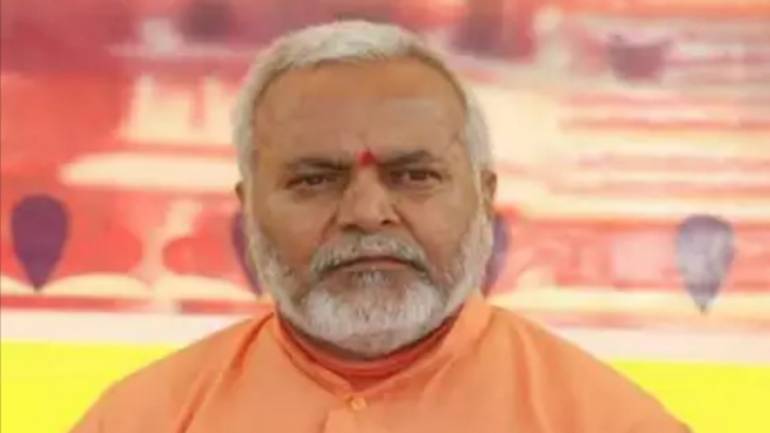
The ruling Bharatiya Janata Party (BJP)’s Chinmayanand, accused of rape by a law student, was finally arrested on Friday, five days after the survivor elaborated the incident of sexual assist that she faxed for over a year. In the period she also faced blackmail. She submitted the incident before a court. It’s been close to a month after the allegations first surfaced. Just two day before, the survivor accused the Uttar Pradesh government for their lax attitude towards the accused and had asked, “Will they believe me if I kill myself?”
Chinmayanand has been charged with “misusing authority for sexual intercourse” or “sexual intercourse not amounting to the offence of rape”, according to his lawyer. The police are yet to confirm this charge, which carries a punishment of up to five years in jail and a fine.
Before his arrest from his Mumuksha Ashram, the politician who is 73 now, was taken in a senior police officer’s car to a hospital in Shahjahanpur in Uttar Pradesh around 5.30 am. He had been hospitalised yesterday after he complained of “uneasiness and weakness”. Some reports emerging from the ground, however, have asserted that this was in an attempt to prevent his arrest.
The survivor had been trying to file a rape complaint for almost a month but the UP police refused to do so. Once arrested, apparently, he has been not charged with rape still. The only charges the police did file was that of kidnapping and intimidation, which the woman’s family had alleged after she went missing.
He was finally arrested a day after UP Chief Minister Yogi Adityanath, at a press conference on his government’s half-way mark, claimed that women’s safety was a priority for him and crime had dropped since he came to power at the head of a BJP government.
The 23-year-old woman, a student at a law college that Chinmayanand runs, on Monday went to a court protected by over 50 police personnel and recorded her statement in the court of the chief judicial magistrate.
But a Supreme Court-appointed Special Investigation Team (SIT) refused to file rape charges or arrest him. “There will be no arrest unless there is solid evidence. We will not be pressured by media trial,” a senior officer said at a press conference on Wednesday.
The survivor has alleged that Chinmayanand sexually exploited her for a year after helping her with admission into his college. He allegedly filmed her taking a bath and blackmailed her with the video and raped her. The woman says she was raped repeatedly for a year by the politician. She was allegedly brought to his room at gunpoint and was even forced to give Chinmayanand massages.
The survivor reportedly has said that she decided to gather evidence against him and filmed him with a camera in her spectacles. The case surfaced when she went missing on August 24 after putting up a Facebook post without naming Chinmayanand. When the UP police found her after a week, the Supreme Court heard her allegations and ordered an SIT to inquire into them. The team questioned the woman, visited her hostel room and later questioned Chinmayanand for seven hours last week.
Chinmayanand was a union minister for home in former prime minister Atal Bihari Vajpayee’s government.

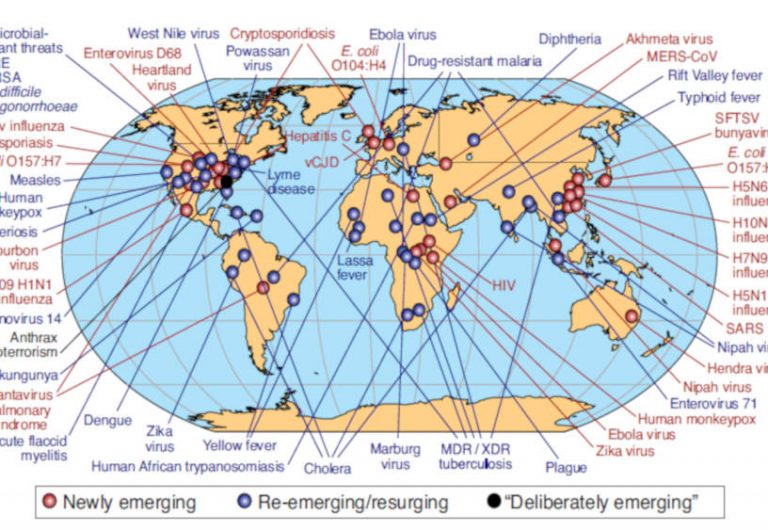
Source: A World At Risk, released by Global Preparedness Monitoring Board, convened by World Health Organization & World Bank
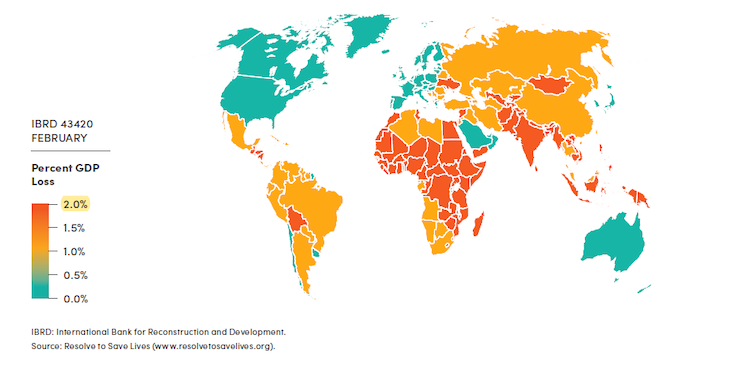
In such an epidemic, India will lose 2% of its gross domestic product (GDP)–that is, Rs 3.8 lakh crore ($53.5 billion) or roughly twice the Centre’s agriculture budget in 2019-20.
This is unless world leaders increase funding for disease control and coordinate their efforts to develop strategies to contain the disease, the Global Preparedness Monitoring Board (GPMB), convened by the World Health Organization (WHO) and the World Bank, said.
Drawing on the recommendations made by experts after the 2009 H1N1 influenza pandemic and 2014-16 Ebola outbreak along with other reports and data, the 15-member panel of experts, politicians and heads of agencies assessed the preparedness of countries in dealing with pandemics. The panel includes former WHO director-general Gro Harlem Brundtland and International Federation of Red Cross and Red Crescent Societies secretary-general Elhadj As Sy.
An outbreak of a viral disease such as Ebola, severe acute respiratory syndrome (SARS) and influenza will be more difficult to manage at a time when travel times are shorter than ever before, the report, released on September 18, 2019, said. Management is even more difficult in underdeveloped countries with large populations lacking access to healthcare.
Countries and donor agencies need to increase expenditure on building systems that detect health emergencies to ensure timely and adequate response and share data and resources like vaccines to minimise the spread of the pandemic, the board recommended.
Lives and livelihoods at risk from disease
Since the 1918 flu epidemic that killed 50 million people (2.8% of the population) worldwide, the population has increased over four times. In addition, a person carrying a deadly virus can travel to any part of the world in less than 36 hours, increasing the likelihood of turning a localised outbreak into a catastrophe that has the potential to destabilise the global economy.
The WHO tracked 1,483 epidemics between 2011 and 2018 in 172 countries, including SARS, Ebola, zika and the nipah virus. It detected man-made and previously unknown viruses in the last 50 years and mapped them.
Healthcare facilities are already inadequate in poor countries, making it more difficult to contain the spread of infectious diseases. A lack of trust in government agencies, such as that witnessed in Pakistan, reduces the efficacy of preventive measures. The cost of treating those affected and implementing preventive measures puts an additional strain on the economy.
The combined cost of the Ebola epidemic of 2014-16 to Sierra Leone, Guinea and Liberia–the three countries in which 99.8% of all cases–was $2.8 billion. Economic activity was adversely affected: every second Liberian worker lost their job nine months into the epidemic; tourist visits to Sierra Leone, which lost 20% of its GDP, were down by half; and government revenues from taxes fell by 4.9-9.4% in the three countries, according to the report.
In such an epidemic, as we said, India stands to lose about 2% of its GDP in a year, according to GDP forecast models used in the report.
Estimated Loss From A Viral Respiratory Disease

Prepare for the worst
Donors and multilateral institutions must ensure adequate investment in the development of vaccines and other treatments, increasing manufacturing capacity for vaccines at short notice during a pandemic and implementing appropriate public safety protocols, the report said.
Existing systems for responding to outbreaks are not sufficient and funds earmarked for epidemic control would fall short in the case of an actual epidemic, the report noted, adding that new vaccines, medication and diagnostic techniques need to be developed, which require research and development (R&D).
To limit the damage caused by infections, the GPMB recommended that countries, aid agencies and multilateral institutions like the WHO increase funding for R&D. In addition, developing countries’ capacities for dealing with epidemics need to be increased.
The WHO has assisted countries financially and technically to improve their health capacity. Funding for research on neglected diseases has increased 7% to reach a 10-year high between 2016 and 2017, the GPMB noted.
The world is currently in possession of a stockpile of 400 million doses of pandemic influenza vaccines with the capacity to manufacture 6.4 billion doses, which can be used to vaccinate 43% of the world’s population with two doses in the event of a pandemic. However, the ultimate aim is to develop a universal influenza vaccine, and the GPMB wants world leaders to commit to a timeline and allocate funds for developing such a vaccine by September 2020.
Diagnostic technology–which helps identify affected persons in time and test the efficacy of vaccines–is a critical investment that pays off during epidemics. The Global Influenza Surveillance and Response System has 151 laboratories in 115 countries that allows timely identification and effective monitoring of respiratory pathogens, including SARS and the Middle East Respiratory Syndrome (MERS) viruses, according to the GPMB.
Countries with high maternal & child mortalities cannot contain pandemics: report
Provision of basic healthcare is crucial for a country to be able to deal with health crises: Unless the most basic healthcare facilities, such as those for maternal and child health, are in place, a country cannot prepare for a pandemic, the GPMB said.
The Board called for improving health coverage and involving religious leaders, local governments and civil society to devise community-specific plans that are tested adequately before an emergency actually occurs.
Accessible and efficient care provided locally will build the people’s trust in government agencies, according to the GPMB. In addition, existing facilities and resources can be mobilised in times of emergencies, such as in Nigeria, where polio care facilities were used during the Ebola outbreak.
Investment in disease-containing capabilities pays off, as illustrated by the successful implementation of strategies that helped limit the damage caused by the Nipah virus in Kerala in India and the MERS virus in the Republic of Korea, both in 2018. In the same year, Uganda and countries bordering the Democratic Republic of Congo managed to detect and treat cases of Ebola in time, reflecting better preparedness.
National-level bodies, commissions or agencies with political authority and accountability should be set up in every country to lead efforts during health crises, the GPMB recommended. This will help avoid delays in decision making, such as those witnessed in the Ebola and Zika response.
The way forward: Clear leadership, more money & resource-sharing agreements
Investing $3.4 billion in health systems will provide a benefit of $30 billion, reducing both economic and human loss, making health a worthwhile investment. Yet, the GPMB observed, governments continue to neglect health.
Poor countries are unable to deal with healthcare emergencies by themselves, putting the world at risk of a pandemic. The WHO’s contingency fund for emergencies (CFE) has been depleted after the Ebola outbreak in DRC in 2018. Member states should increase their contributions to the WHO’s CFE and also assist developing countries to develop the infrastructure required to deal with pandemics, the Board recommended.
National leaders should lead efforts, not only during epidemics but also in ensuring preparedness for health crises, the report said. In times of epidemics, the UN and WHO need to unanimously declare a leader to oversee disease control efforts.
New approaches are required to deal with health emergencies in conflict zones like the Eastern DRC and Yemen. Poverty and unstable governance can amplify a disease outbreak, making it difficult for government agencies to control it.
(Iqbal, an economics graduate, is an intern with IndiaSpend.)
Courtesy: India Spend
Join our mailing list to get the latest human rights news that matters, straight to your mailbox.
© Sabrang | All Rights Reserved