यह संयोग नहीं है कि इस गणतंत्र दिवस यानी रिपब्लिक डे पर 26 जनवरी को चिल्लाकर अंग्रेज़ी बोलने वाले इकलौते भारतीय समाचारवाचक अर्नब गोस्वामी का समाचार चैनल ‘रिपब्लिक’ लॉन्च हो रहा है। इसे मुहावरे में समझें या यूं ही, लेकिन यह ‘रिपब्लिक’ अब औपचारिक रूप से एनडीए यानी भारतीय जनता पार्टी यानी राष्ट्रीय स्वयंसेवक संघ की अपनी दुकान होगा जिसके गर्भगृह यानी न्यूज़रूम में केवल दक्षिणमुखी बजरंगियों की एक फौज आपको जबरन राष्ट्रवाद की खुराक पिलाने का धंधा करेगी।
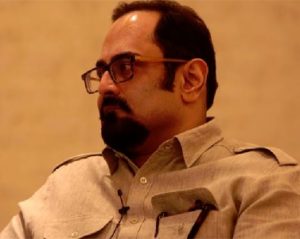
टाइम्स नाउ छोड़ने के अगले ही दिन अर्नब गोस्वामी ने इस कंपनी को ज्वाइन कर लिया था। कहा जा रहा था कि यह स्वतंत्र पत्रकारिता का एक ठिकाना होगा, लेकिन इंडियन एक्सप्रेस ने सबसे पहले ख़बर छापी कि इस चैनल में सबसे बड़ा निवेश भारतीय जनता पार्टी के राज्यसभा सांसद और केरल में एनडीए के उपाध्यक्ष उद्यमी राजीव चंद्रशेखर का होगा। (फोटो दाएँ) ‘रिपब्लिक’ की मूल कंपनी का नाम है एआरजी आउटलायर मीडिया प्राइवेट लिमिटेड जिसके प्रबंध निदेशक खुद अर्नब गोस्वामी हैं, जिन्होंने 19 नवंबर को यह पद ग्रहण क लिया था और उसके बाद से घूम-घूम कर सबको बता रहे हैं कि यह चैनल दिल्ली की लुटियन पत्रकारिता को चुनौती देगा।
चंद्रशेखर ने इस चैनल में 30 करोड़ रुपये का निवेश अपनी अलग-अलग कंपनियों के रास्ते किया है। चंद्रशेखर की एशियानेट के अलावा अर्नब की कंपनी एसएआरजी मीडिया होल्डिंग का इसमें निवेश है।
मसला केवल निवेश का नहीं है बल्कि इस गणतंत्र को लेकर जैसी परिकल्पना इसके मालिकों ने रची है, उसी हिसाब से अपना गणतंत्र रचने के लिए उन्हें कामगार फौज की भी तलाश है। इंडियन एक्सप्रेस की 21 सितंबर की एक ख़बर के मुताबिक चंद्रशेखर की कंपनी जुपिटर कैपिटल के सीईओ अमित गुप्ता ने अपनी संपादकीय प्रमुखों को एक ईमेल भेजा था जिसमें निर्देश दिया गया था कि संपादकीय टीम में उन्हीं पत्रकारों को रखा जाए ”जिनका स्वर दक्षिणपंथी हो”, ”जो सेना समर्थक हों”, ”चेयरमैन चंद्रशेखर की विचारधारा के अनुकूल हों” और ”राष्ट्रवाद व राजकाज” पर उनके विचारों से ”पर्याप्त परिचित” हों।
बाद में गुप्ता ने हालांकि इस ईमेल को ”इग्नोर” करने के लिए एक और मेल लिखा, लेकिन बंगलुरू में अंडर 25 समिट में अर्नब ने अपने रिपब्लिक के पीदे का विचार जब सार्वजनिक किया तो यह साफ़ हो गया कि टीवी के इस नए गणतंत्र को दरअसल वास्तव में बजरंगी पत्रकारों की एक ऐसी फ़ौज चाहिए जो मालिक के कहे मुताबिक दाहिनी ओर पूंछ हिला सके। अर्नब का कहना था कि वे लुटियन की दिल्ली की पत्रकारिता से पत्रकारिता को बचाने का काम करेंगे क्योंकि वे लोग समझौतावादी हैं और उन्हें जनता का प्रतिनिधित्व करने का कोई हक़ नहीं है।
क्या वास्तव में पत्रकार जनता का प्रतिनिधि हो सकता है? अगर चैनल ‘रिपब्लिक’ हो सकता है तो पत्रकार उसका प्रतिनिधि भी हो सकता है। ज़ाहिर है, सच्चा प्रतिनिधि वही होगा जो रिपब्लिक के मालिकान की अवधारणा के साथ हो।
बहरहाल, इंडियन एक्सप्रेस ने जब लिखकर अर्नब से यह सवाल पूछा कि क्या उनके मालिक चंद्रशेखर का चैनल में निवेश हितों का टकराव नहीं है क्योंकि वे खुद रक्षा सौदों से जुड़े हैं और रक्षा पर संसद की स्थायी समिति के सदस्य भी हैं साथ ही रक्षा मंत्रालय की परामर्श समिति में भी हैं। इस पर अर्नब की ओर से अख़बार को कोई जवाब नहीं मिला। देखें:
‘रिपब्लिक’ 26 जनवरी से शुरू हो रहा है। यह रिपब्लिक डे पर किसी भी पत्रकारिता संस्थान के लिए गौरव की बात होनी चाहिए, लेकिन एक बात साफ़ है कि इस रिपब्लिक में संविधान के मूल्यों का तटस्थता से निर्वाह नहीं किया जाएगा क्योंकि इसके स्वामित्व पर सवाल हैं और पत्रकारों की भर्ती प्रक्रिया पर भी सवाल उठ चुके हैं। देखने को केवल यह रह जाता है कि नया वाला रिपब्लिक पुराने वाले रिपब्लिक की पैदाइश है या पुराना वाला रिपब्लिक चलाने वालों को नए रिपब्लिक की जरूरत आन पड़ी है।
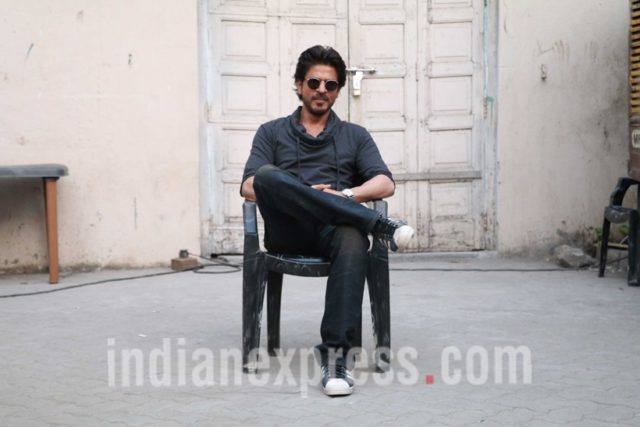
पिछले हफ्ते फिल्म स्टार शाहरुख़ खान ने द इंडियन एक्सप्रेस की अलका साहनी को एक साक्षात्कार दिया। साहनी ने उनसे सवाल पूछा था कि गोल्डेन ग्लोब पुरस्कार में मेरिल स्ट्रीप के संबोधन के बाद भारतीय सेलिब्रिटी, खासकर बॉलीवुड की शख्सियतों पर काफी सवाल उठे हैं कि वे ऐसा कुछ नहीं बोलते। इसका जवाब शाहरुख ने काफी विस्तार से दिया है जो रविवार, 29 जनवरी को संडे एक्सप्रेस पत्रिका में प्रकाशित होगा। उससे पहले हालांकि अख़बार ने साक्षात्कार के कुछ अंश एक लेख के रूप में छापे हैं जिसमें भारतीय मीडिया पर कुछ बेहद गंभीर सवाल शाहरुख़ ने उठाए हैं। हम यहां उस लेख के कुछ अंशों का तर्जुमा पेश कर रहे हैं- संपादक
मुझे यह बात बहुत अटपटी लगी जब सारे पत्रकार कहने लगे “भारत के अभिनेता आखिर कब इस तरह से बोलना शुरू करेंगे?” सवाल है कि भारतीय अभिनेता एक ऐसी स्थिति के बारे में क्यों बोलें जो यहां मौजूद ही नहीं है। अगर आप किसी एजेंडे या परिस्थिति पर हमसे बोलवाना चाहते हैं तो आपको हमसे उस बारे में पूछना चाहिए और बेशक, हम बोलेंगे।
मैं पलटकर पूछना चाहता हूं: ‘यहां के पत्रकार उस तरह से व्यवहार क्यों नहीं करते जैसा पश्चिम के पत्रकार करते हैं। आप देखिए कि वहां के पत्रकार राष्ट्रपति पद के उम्मीदवार से बिना डरे तथ्यात्मक सवाल पूछते हैं। अगर कोई बीच में टोकता है तो वे उसे रोक कर कहते हैं, “यह समय इनका है।”
मैं यहां के पत्रकारों से कहना चाहता हूं कि अभी आपका समय नहीं आया है, इसलिए आप कृपया शांत रहें। क्या मैं उन दो लोगों को सुन सकता हूं जिनसे आपने सवाल पूछा है। अजीब बात है कि टीवी के परदे पर दो पत्रकार आपस में ही बात करते रहते हैं और पैनल पर बैठे लोग चुपचाप बैठे रहते हैं। अद्भुत स्पेस है ये…।
आप जबरन कोई राय कायम मत करिए। मेरी ये फिल्में दो साल से लटकी हुई थीं। मैं आज भी इस बात पर भरोसा करता हूं कि एक कलाकार का काम अपने तरीके से सर्वश्रेष्ठ मनोरंजन करना होता है। हम तो दर्शकों को जिम्मेदार नहीं ठहराते या उन पर बंदूक नहीं तानते जब वे हमारी फिल्में नापसंद कर देते हैं या हमारे विचार से सहमत नहीं होते?
फिर आखिर क्या वजह है कि सबसे पहले खबर देने या सबसे पहले कोई विचार सामने रखने के चक्कर में मीडिया दूसरे लोगों का इस्तेमाल करता है? कम से कम इतनी प्रतिष्ठा बचाकर रखें कि पूछ सकें- “क्या आप मेरे साथ हैं? ”फिर हम दोनों उस पर बात कर सकते हैं… या फिर ऐसे ही चलता रहेगा कि आप हमारे स्निपेट, बाइट, लेख और शब्दों को कुल मिलाकर किसी न किसी रूप में अपनी राय पुष्ट करने के काम में लाते रहेंगे?
मेरिल स्ट्रीप की स्पीच के बाद मुझसे यह पूछना कि भारतीय अभिनेता वैसा ही क्यों नहीं कर रहे हैं, अजीब बात है। ये तो ऐसे ही हुआ कि अचानक आप मुझसे पूछें कि मैं टाइगर वुड्स जैसा गोल्फ क्यों नहीं खेल रहा।
बुनियादी बात यह है कि आपको ऐसे लोगों से बात करनी है जिन्हें आपकी बात समझ में आये। स्ट्रीप ने अपनी बात कहने के लिए जिस जगह का इस्तेमाल किया, उसमें मंच से ज्यादा अहम वे लोग थे जो उनका कहा समझते थे… ।
मैं मीडियाकर्मियों का इंतज़ार कर रहा हूं कि वे अपने नए-नए अर्जित स्टारडम से मुक्त हो सकें। अधिकतर मेरे दोस्त हैं। मैं उनसे पूछना चाहता हूं: आखिर आप लोग क्यों सोशल मीडिया पर मौजूद बेचेहरा हुल्लड़बाजों में शामिल होना चाहते हैं जो कुछ भी कह के अचानक मशहूर हो जा रहे हैं? आपको ऐसा करने की जरूरत नहीं है। आप ऐसे लोग हैं जिन्हें जनता की राय को सामने रखना था ताकि मैं आपकी और दूसरों की राय से मिलाकर दुनिया के बारे में अपनी राय बना सकूं। जो कुछ हो रहा है, आप उसके बारे में जानकारी का पहला स्रोत हैं…।
आप क्यों चाहते हैं कि भारतीय कलाकार स्ट्रीप की तरह बोलें? क्या मैं यह कह सकता हूं कि मेरी इच्छा है कि भारतीय पत्रकार भी मुझे वैसे ही पेश करें? क्या यह सही होगा? मुझे ऐसा मंच दीजिए जहां मैं अपनी राय रख सकूं, जो आपकी स्टोरीलाइन के एजेंडे की मोहताज न हो। तब मैं बोलूंगा, और मैंने हमेशा अपनी बात कही है।
अमेरिका राष्ट्रपति डोनाल्ड ट्रंप ने शनिवार को एक ऐसे शासकीय आदेश पर हस्ताक्षर किए हैं। जो शरणार्थियों के प्रवाह को सीमित करने के लिए और चरमपंथी आतंकियों को अमेरिका से बाहर रखने के लिए सघन जांच के नए नियम तय करता है।
डोनाल्ड ट्रंप ने सात मुस्लिम देशों से आने वाले मुसलमान शरणार्थियों को बैन कर दिया है। राष्ट्रपति ट्रंप ने यह कदम अमेरिकी शरणार्थी पुर्नवास कार्यक्रम को स्थगित करके उठाया है। इस ऑर्डर के तहत अमेरिका में सात मुसलमान देशों सीरिया, इरान, इराक, लीबिया, सूडान, यमन और सोमालिया से आने वाले शरणार्थियों पर नए प्रतिबंध लगा दिए गए हैं।
मीडिया रिपोर्ट्स के मुताबिक, ट्रंप ने पेंटागन में ऑर्डर को साइन किया और कहा कि हम सिर्फ उन्हीं लोगों को देश में एंट्री देंगे जो अमेरिका को सपोर्ट करेंगे और यहां के लोगों से प्यार करेंगे।
ट्रंप ने अमेरिका के शरणार्थी कार्यक्रम को 20 दिनों के लिए स्थगित कर दिया है। वहीं जांच के लिए नए नियम लागू कर दिए हैं।
बता दें कि ट्रंप ने अमेरिकी राष्ट्रपति चुनाव के दौरान और राष्ट्रपति पद की शपथ लेने के बाद कट्टरपंथी आतंकवादियों के खात्मे का संकल्प लिया था। उन्होंने कहा था कि CIA ऐसा करने के लिए योजना बनाएगी।
मोदी सरकार के 2.5 साल के कार्यकाल में पहली बार ऐसा होने जा रहा है कि कंपनियों का अपनी तरफ से इन्वेस्टमेंट घट गया है और क्रेडिट रेटिंग एजेंसियों ने भी भारत की रेटिंग को पहले के स्तर से नीचे कर दिया है। इससे आगामी बजट इस सरकार का सबसे मुश्किलों से भरा रहेगा।
नोटबंदी से पड़ा है कंपनियों पर काफी असर
समाचार एजेंसी ब्लूमबर्ग की रिपोर्ट के अनुसार, नोटबंदी को 3 महीने से ऊपर का समय गुजर गया है, लेकिन इससे सरकार की चुनौतियां काफी बढ़ गई हैं। इससे आम लोग तो प्रभावित हुए, साथ ही उद्योगों पर भी काफी नकारात्मक असर पड़ा है।
इस बार के बजट में उद्योगों को रफ्तार देने के लिए कदम उठाने पड़ेंगे। अगर मोदी और वित्त मंत्री अरुण जेटली ने इसके लिए कोई घोषणा नहीं की तो देश की इकनॉमी पर इसका काफी असर पड़ने की संभावना है।
क्रेडिट रेटिंग एजेंसियों ने भी घटा दी है रेटिंग
विश्व की प्रमुख क्रेडिट रेटिंग एजेंसियां जैसे की फिच, एसएंडपी ग्लोबल, मूडी ने भारत की साख को काफी नीचे कर दिया है। इसके साथ ही रिजर्व बैंक ने भी जीडीपी के अनुमान को 7.6 फीसदी से घटाकर के 6.8 फीसदी कर दिया है। केवल नोमुरा ने कहा है कि नोटबंदी से इकनॉमी पर इतना असर नहीं पड़ा है।
Six days after taking office, President Donald Trump is facing the first international crisis of his administration. And it’s unfolding on Twitter.
Following through on campaign promises to crack down on immigration, Trump signed executive orders to both kick-start the construction of a border wall with Mexico and block federal grants for “sanctuary cities” – jurisdictions that offer safe harbour for undocumented immigrants. Trump justified these measures as necessary for improving domestic security. “A nation without borders is not a nation,” he said. “Beginning today, the United States of America gets back control of its borders.”
After signing the orders, Trump insisted in an interview with ABC news network that Mexico would reimburse construction expenses “at a later date”.
Mexico has taken advantage of the U.S. for long enough. Massive trade deficits & little help on the very weak border must change, NOW!
Trump’s push to force Mexico to pay for the wall has plunged the two neighbours into a tense and unusual diplomatic standoff. Mexico has long been a key partner and ally of the US and Enrique Peña Nieto’s government has keenly tried to avoid a standoff. Trump, on the other hand, has fuelled one with his frantic social media activity.
Welcome to the era of Twitter diplomacy.
American non-diplomacy
Historically, diplomacy is not one of America’s strong suits. Former UN Secretary General Boutros Boutros-Ghali once noted that he was surprised to learn that US international officials usually see “little need for diplomacy”. For Americans, Boutros-Ghali claimed, it’s perceived as “a waste of time and prestige and a sign of weakness.”
But with Mexico President Trump has taken this tradition of American non-diplomacy to uncharted territories.
Mexicans, divided on their own president, are united behind a dislike of Donald Trump. Edgard Garrido/Reuters
Peña Nieto chose moderation and diplomatic subtlety to address Trump’s belligerence. This conciliatory strategy has, indeed, been perceived as a sign of weakness on both sides of the border.
Yet the Mexican government’s situation is delicate. Either Peña Nieto endures Trump’s relentless humiliation, or he jeopardises the nation’s commercial partnership with the US, which buys 80% of Mexican exports.
So Peña Nieto did everything possible to appease Trump, probably hoping that he would eventually moderate his positions. He even appointed Luis Videgaray – the unpopular politician who organised then-candidate Trump’s ill-received August 2016 visit to Mexico – as Minister of Foreign Relations.
Trump answered the conciliatory gesture, which was deeply controversial in Mexico, by tweeting that his southern neighbours would pay for the wall in the border “a little later” in order to build it “more quickly”.
Peña Nieto then tried to warn Trump about the consequences that a conflict with Mexico could have upon the US agenda. Using the infamous druglord Joaquín Guzmán Loera, aka El Chapo, as a subtle rebuke to Trump’s stance on Mexico, the president extradited him to the US on January 19, just a few hours before Barack Obama’s term expired.
US officials and the Mexican public interpreted the timing of the extradition, which had been green-lighted for months, as a Mexican housewarming gift to the Trump White House.
But a different hypothesis seems more plausible. Mexico rushed to hand over El Chapo to Obama to prevent Trump from taking credit for the extradition. As Mexican journalist Esteban Illades argued, if Mexico had delayed the extradition by one more day, Trump would have boasted about his role in organising it for months on Twitter.
But Trump didn’t pay attention to Peña Nieto’s warning: two days after taking office, he announced that he would begin renegotiating NAFTA with the leaders of Canada and Mexico, and set a meeting with Peña Nieto on January 31.
Peña Nieto sent Videgaray and Ildefonso Guajardo, Mexico’s Minister of Economy, to Washington for preparing his meeting with Trump. He instructed them to avoid both submission and confrontation in negotiations with the American administration.
But that plan faltered when, on the night before the emissaries were to arrive to Washington, Trump tweeted that Wednesday would be a “big day” for “national security” because he was looking forward to “building the wall”. Videgaray and Guajardo were actually in the White House when Trump left the building to sign his executive order.
This insult raised outrage in Mexico. Intellectuals, politicians and citizens, both left and right, demanded that Peña Nieto cancel his visit to Washington.
Mexico’s president answered this new provocation with a short video statement, in which he said that Mexican consulates would now serve as legal aid offices for undocumented Mexican migrants in the US. He resisted though cancelling the meeting with Trump, saying that he would make a decision based on Videgaray’s and Guajardo’s report out.
But another social media blast from Trump derailed that wait-and-see strategy, too:
of jobs and companies lost. If Mexico is unwilling to pay for the badly needed wall, then it would be better to cancel the upcoming meeting.
Even for mild Peña Nieto this was too much. He cancelled the meeting with Trump without even a press conference. Instead he tweeted: “This morning we have informed the White House that I will not attend the working meeting with @POTUS scheduled next Tuesday.”
As Foreign Minister Videgaray acknowledged, “You don’t ask your neighbour to pay for your home’s wall.”
Esta mañana hemos informado a la Casa Blanca que no asistiré a la reunión de trabajo programada para el próximo martes con el @POTUS.
A phone call between Trump and Peña Nieto on Friday morning may allow for a brief cooling-off period, but without a doubt Mexico and the US have entered into an age of conflict. The consequences, in North America and beyond, are still uncertain.
Spectres of the national anthem
If the US administration moves forward with its proposed plan to build the wall and fund it by imposing a 20% tax on Mexican imports, Peña Nieto’s government has options for retaliation. It could implement a crackdown on American citizens – many of them retirees – who overstay their tourist visas in Mexico, or impose reciprocal tariffs on American exports.
Indeed, the US should not take Mexican friendship for granted. As Mexican historian Enrique Krauze has pointed out, despite recent good relations, Mexico has a series of historical grievances against the US, which remain deeply rooted in Mexican collective memories.
First, the US invaded Mexico in 1846, annexing half of its territory. This event was so traumatic that it became the main theme of the Mexican national anthem.
Then, in 1913, the American ambassador Henry Lane Wilson plotted to have democratically elected president Francisco Madero murdered. This incident plunged Mexico into a fierce civil war and postponed effective implementation of democracy in the country for 90 years.
Finally, in 1914 US marines occupied the city of Veracruz, triggering a prolonged period of hostile relations. The bond between Mexico and the US only normalised again in 1942 with Franklin D. Roosevelt’s Good Neighbour policy.
To maintain this peaceful coexistence, both Mexican and American governments have usually taken into account the complex historic relationship between the countries.
Trump’s novelty is that he seemingly has no interest in or intention to contemplate the conflicted history of Mexican-American relations – not even considering the strategic importance of Mexico for his nation.
Trump and Peña Nieto during the Republican candidate’s controversial August 2016 visit to Mexico. Henry Romero/Reuters
The Twitter president
Instead, his policy decisions seem based on social media metrics.
Mexican writer Jorge Volpi believes that Trump’s use of Twitter as a privileged medium says a lot about this president. Twitter favours speed over analysis, wit over depth, and aggression over reflection. For Volpi, these are very Trumpian character traits.
The global consequences of such Twitter diplomacy are unknowable. But in Mexico, beyond generating a diplomatic crisis, Trump’s actions are successfully arousing the dormant spirits of Mexican nationalism.
Social media platforms are on fire there. Denise Dresser, a respected liberal intellectual, declared that though Donald Trump’s presidency may last eight years, Mexico has existed for thousands of years. The historian Rafael Estrada Michel has called for Mexico to renegotiate not NAFTA but the Guadalupe-Hidalgo treaty, which established the current US-Mexico border after the Mexican-American war.
If US-Mexico relations continue in this line, Mexicans will be forced to pay a terrible price for Trump’s antics. NAFTA established a prosperous free-trade zone in North America, and without its main trade partner, Mexico will have to entirely reinvent its global alliances and its economic structure. By the way, according to the Office of the US Trade Representative website – which, in our brave new world of alternative facts, might be taken down soon – US manufacturing exports have increased 258% under NAFTA, and 40% of Mexican exports into the US are actually originated in American inputs.
It is also likely that the US will find it seeking Mexico’s support in the near future. Neighbourly collaboration is still necessary to face the myriad challenges both countries share, including climate change and cross-border drug policy. Will Mexico be there next time the US needs it?
It now falls on American and Mexican citizens to defend and foster the peaceful relationship that has been built with much suffering over decades – not with Twitter diplomacy, but with human feeling.
Author is Senior Lecturer in Human Rights, Constitutional Law and Legal Theory, University of Wollongong
Two scholars dipped into 100 texts, and found that yoga is not as culturally homogenous as the Right Wing makes it out to be.
Yoga is not a culturally homogenous, all-Hindu, Vedic tradition, as is often portrayed by revivalist demagogues and those who have set up a raucous campaign to reclaim its roots. It is, in fact, a liberal, eclectic tradition that absorbed freely from Buddhist, Jain, even Sufist ascetic practices.
Roots of Yoga, a new academic work by renowned yoga scholars Mark Singleton and James Mallinson, is an intensive study of over 100 core texts on the subject. These date from 1000 BCE to the 19 century CE, from early Upanishads and Mahabharata to Jnaneswari and Hawz al-Hayat (The Spring of Life), and include rare texts in several languages, including Tamil, Avadhi, Marathi, Kashmiri, Pali, Tibetan, Arabic and Persian.
The book, five years in the making and launched last week by Abhyas Trust in Delhi, punctures some of the popular myths around yoga. To begin with, there is no evidence that yoga started as a religious tradition.
“Yoga was a sort of floating technology between various religious systems,” said Singleton. “The Dattatreyayogasastra (13CE), for instance, says that yoga can be practised by anyone irrespective of religion or caste, ascetics, Brahmins, Buddhists, Jains, tantrics and even materialists.”
Dattatreyayogasastra has some pithy things to say about religious figureheads in “ochre robes” claiming to be great yogis, while lacking practice, faith and wisdom – “men like that do not practise yoga but attain their ends through words alone, one should shun those who wear religious garb”.
What inspired the book, Singleton said, was the desire to relook at the hegemony of a handful of texts, mostly Patanajil’s Yogasutras (2CE), in the modern recap of yoga history. “There is a vast range of thinking on yoga through different texts and they don’t necessarily repeat the Yogasutras,” said Singleton. He and Mallinson are also part of an ambitious ongoing five-year research project at SOAS, a university in London, on the evolution of one of the branches of yoga – hatha yoga.
Mark Singleton and James Mallinson
Another widely-held theory is that yogas are a Vedic practice, traceable back to 1500 to 1000 BCE. This is part of a common revivalist tendency to push the antiquity of knowledge traditions further back in history to give them greater importance. Some wishful thinkers in fact push it as far back as the Indus Valley Civilisation (3300-1300 BCE), pointing to the Pasupati seal that depicts a seated figure and was discovered at Mohenjo-daro. As the book points out, there are images in Mesoamerica that resemble yogic asanas more than the seal.
The book also traces what is now referred to as yoga, particularly dhyanayoga (meditation), to a much later period – 500 BCE, also the period when Buddhism began its rise to prominence. The Vedas had certain elements of mysticism, posture and breath control critical in yoga, but by no means does that make for evidence of a systematic yogic practice in Vedic era, say the authors.
It was a bunch of renunciant ascetics called Sramanas (strivers) seeking nirvana and moksha (liberation) around 500 BCE whose practices created the earliest template for yoga, though they did not call it that. “These groups, which probably developed independently of the Brahmanical Vedic traditions, but were influenced by them to varying degrees, included Buddhists, Jains and the lesser-known Ajivikas,” says the book. Ajivika was an ascetic sect that challenged the Brahminical grip on Hinduism.
Janis C Alano/Reuters
Buddhist practices, texts and deities indeed exerted a strong influence in the shaping of yoga, taking its early practice, under other names, to Tibet and Sri Lanka. “The first major text on hatha yoga is Amritasiddhi, an 11th century tantric Buddhist work,” said Mallinson, who has researched extensively on extreme practices in yoga and written a book on the esoteric tantric practice of Khecharividya.
Research now shows that the Buddhist Yogacara school and its texts predate Yogasutra by two centuries. And the use of several asanas and mudras “bear a close similarity to ascetic practices first mentioned in the latter half of the first millennium BCE, shortly after the time of the Buddha”. “In the second millennium, the new techniques of haṭha yoga began to be incorporated into the vedantic mainstream, and new texts were composed – such as the so-called Yoga Upaniṣads – which assimilated these technologies and presented them as part and parcel of the tradition,” said Singleton. “Previously, authorities like Shankara had rejected yoga as a spiritual path. Increasingly, hatha yoga became accepted as a practice suitable to householders rather than just renunciants.”
The vedantic appropriation of yoga reached a high point with raja yoga, popularised by Swami Vivekananda towards the end of the 19th century. It combined vedanta, yoga and western “spiritual” techniques. It is the heady mix of yoga, spiritualism and nationalism propagated by him that makes him the favourite philosopher and yogi of the Right-Wing establishment.
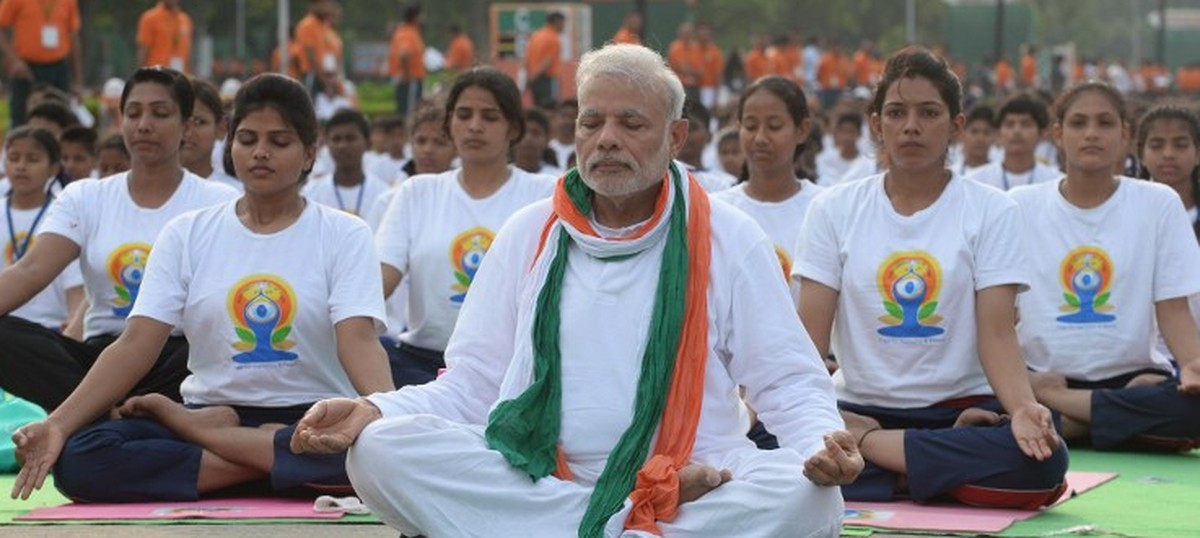
Yoga has, over the last couple of years, been personally pushed by Prime Minister Narendra Modi. The Yoga Day spectacles on June 21, the drive to ensure it greater place in academia and institutions, and the aggressive stance on issues taken by babas and yogis have ensured that the tradition has now acquired a muscular nationalist profile.
Alongside, the US-based Hindu American Foundation has been protesting what it calls the cultural appropriation of yoga by the West. It accuses the Western countries of tearing the tradition from its Hindu roots. There are an equal number of Christian and Islamist organisations that see yoga as a Hindu practice. Singleton and Mallinson themselves were at the receiving end of blunt comments at the 2017 Jaipur Literature Festival: what are two white guys doing writing on yoga? They are often asked confused questions about yoga’s religious roots and antiquity.
But yoga itself has been robustly open to the idea of taking diverse cultures into its cultures throughout its history. “You often find greater details in some of the Persian texts on yoga than in Sanskrit,” said Mallinson. “In fact, the first illustrated manuscript on yoga, Bahr al-Hyat (Ocean of Life), was commissioned by Prince Salim, later Emperor Jahangir.”
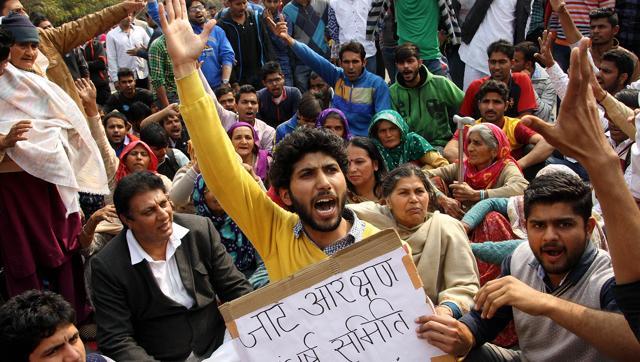
The district administration has imposed CrPC Section 144 in parts of Rohtak district as a precautionary measure in view of the call given by a section of Jats for a fresh round of quota agitation from January 29.
The assembly of five or more people in about 500 metres from national and state highways, along with railway stations in the city has been banned, an official said today.
The Haryana government has sought 55 companies of paramilitary forces from the Centre besides deployment of 7,000 Home Guards in the state which saw 30 deaths and widespread vandalism during a similar stir last year.
Rohtak and some of its neighbouring districts, including Sonipat and Jhajjar, had been worst-hit by the violence.
The agitation had also affected Delhi as the protesters cut water supply to the national capital.
The call for fresh stir has been given by some Jat outfits, especially those owing allegiance to the All India Jat Aarakshan Sangharsh Samiti (AIJASS) headed by Yashpal Malik.
The Jat community outfits, while accusing the Manohar Lal Khattar government of not fulfilling their demands for reservation, have threatened to launch the next round of agitation from January 29.
“Although the leaders of various agitating organisations have promised to hold dharnas in a peaceful manner, still the administration is fully geared up to maintain law and order,” Haryana’s Additional Chief Secretary (Home), Ram Niwas said.
All the Deputy Commissioners and Superintendents of Police have been directed to ensure that highways and railway tracks are not obstructed and no damage is caused to property, officials said.
Meanwhile, a mahapanchayat of some Khaps (caste councils) was held at Rohtak today, in which they reiterated their call to hold the peaceful agitation from January 29.
During the mahapanchayat, Khap leaders maintained that the release of arrested Jat youths from jails, withdrawal of cases registered during last year s agitation and grant of government jobs to the kin of youths killed during last year s stir were their immediate demands.
Om Prakash Nandal, new chief of Nandal Khap, who was the convener of the Mahapanchayat meeting held at Rohtak, assured that the stir will be peaceful.
“Since the reservation matter is in high court, we will wait for it the final outcome,” he said.
Another prominent Khap leader Surinder Singh, told reporters in Kurukshetra that the Jat leadership knows it that the issue of Jat reservation was a legal battle and not a political one.
“However, some of the Jat leaders who belong to other states are using coercive methods of threatening to re-launch agitation across the state for vested interests,” he said.
शुक्रवार को डायरेक्टर संजय लीला भंसाली के साथ जयपुर में शूटिंग के दौरान हाथापाई और मारपीट हुई है। इस फिल्म का विरोध कर रहे कुछ राजपूत समूहों की भीड़ ने जयपुर के जयगढ़ किले में लगे फिल्म के सेट के बाहर प्रदर्शन करते हुए भंसाली को थप्पड़ जड़ दिया और उनके साथ मारपीट और अभद्रता की।
राजस्थान के जयपुर के जयगढ़ किले में चल रही संजय लीला भंसाली की पीरियड ड्रामा फिल्म ‘पद्मावती’ की शूटिंग के दौरान राजपूत करणी सेना के कार्यकर्ताओं ने जमकर हंगामा मचाया और तोड़-फोड़ की। हाथा-पाई के दौरान प्रदर्शनकारियों ने भंसाली को थप्पड़ भी मार दिया।
मीडिया रिपोर्ट्स के मुताबिक, करणी सेना का कहना है कि उन्हें अलाउद्दीन खिलजी और रानी पद्मावती के बीच कथित रूप से फिल्माए जा रहे लव सीन पर आपत्ति है। फिल्म में शाहिद कपूर, रणवीर सिंह और दीपिका पादुकोण प्रमुख भूमिकाओं में हैं। दीपिका चित्तौड़ की रानी पद्मावती की भूमिका निभा रही हैं।
हंगामा करने वाले संगठन करणी सेना का दावा है कि संजय लीला भंसाली ने अपनी फिल्म पद्मावती में अलाउद्दीन खिलजी और रानी पद्मावती के बीच एक बेहद आपत्तिजनक सीन डाला है।