Bharatiya Mazdoor Sangh – which sat out the recent all-India strike – has opposed the proposed stake sale in 22 public sector companies.
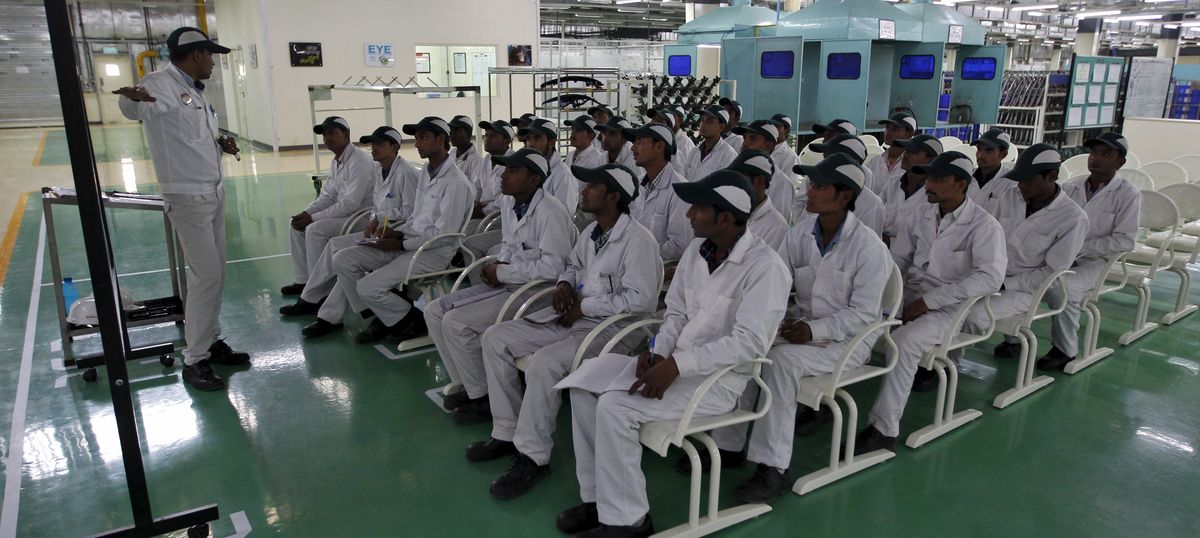
The Narendra Modi government may be headed for another confrontation with central trade unions over their opposition to the Centre’s move to bring down its share in 22 public sector units to below 51%, as part of its disinvestment programme.
Stopping disinvestment in public sector companies and restricting foreign direct investment in strategic sectors form a key part of a 12-point charter of demands submitted by the trade unions to the government. On September 2, the unions had organised an all-India strike against what they called the Centre’s failure to address their concerns.
The Rashtriya Swayamsevak Sangh's trade union wing, the Bharatiya Mazdoor Sangh, had withdrawn from the strike after consultations with an empowered group of ministers. But it is now threatening to organise fresh anti-government protests on the disinvestment issue.
“There is no requirement of sale and disinvestment of public sector companies,” said Virjesh Upadhayay, general secretary of the Bharatiya Mazdoor Sangh. “The government cannot take unilateral decisions. We have told government representatives to explain and discuss the details of each proposal with us or else we will organise stronger protests against the proposal in the coming weeks.”
After the prime minister’s office approved the disinvestment plan for the 22 companies last week, the RSS-affiliated union organised a demonstration against it in Delhi on September 20, Upadhayay said. He added that it would organise more protests in the coming days.
Fund-raiser
The 22 public sector companies – identified by NITI Aayog – where the government is set to reduce its stake to a minority share include three plants of the Steel Authority of India in Salem, Durgapur and Bhadravati, helicopter service operator Pawan Hans Limited, the National Jute Manufacturing Corporation, Cement Corporation of India Limited and Scooters India Limited.
News agencies had earlier reported that the government has set a target of raising Rs 56,500 crores from the disinvestment drive this year. Of this, Rs 36,000 crores is to come from the sale of the government's existing minority stake in some public sector units, and Rs 20,500 crores from strategic sale in both profit- and loss-making public units.
The decision triggered protests at some of the affected plants on September 22 and 23 with workers fearing it could lead to a deterioration in work conditions. At the Steel Authority of India's Salem plant, 950 permanent and 700 contractual workers went on a flash strike last week.
“Vacancies for permanent jobs have not been filled since 2005, and if the ownership pattern changes, only contractual jobs will remain and regular jobs will be phased out,” said P Panneerselvam, president of the Steel Plant Employees Union, which is affiliated to the Centre of Indian Trade Unions, which in turn is attached to the Communist Party of India (Marxist).
Salem, Bhadravati and Durgapur had state-of-the-art technology and trained personnel and there was no need for the government to sell its share, Panneerselvam added.
“This government is trying to revive disinvestment, which was last attempted at the time of the Vajpayee government. We had gone to court and stopped it then, and we will not allow it now,” he said.
Rajya Sabha MP and CPI(M) leader Tapan Sen accused the government of ignoring the unions’ demands. “Are the workers who actually produce gross domestic product, generate wealth, deliver resources to the public exchequer and create profit for the employers not stakeholders in the economy?” he asked. “Are they not citizens of this country? Why are the workers not entitled to be heard on such basic issues that affect the economy?” According to a report in The Hindu, the prime minister’s office last week also approved the closure of 17 units, including Indian Oil-CREDA Biofuels Ltd and CREDA HPCL Biofuel Ltd, both jatropha oil-focussed subsidiaries of state-owned petroleum companies. Employees at these plants will be offered voluntary retirement.
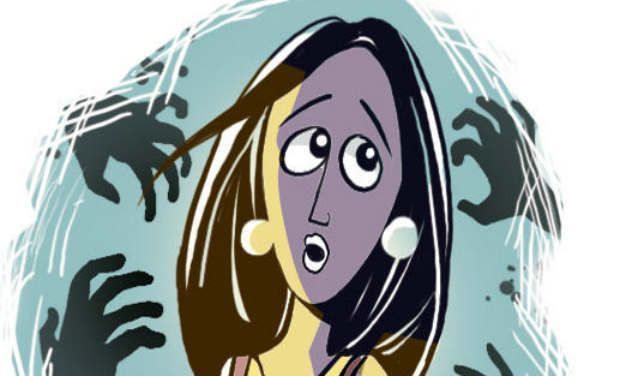
गुजरात में सूरत नगर निगम के उपायुक्त केतन पटेल और चार अधिकारियों पर एक महिला कर्मचारी ने यौन प्रताड़ना का मामला दर्ज कराया है।
सूरत पुलिस के अनुसार, पीड़ित महिला दलित है जो सूरत नगर निगम के शहरी विकास विभाग में पहले काम करती थी। शिकायत के अनुसार, जुलाई 2014 से जून 2015 के बीच नगर निगम के अधिकारियों ने उसे प्रताड़ित किया। लालगेट थाने में की गई शिकायत में सूरत नगर निगम के उपायुक्त केतन पटेल, कंप्यूटर विभाग के राकेश राणा, इंजीनियर निरीष पटेल, सहायक इंजीनियर संजय पटेल और सेक्शन अधिकारी हेमलता देसाई के नाम शामिल किए हैं।
पीड़ित महिला ने अपनी शिकायत में कहा है कि आरोपी उसे फोन भी करते थे, खुश करने को कहते थे और उसे मैसेज भेजते थे। पीड़ित महिला की उसी विभाग में कॉन्ट्रेक्ट पर काम करने वाली बेटी के पास भी ये आरोपी मैसेज भेजते थे।
मामले की जाँच सूरत पुलिस के अनुसूचित जाति/जनजाति प्रकोष्ठ को सौंप दी गई है। एससी-एसटी सेल की सहायक आयुक्त नीता देसाई ने बताया है कि अभी तक किसी आरोपी को गिरफ्तार नहीं किया गया है। पहले सभी आरोपियों के बयान लिए जाएँगे, फोन कॉल और मैसेज के सबूतों का विश्लेषण किया जाएगा और फिर उनके खिलाफ ज़रूरी कार्रवाई की जाएगी।
मामला दर्ज होने के बाद से आरोपी जवाब देने से बच रहे हैं।
केंद्र सरकार भले ही दावा करती है कि वह आईआईएम में आरक्षित पद भरना चाहती है, लेकिन सचाई यही है कि उसने ऐसा कोई आदेश जारी नहीं किया है। आईआईएम अहमदाबाद के डायरेक्टर ने बताया है कि सरकार ने इस बारे में कोई आदेश नहीं दिया है, केवल एक सुझाव दिया है।
दरअसल, केंद्र सरकार ने मंशा जाहिर की थी कि आईआईएम एससी, एसटी और ओबीसी के लिए नियुक्तियों में आरक्षण लागू करके अपने संवैधानिक दायित्व पूरा करें। सरकारी सूत्रों के मुताबिक, मानव संसाधन विकास मंत्री प्रकाश जावड़ेकर ने इस तरह के इरादे जाहिर किए थे।
मानव संसाधन विकास मंत्रालय के एक वरिष्ठ अधिकारी के अनुसार, “आरक्षण का प्रावधान संविधान के अनुसार ही है और संविधान से ऊपर कुछ भी नहीं है। जिन संस्थानों को आरक्षण लागू करने से छूट दी गई है, उनकी सूची में आईआईएम का नाम नहीं है।”
उल्लेखनीय है कि आरक्षण को उच्चतम न्यायालय ने स्वतंत्रता के बाद कई मामलों की सुनवाई करते हुए संविधान सम्मत करार दिया था। इंदिरा साहनी बनाम भारत सरकार (एआईआर 1983 एससी 477) में ओबीसी के लिए आरक्षण को मंजूरी दी गई थी। बाद में अशोक कुमार ठाकुर बनाम भारत सरकार (एआईआर2008 (6) एससीसी) में पदोन्नतियों में भी आरक्षण को वैध ठहराया गया था।
उच्च शिक्षण संस्थानों में आरक्षण का मामला 2008 में तब चर्चा में आया था जब सरकार ने आईआईएम, आईआईटी समेत केंद्रीय धन से चलने वाले सभी संस्थानों और अन्य केंद्र से वित्तपोषित विश्वविद्यालयों से शैक्षणिक पदों पर एससी, एसटी और ओबीसी को आरक्षण देने को कहा था।
आईआईएम दाखिले में तो आरक्षण देने लगे लेकिन प्राध्यापकों के पदों पर आरक्षण लागू करने की उनकी मंशा कभी नहीं दिखी। आईआईएम अहमदाबाद, बंगलौर और कोलकाता ने तो सरकार के इस फैसले का विरोध भी किया। हालाँकि, आईआईटी और अन्य केंद्र सरकार से वित्तपोषित विश्वविद्यालयों ने इसका पालन शुरू कर दिया है।
मानव संसाधन विकास मंत्रालय ने आईआईएम संस्थानों को 2013 के बाद से आरक्षण के बारे में तीन एडवाइज़री जारी की हैं।
आईआईएम अहमदाबाद के डायरेक्टर आशीष नंदा सरकार के नोटिस को केवल सुझाव बताते हुए कहते हैं कि मानव संसाधन विकास मंत्रालय ने कोई आदेश नहीं दिया है और मात्र ये कहा है कि हमें समाज के हर तबके, खासकर कमजोर तबके के लोगों को शामिल करने का प्रयास करना चाहिए। नंदा कहते हैं कि उन्होंने सरकार से कह दिया है कि वो पहले से ही ऐसा करते रहे हैं और अब अपने प्रयासों की रफ्तार दोगुनी कर देंगे।
दोनों पक्षों के दावों से अलग, सच्चाई यही है कि आईआईएम ही नहीं, सभी उच्च शिक्षा संस्थानों और विश्वविद्यालयों में आरक्षण से बचने की लगातार कोशिश की जाती है। सरकार की ओर से कोई कड़ाई न बरते जाने के कारण यही स्थिति लगातार बनी हुई है।
मैं 'पिंक' की तुलना 'पार्च्ड' से इसलिए नहीं करना चाहता हूं कि 'पिंक' आखिरकार अपने उस एजेंडे के खिलाफ जाकर खड़ी हो जाती है, या ज्यादा उदार होकर कहें तो अपने ही एजेंडे को कमजोर कर देती है, जिसमें बुनियादी मकसद स्त्री को पुरुष-तंत्र और उसके मानस से स्वतंत्र और कहीं उसके बरक्स करना है। पितृसत्ता के खिलाफ लड़ाई की शुरुआत इसके बरक्स खड़ा होने से शुरू होगी, उसके आसरे में नहीं। फिर भी, 'पिंक' की अपनी अहमियत है।
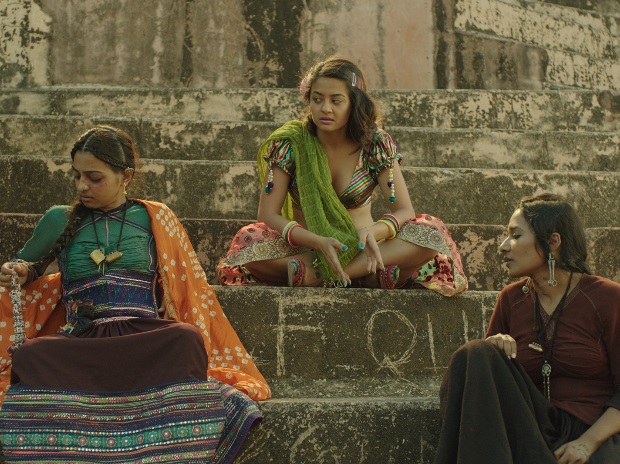
बहरहाल, 'पार्च्ड' अपने उस एजेंडे में पूरी तरह कामयाब है, जिसमें स्त्री की जिंदगी, स्त्री के लिए, स्त्री के हाथों में और स्त्री के द्वारा तय होने की मंजिल तक पहुंचती है। हो सकता है कि 'पार्च्ड' की चारों स्त्रियों ने कथित मुख्यधारा के स्त्रीवाद का कोई आख्यान नहीं रचा हो, लेकिन कहीं उन्होंने मर्दवाद के भरोसे से बाहर खुद पर भरोसा किया, कहीं मर्दवाद को आईना दिखाया, कहीं मर्दवाद के बरक्स खड़े मर्द को स्वीकार किया तो कहीं मर्दवाद का मुंह तोड़ दिया। यानी यह कथित मुख्यधारा का स्त्रीवाद नहीं भी हो सकता है, लेकिन मर्दवाद के सिंहासन के पाए जरूर तोड़े।
दरअसल, 'पार्च्ड' में स्त्री की जमीनी हकीकतों का सामना जो स्त्रियां करती हैं, उन्होंने कोई क्रांति या स्त्रीवाद की पढ़ाई नहीं की है, लेकिन जहां उनके सामने 'आखिरी रास्ता' का चुनाव करने का विकल्प बचता है, वहां वे पुरुषवाद और पितृसत्ता की कुर्सी के पायों की चिंदी-चिंदी करके रख देती हैं। मुमकिन है, उसे स्त्रीवाद की क्लासिकी के दायरे में न गिना जाए। लेकिन स्त्री के अपनी जिंदगी को इसी सिरे से बरतने की पृष्ठभूमि में स्त्रीवाद की सैद्धांतिकी तैयार होती है।
लज्जो अपने 'बांझ' होने को तब तक मजाक बना कर जीती है और पति के हाथों यातना का शिकार होती है, जब तक बिजली उसे यह नहीं बताती कि 'बांझ' उसका पति भी हो सकता है। ('बोल'- जिसमें बेटी या बेटा होने के लिए मर्द जिम्मेदार है।) वह पति, जिसकी मर्दानगी हर अगले पल जागती है और उस वक्त तूफान की शक्ल अख्तियार कर लेती है, जब लज्जो उसे यह खबर देती है कि उसकी नौकरी पक्की हो गई है, नियमित पगार मिलेगी। इस पर उसके पति को अपनी 'जरूरत खत्म होने' के डर और मर्द अहं को ठेस लगने के दृश्य को जिस तरह फिल्माया गया है, वह केवल एक मर्द की नहीं, बल्कि समूचे पुरुषवाद की कुंठा का रूपक है। इसके अलावा, पति के मशीनी संवेदनहीन सेक्स और संतान पैदा करने की अक्षमता का दंश झेलते हुए बिजली के जरिए लज्जो जब एक बाबा के साथ सेक्स के जीवन-तत्व और सम्मान को जीती है और गर्भ लेकर पति को बताती है तो यह खबर पाते ही पति को जो सदमा लगता है, वह उसे खुद उसकी ही मर्दानगी के हमले की आग में जला डालता है।
लज्जो के चरित्र की व्याख्या मर्दवाद के केंद्र पर चोट करती है।
इधर पत्नी से ज्यादा रुचि दूसरी औरत में लेने वाले पति की मौत और अपने बेटे के बाल-विवाह के बाद रानी अपने लिए 'शाहरुख खान' के प्रेम की उम्मीद में खुश होती है। फिर बेटे के भी अपने पति की राह पर चले जाने के बाद बच्ची जैसी बहू के साथ खड़ी हो जाती है, उसे उसके प्रेमी के साथ किताब देकर विदा करती है।
जानकी ने बाल विवाह के बाद के जीवन से लेकर बलात्कार तक की त्रासदी को जिस तरह जीवंत किया है, अपने पति के भीतर के मर्द की मार से उपजी पीड़ा को जो भाव और अभिव्यक्ति दी है, वह हैरान करती है। भविष्य के लिए सिनेमा को एक बेहतरीन कलाकार मुबारक।
और समाज की जुगुप्सा के हाशिये पर खड़ी, लेकिन मर्दानगी की अय्याशी के लिए जरूरी बिजली ने ऊपर की तीनों महिलाओं की आंखों को जिस तरह फाड़ कर खोला, लज्जो को बताया कि बच्चा होने या नहीं होने के लिए उसका पति भी जिम्मेदार हो सकता है… लज्जो के साथ-साथ रानी को भी बताया कि सेक्स का मतलब केवल शारीरिक नहीं, दिमागी-मानसिक स्तर पर भी चरम-सुख होना चाहिए… लज्जो, रानी और जानकी, तीनों को बताती है कि गालियां केवल औरतों के खिलाफ इसलिए होती हैं कि इन्हें मर्दों ने बनाया है तो वह एक गंभीर बागी लगती है। और जब परदे पर चारों महिलाओं के मुंह से एक साथ गालियां गूंज रही थीं, तो समूचे सिनेमा हॉल में मैं अकेला था जो ताली बजाने लगा! हालांकि मैं किसी भी तरह की गाली के खिलाफ अब भी हूं! देह-व्यापार की त्रासदी को जिस तरह बिजली में उतरता हुआ पाते हैं, वह शायद सबको हिला देगा। लेकिन अपनी बाकी तीनों दोस्तों यानी लज्जो, रानी और जानकी को जिंदगी का सपना भी वही यानी समाज के लिए घिनौनी एक वेश्या ही देती है।
'ये सारी गालियां मर्दों ने ही बनाई है…' 'मर्द बनने से पहले इंसान बन जा…' या 'देखता हूं, मर्द के बिना इस घर का काम कैसे चलता है..' जैसे कई डायलॉग तो सिर्फ बानगी हैं यह बताने के लिए कि फिल्मकार ने अपने एजेंडे को लेकर कितना काम किया है। खासतौर पर रानी का अपने किशोर बेटे को यह कहना कि 'मर्द बनने से पहले इंसान बन जा' उन तमाम आंदोलनों को आईना दिखाता है, जिसमें मर्दों से उनके सुधरने के लिए 'शास्त्रीय संगीत' के लहजे में स्त्री का सम्मान करने की फरियाद की जाती है…!
खैर, आजादी का एहसास करने फटफटिया पर बैठ कर निकल पड़ी तीनों या चारों महिलाएं जब नदी में निर्वस्त्र होकर नहाती हैं, तब वहां किसी कृष्ण के फटकने की जगह नहीं होती जो इन महिलाओं के कपड़े लेकर पेड़ पर भाग जाए! यानी हर अगले दृश्य में यह फिल्म मर्दवाद और पितृसत्ता के खिलाफ स्त्री के सपने को एक नया आयाम देती है। इस सपने को किसी भी पुरुष के भरोसे पूरा नहीं होना है। जानकी के चोर और अय्याश पति का भाग जाना है, जानकी को उसका प्रेम हासिल हो जाना है, जो जाते समय उसकी किताबें और थैला थामता है, लज्जो के पति का जिंदा जल जाना है और रानी के 'शाहरुख खान' का पीछे छूट जाना है। आखिर समाज और परंपरा की दी हुई शक्ल को नोच और फेंक कर नई शक्ल के साथ जब बिजली, रानी और लज्जो एक चौराहे पर खड़ी होकर इस सवाल का सामना करती हैं कि अब राइट जाएं या लेफ्ट, तो आखिर में जवाब आता है कि इस बार तो हम तीनों अपने दिल की सुनेंगे…!
यहां इन्हें बचाने या इनका उद्धार करने के लिए के लिए कोई पुरुष नायक नहीं आता, शहरों की पढ़ी-लिखी और इंपावर महिलाओं को अपनी लड़ाई के लिए किसी पुरुष हीरो की छांव की जरूरत होती होगी, लेकिन गांव की अनपढ़ और साधनहीन 'पार्च्ड' की तीनों स्त्रियां जब घर की दहलीज से निकल जाती हैं तो वे अपने आप पर भरोसे से लबरेज होती हैं, उन्हें किसी हीरो की तलाश नहीं होती, अगर कोई 'शाहरुख खान' हीरो होना भी चाहता है तो वे उसे भी पीछे छोड़ कर निकल जाती हैं। इससे ज्यादा और साफ-साफ क्या कहा जा सकता था कि जिंदगी को जिंदगी तरह जीने की राह क्या हो सकती है..! गांव में कपड़े और वेशभूषा के हिसाब से ही दलित-वंचित परिवारों की महिलाओं को पहचान लिया जा सकता है। तो इनके जीवट का अंदाजा लगाना क्या इतना मुश्किल है…! इससे ज्यादा पहचानना हो तो बिजली (स्त्री) के लिए दलाली करने को तैयार 'राणा' और पहले से दलाली करते 'शर्मा-वर्मा' (पुरुष) की साफ घोषणा का आशय समझा जा सकता है। 'राणा' और 'शर्मा-वर्मा' का मतलब आज के दौर में अलग से समझाने की जरूरत नहीं पड़नी चाहिए।
बाकी टीवी, मोबाइल, स्थानीय कला को बेचने वाले एनजीओ वगैरह सिर्फ सहायक तत्त्व हैं। कहानी का केंद्र इनके सहारे नहीं, जानकी, बिजली, रानी और लज्जो के भरोसे टिका है।
पुनश्च- एकः इस फिल्म में कमी के बिंदु मेरी निगाह में बस एक है- लज्जो के पति का घर में लगी आग में जलना और दूसरी ओर जश्न के तौर पर रावण के पुतले को जलाना। जब तीनों-चारों महिलाओं के नदी में निर्वस्त्र होकर नहाने के समय किसी कृष्ण को उनका कपड़ा लेकर पेड़ पर भाग जाने की कथा को खारिज किया गया, तो उसी सिरे से रावण-दहन से बचा जा सकता था, राम को भी कृष्ण की तरह खारिज किया जा सकता था। दोः 'पार्च्ड' सिनेमा आखिर किसके लिए बनाई गई है, उसका दर्शक वर्ग कौन होगा? 'पिंक' जैसी फिल्में भी किसी पीवीआर के साथ-साथ 'रीगल' जैसे साधारण सिनेमा हॉल में भी लगी थीं। इसलिए 'पिंक' तक आभिजात्य और साधारण, दोनों तबके पहुंचे। जबकि 'पार्च्ड' कम से कम दिल्ली के पीवीआर या ऐसे ही और बहुत कम और बेहद महंगे सिनेमा हॉल में लगी है। अंदाजा लगाइए कि यह फिल्म किस तबके की कहानी कहती है और उस तक पहुंचने और मनोरंजन करने वाले लोग किस तबके के ज्यादा होते हैं। बहरहाल, स्त्री और स्त्रीत्व से जुड़े मुद्दे पर फिल्म बनाते हुए शुजित सरकार और Linaa Yadav की फिल्मों ने बताया है कि एक ही विषय को डील करते हुए एक पुरुष और स्त्री की दृष्टि में कैसा और कितना फासला हो सकता है। पुरुष को साहस करना पड़ता है, इसलिए चीजें छूटेंगी या फिर गड़बड़ा जाएंगी, लेकिन स्त्री के पास अगर उसकी अपनी, अपने स्व की दृष्टि है तो उस गड़बड़ी को आमतौर पर संभाल लेगी। यह अंतर साफ करके सामने रखने के लिए लीना यादव से लेकर लहर खान तक को बहुत शुक्रिया…!
The U-turns by Prime Minister Narendra Modi and failure to deliver on key election promises have only made him the target of attack by his political rivals, but even his die-hard supporters appear to be now parting ways with the BJP.
As reported by jantakareporter.com on Saturday, Modi’s speech on Uri attack had left his supporters incredibly dejected. considerably large section of Modi’s fans are unhappy because of his failure to keep his word with regards to India’s Pakistan policy.
A new audio of a conversation recorded allegedly between a member of the BJP’s Uttar Pradesh IT cell and a former Modi supporter, Deepak Sharma, has now gone viral on social media platforms.
In the audio, the BJP IT cell representative is heard trying to woo Sharma back to the party ahead of the UP assembly polls.
Sharma, who confesses to having worked for Modi’s campaign in 2014, uses the opportunity to vent out his frustration on the prime minister’s failure to deliver his poll promises.
The audio was first posted by user Pratik Sinha on his Facebook page. We are not in a position to authenticate the audio.
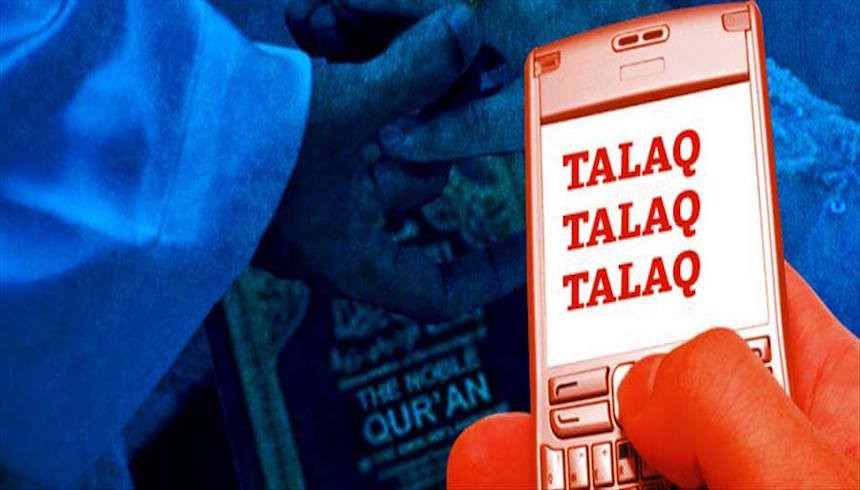
The chorus against the triple talaq practice through which Muslim men instantly snap their marital bond just got louder.
In the latest development, the chairperson of the Andhra Pradesh and Telangana state minorities commission of Telangana and Andhra Pradesh, Abid Rasool Khan, has addressed a letter to the president of the All India Muslim Personal Law Board (AIMPLB), Moulana Syed Mohammed Rabe Hasani Nadvi, urging the Board to immediately declare that henceforth the utterance talaq, talaq, talaq will be treated as one only and therefore revocable.
"Today we have a huge social problem in the Muslim community where literally lakhs of women all over the country are suffering because their men have divorced them by pronouncing talaq thrice [in one sitting]," the letter said.
"I would like to alert you that if you (AIMPLB) insist on the triple talaq, you will be committing injustice to literally lakhs of our sisters and opening the doors for the Supreme Court to strike down this law as it is seen as being in violation of human rights," it added.
Citing the examples of the Sati (Prevention) Act, 1987, providing for “the more effective prevention of the commission of sati and its glorification” which made the earlier act far more stringent and the recent verdict of the Bombay High Court upholding women’s right to equal access, on par with men, to the Haji Ali dargah, the letter warned of a similar fate awaiting the triple talaq practice.
Going a step further the letter also warned the Board and the Jamiatul Ulema that "this (triple talaq) has become an issue which has the potential to escalate and cause the eventual de-recognition of our personal law and the imposition of a uniform civil code," he said.
Latest Sanghi Attack on the University: performance of Mahasweta Devi play is branded 'sedition'! At Central University of Haryana, Mahendragarh, English Department students performed Mahasweta Devi's noted play 'Draupadi' on September 21
ABVP, RSS leaders joined by Modi's Minister for State Rao Inderjit reportedly claimed the play is 'anti-national' because it depicts an Adivasi woman confronting the commander of security forces who have raped her.
After the play was staged, a teacher at the department cited statistics from the National Crimes Record Bureau (NCRB) on custodial sexual violence against Adivasi women.
Reports coming in suggest that several persons with links to the Rashtriya Swayamsevak Sangh (RSS) and the Minister have mobilised ex-service-men by showing them clips from the play and the short speech cut out of the overall context. They are demanding that the teachers and students be booked for 'sedition.'
I am informed that there is a sizeable a menacing crowd at the University gates, and a distinct danger to the safety of the English Department students and teachers.
I notice in a news report that the VC, while saying that the 'protests' against the play are politically motivated, has constituted an enquiry committee including himself, as well as some literature teachers and an army man into the event. This is disturbing.
Can army men or even VCs now act as censor board for academic departments and faculty?
Can an academic department not perform and discuss a play by a world-renowned writer, whom even Modi and Shah claimed to mourn on her death not long ago?!
Is it even possible to discuss Draupadi as a play without talking about the context of systematic custodial atrocities against Adivasi women in India?!
Despite diplomatic tensions, Indian and Pakistani actors and singers have had a long history of collaboration, starting from Independence.
The cricket world has been left poorer ever since India and Pakistan drastically cut down their engagements on the field after 2008, because of Islamabad’s alleged support for cross-border terrorism. In the wake of the Uri attack on September 18, will cinema, television and music be permanently damaged too?
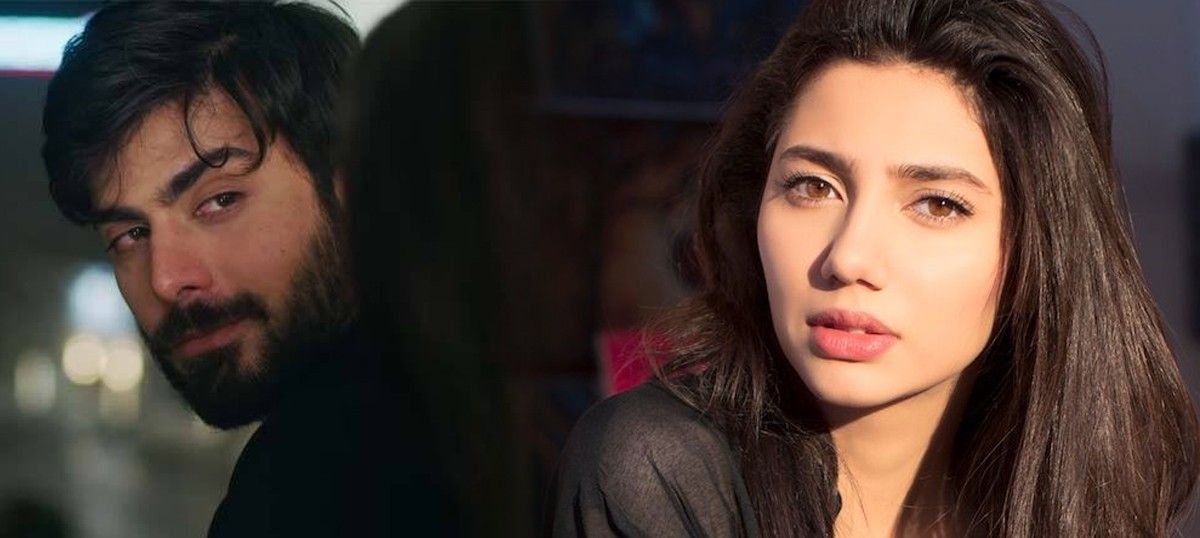
Putting it another way: Is Fawad Khan’s career in India finished before even properly taking off?
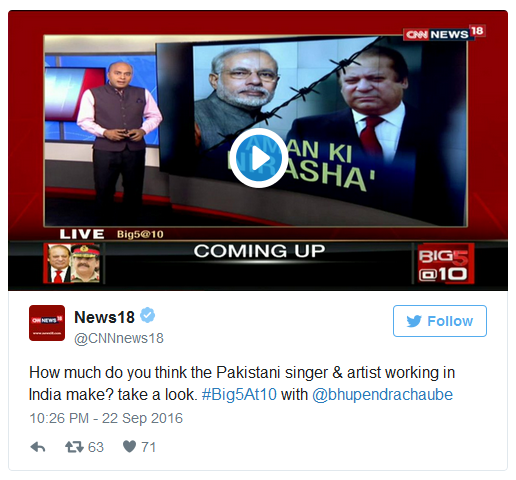
The attack on the Army camp in Uri has prompted Subhash Chandra, the head of the Zee network, to declare that he will stop airing Pakistani serials on his popular channel Zindagi, which has introduced Indians to several Pakistani actors, including Fawad Khan. The demand that Pakistani talent should not be allowed to work in India has found support beyond familiar rabble-rousers such as the Maharashtra Navnirman Sena and the Shiv Sena. It wasn’t Times Now's Arnab Goswami who wanted Fawad Khan to Quit India, but CNN News18 anchor Bhupendra Chaubey.
Doubts are being raised about the fate of upcoming films such as Ae Dil Hai Mushkil, which stars Khan in a small role, and movies still under production such as Mom, starring Sridevi and Sajal Aly, and an untitled Yash Raj Films project featuring Danyal Zafar, the brother of the singer and actor Ali Zafar.
Over the years, Pakistani actors and singers have managed to escape the ultra-nationalist heat that has inevitably followed major terrorist strikes. They would lie low, ride out the calls for retribution and be back on the screen in a matter of weeks. That was before the rise of the Bharatiya Janata Party government at the Centre, the proliferation of troll armies on social networking sites, the war-mongering on TV channels like Times Now and CNN News 18, and the polarisation of the movie industry into liberals, centrists, and proud ultra-rightwingers like the singer Abhijeet and actor Anupam Kher.
By training their verbal weapons on Pakistani artists working in India, the BJP’s supporters have managed to vitiate the co-operation that has marked Indo-Pakistani cultural encounters since Independence.
Partition saw a flight of talent from India to Pakistan and vice versa. Indian films were still being released in Pakistan after 1947. But by the mid-1950s, severe restrictions began to be placed on their distribution to boost the growth of the local film industry, known as Lollywood because it was headquartered in Lahore. “The restriction on Bombay films opened a new free and non-competitive market for local productions,” writes Mushtaq Gazdar in Pakistani Cinema 1947-1997. “1956 proved to be the most fruitful year of the first decade in terms of box-office returns from indigenous cinema.”
That year, two Indian actresses appeared in Pakistani productions: Sheila Ramani, of Taxi Driver fame, and Meena Shorey, who had charmed audiences in the song Lara Lappa in the 1949 movie Ek Thi Ladki. Ramani played the lead in Anokhi, produced by her uncle Sheikh Latif, and the music was composed by Bengali composer Timir Baran, “who came from India for this purpose”, writes Gazdar. Ramani returned to India and faded out after a few films.
Meena Shorey. Courtesy Upperstall.
Meena Shorey (born Kurshid Jehan) was the heroine of the Pakistani production Miss 56, directed by JC Anand. She was accompanied by her husband, Ek Thi Ladki director Roop K Shorey, who had to return to India after Meena Shorey decided to stay on in Lahore.
Many Indian directors and actors, including Zia Sarhady and Noor Jehan, migrated to Pakistan between the ’40s and the ‘60s and contributed to the consolidation of the indigenous industry. Pakistani cinema had its own star system and musical talent, but on occasion, it borrowed Indian singers such as Hemant Kumar and Sandhya Mukherjee for Humsafar (1960).
‘Akhiya Chalke’ from the Pakistani film ‘Humsafar’ (1960).
The Merchant-Ivory Production Bombay Talkie (1970), about a married film star’s dalliance with an American writer, stars one of the best-known Pakistani actors and voice artists. Zia Mohyeddin had appeared in several plays in London, including as Dr Aziz in a BBC adaptation of EM Forster’s A Passage to India in 1965. In Bombay Talkie, Mohyeddin plays Hari, a frustrated writer who is love with the American writer, played by Jennifer Kendal.
‘Bombay Talkie’ (1970).
Over the years, big-name Pakistani actors made appearances in Hindi films, including Nadeem in Ambrish Sangal’s Door Desh (1983) and Talat Hussain in Sawan Kumar Tak’s melodrama Souten Ki Beti (1989). Zeba Bakhtiar, the daughter of former Pakistan Law Minister Yahya Bakhtiar, played the lead along with Rishi Kapoor in Raj Kapoor’s cross-border romance Henna (1991). The story of a Kashmiri (Rishi Kapoor) who strays across the Line of Control after a bout of amnesia was inspired by the Pakistani classic Lakhon Mein Eik. Directed by Raza Amir in 1967, and based on a story by Zia Sarhadi, Heena has dialogue by legendary Pakistani television writer and playwright Haseena Moin, who wrote such iconic TV shows as Dhoop Kinare and Tanhaiyaan.
Bakhtiar was briefly married to singer and composer Adnan Sami, who became an Indian citizen in January 2016.
Among the Pakistani actors who have enlivened Hindi cinema through standout cameos is Salman Shahid. He plays a Taliban fighter in Kabul Express (2006) but is better known as Mushtaq Bhai, the hoodlum who tries in vain to tame Iftikhar (Naseeruddin Shah) and Babban (Arshad Warsi) in Abhishek Chaubey’s Ishqiya (2010) and Dedh Ishqiya (2014).
‘Ishqiya’ (2010).
The patrician Javed Sheikh has had a longer run, starring in John Matthew Matthan’s Shikhar (2005), Shirish Kunder’s Jaan-E-Mann (2006), Farah Khan’s Om Shanti Om (2008), Anil Sharma’s Apne (2007), Vipul Shah’s Namastey London (2007) and Imtiaz Ali’s Tamsaha (2015). Sheikh’s most recent release is the cross-border rom-com Happy Bhaag Jayegi (2016) by Mudassar Aziz, who also stars his daughter, Momal Sheikh.
India-Pakistani co-productions are rare, but two examples stand out. One is Khamosh Pani (2003), directed by Pakistani director Sabiha Sumar, written by Indian filmmaker and writer Paromita Vohra , and starring Kirron Kher and Shilpa Shukla. The moving period drama, about a widow’s troubled relationship with her radicalised son, won the Best Film (Golden Leopard) prize at the Locarno International Film Festival.
Kirron Kher in ‘Khamosh Pani’.
Nandita Das crossed over to the other side to appear in Mehreen Jabbar’s Ramchand Pakistani (2008) as Champa, a Pakistani Hindu woman whose husband and son stray into India. Naseeruddin Shah has also been appearing in Pakistani films, such as Shoaib Mansoor’s Khuda Kay Liye (2007) and Zinda Bhaag (2013), by Meenu Gaur and Farjad Nabi. Khuda Kay Liye, which starred Pakistani superstar Shan and Fawad Khan, was released by Eros Entertainment in India, followed by Mansoor’s Bol in 2013. Two of Bol’s lead actresses, Humaima Malick and Mahira Khan, have been signed up by Bollywood. Malick headlined the Emraan Hashmi-starrer Raja Natwarlal (2014), while Mahira Khan has been paired with Shah Rukh Khan in the 2017 release Raees.
Nandita Das in ‘Ramchand Pakistani’ (2008).
India has also been able to share the talent of Pakistani musicians over the years. ChupkeChupke, the popular ghazal by Ghulam Ali, whose concerts in India have been regularly blocked by Shiv Sena, was used in BR Chopra’s marital drama Nikaah (1982).
Subhash Ghai recruited renowned Pakistani folk singer Reshma to record her classic love ballad, Lambi Judai, for his romance Hero (1983). In a 2004 interview, Reshma, whose family left Rajasthan for Pakistan when she was a toddler, said, “I was born in India and brought up in Pakistan. To me, India and Pakistan are the left and the right eyes.”
One of the greatest Pakistani exports in music is the qawwal Nusrat Fateh Ali Khan, who recorded several songs in collaboration with Indian musicians and lyricists, including remixed versions of Piya Re and AafreenAafreen (with lyrics by Javed Akhtar) and Gurus of Peace with AR Rahman.
‘Aafreen Aafreen’ by Nusrat Fateh Ali Khan.
Numerous Pakistani singers and bands have followed in Khan’s footsteps, including his nephew Rahat Fateh Ali Khan, Strings, Ali Zafar (who has also acted in Tere Bin Laden and Kill Dill), Shafqat Amanat Ali Khan and Atif Aslam. Rahat Fateh Ali Khan, Shafqat Khan and Aslam are especially popular in India. Rahat Fateh Ali Khan is one of Hindi cinema’s leading singers, most recently singing the hit trackJag Ghoomeya from Sultan (2016).
Shafqat Khan has sung Mitwa (Kabhi Alvidaa Naa Kehna, 2006), Tere Naina (My Name Is Khan, 2010) and Manchala (Hasee Toh Phasee, 2014). Aslam has crooned the hits Tere Bin(Bas Ek Pal, 2006), Pehli Nazar Mein (Race, 2008) and Jeena Jeena (Badlapur, 2015). Indian musicians too feature on Coke Studio Pakistan, such as Shilpa Rao in the 2016 edition.
Subhash Chandra’s decision to stop airing Pakistani soaps on Zindagi also casts a shadow over the Zeal For Unity initiative, which is aimed at promoting peace between India and Pakistan. The idea is to produce 12 short films by six Indian and six Pakistani filmmakers. Ketan Mehta has directed an adaptation of Saadat Hasan Manto’s short story Toba Tek Singh while Tigmanshu Dhulia has been recruited for Baarish Aur Chowmein. From Pakistan, Shahbaz Sumar has made Khaema Mein Matt Jhankain, a rural-set satire about a travelling circus, while Gaur and Nabi have helmed the reality show spoof Jeewan Hathi, starring Naseeruddin Shah among other actors. “Salaam or Namaste, it’s one and the same,” says Khalid Ahmed, one of the dozen filmmakers, in the promotional video. Not anymore, not after Uri.