Home Blog Page 2507

Bastar Speaks Up: Stop War on Adivasis

0


Stop War on Adivasis, says the banner at Devraj Hall in Mumbai, as people from different walks of life, the elderly, students from colleges and professionals gather to listen to the voices from Bastar.

Chhattisgarh is in turmoil, with tribals being thrown into jail with false charges or worse, being killed in fake encounters. But even as the state continues to try and suppress and criminalize all voices from Bastar, there are many who continue to risk their lives daily to ensure that amid the Acche Dins, the voices of the people of Bastar are heard, somewhere, somehow.

Mainstream media has always been silent and largely ignores the atrocities committed by the state in Bastar, even as news sources fervently reported the Prime Minister’s visit to Chhattisgarh, only to sign MoUs in the state, without the people’s consent. Consent, it seems, has been long forgotten by the state.

Take the example of Raigarh, for instance, 26000 acres of fertile land was given to corporates, without consent of the people. Those who try to protest and raise their voices against such land grabs are quickly met with consequences such as harassments, threats and false arrests under the guise of them being Maoists.

Justice Prabhakar Gwal, Ex-CJM of Sukma district was also present at the event, one of the few judges that support the people’s struggle against the systematic oppression by the state, has himself been subject to threats, harassment and violence by the state and its’ agents, like many other government officials who try to help the people of Bastar.

Linga Kodopi, Journalist and Activist from Bastar, spoke of his journey of becoming a journalist and activist in response to what he had been witnessing. Kodopi was actively involved in the people’s struggle in Bastar and was arrested and tortured by the police, spent many days locked up in filthy conditions and faced repeated torture from police officials.

Kodopi started following incidents of state oppression in Bastar and would immediately go to affected districts to investigate in-depth, and became a strong voice against the injustices of the state in Bastar. Kodopi shared first hand experiences from the ground, separating facts from fiction as he recounted the incidents surrounding the ‘encounter’ of Makdam Hidme, police brutality towards her and those who tried to protect her and the malice with which she was murdered. He also talked about Salwa Judum, its’ spread across 5 camps in Bastar and Dantewada, who played a major role in many atrocities reported across the state, including the attack on Soni Sori and threatening members of JagLAG (Jagdalpur Legal Aid Group)

    “ …From mid 2015, the Police has been rounding up hundreds and detaining young Adivasi men in special security camps for days. Some have been beaten and released, others officially arrested and many are still missing. Mass detentions were followed by ‘mass surrenders’, as police claimed they surrendered voluntarily. Local accounts suggest otherwise. Surrenders were followed by encounters, and as the death toll continued to rise, people were confronted with mass rapes by uniformed personnel..”
    —Bastar Solidarity Network, Mumbai

Tales from Bastar are too many to recount, and the number people whose lives have been destroyed and turned upside-down because of the cruelty of security forces and the state of Chattisgarh are even more. Stories of children being killed, of the elderly being abused, of the women being raped and mutilated continue to turn up in the warzone that Bastar has become. Activists from Bastar call to the civil society to raise their collective voices; it is time to speak up for Bastar!


Courtesy: IndiaResist.com


Why is the Modi Government Backing Out of OBC Reservations?

0


The Modi Government is trying to scuttle reservation of OBC students in admissions at various centrally funded institutes. While trying to capitalise on the issue of the OBC identity electorally (2014 Lok Sabha Elections and 2016 state elections) it is, when it comes to representation of OBCs within universities, clearly indulging in doublespeak.

Besides the Modi government and the Ministry of Human Resources Development (MHRD), have also notified draconian unjustifiable office order of the University Grants Commission (UGC)- bearing F.No.59-6/2012 (CU)– dated June 3, 2016 — which stipulates central universities in India to implement OBC reservations in the recruitment of teachers only at the level of Assistant Professor. Interestingly, for the same faculty recruitment in IIT, OBC reservation is applicable for all the three levels: Assistant Professor, Associate Professor and Professor.

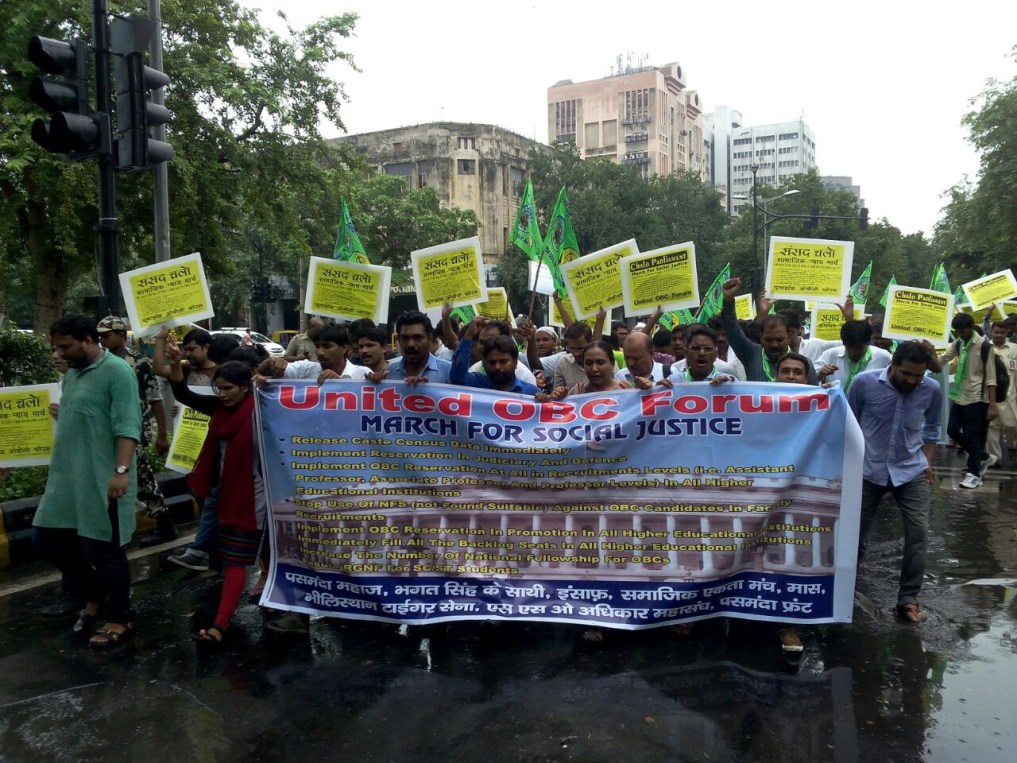
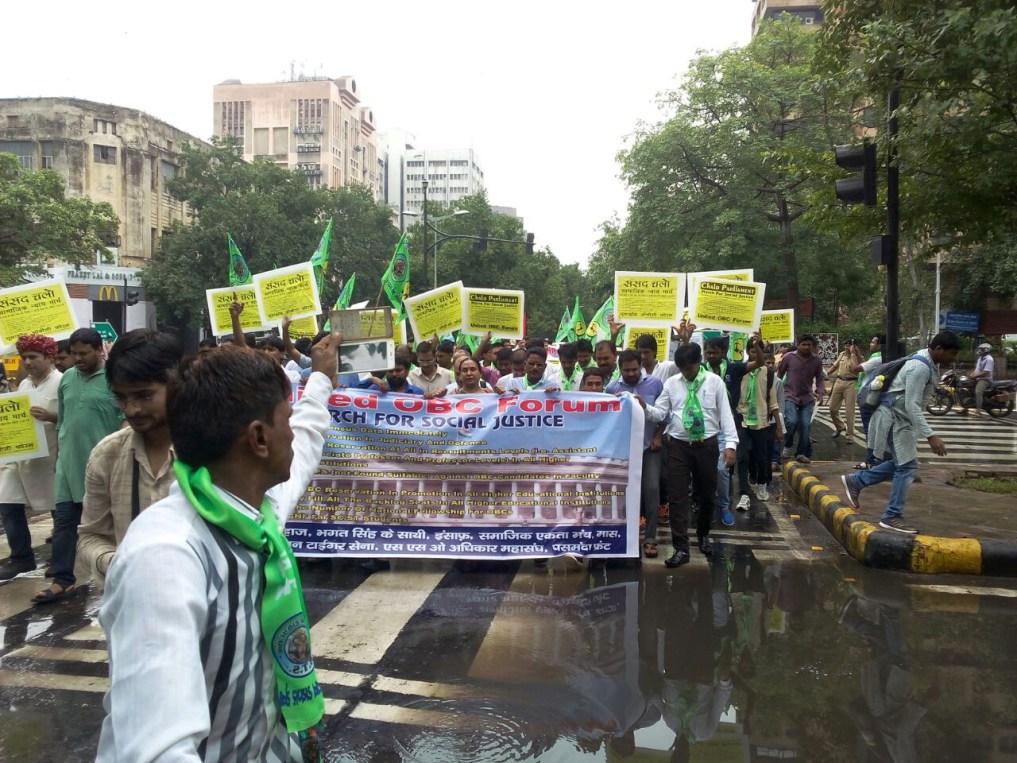
The Social Justice March scheduled to be held during the current session of Parliament has demanded a rollback of this unjustified office order issued by UGC.The Other Backward Classes (OBCs) have been subjected to multiple forms of marginalities, not least of being adequate representation in academic institutions. The United OBC Forum that has been constituted, is a socio-cultural platform of young students and aims to resolve the issue of non-representation/non-implementation of OBC reservation by various government educational institutions.

Parliament Debates on OBC Representation in Academia
On the crucial issue of vacancies in the OBC quota within educational institutions, Samajwadi Party(SP) member of Parliament, Dharmendra Yadav had squarely put the Modi government in the dock earlier this year.
 [First Published on Mar 14, 2016: Samajwadi Party MP Dharmendra Yadav commenting on HRD Minister Smriti Irani’s reply over reservation to OBCs  in Central Universities]
 
 In reply to his question, the government of India had provided figures to him that related to the number of OBCs within academia in the Central Universities. These are:
 
♦ In the Central Universities of the 2371 positions for the post of ‘Professors’ there is only one OBC
♦ In the Central Universities, of the 4708 positions for associate professors only 6 belong to the OBCs
♦ In the Central Universities, of the 9521 positions for assistant professors, only 1745 belong to the OBCs
 
The Mandal Recommendations are clearly not being followed. They said that 27 per cent reservations should be applied within the Central Universities as well.
 

It is within this backdrop that the United OBC Forum has organized Social Justice March to Parliament. Mobilization of people from different parts of India has taken place. This movement has got participation by the people from Gujarat, Andhra Pradesh, Telangana, Uttar Pradesh, Bihar, Madhya Pradesh and Rajasthan.

In the wake of preparation of the march, members of United OBC Forum have met leaders from different political parties and affiliations: Leaders like Mr. Sharad Yadav, Mr. Laloo Prasad Yadav, Mr. Upendra Kushwaha, Mr. Tejasvi Yadav, Mr. V Hanumantha Rao have been lending support on this issue.
 

बुरहान से तुलना किये जाने पर आईएएस शाह फ़ैसल ने मीडिया को जंगली कहा !

0

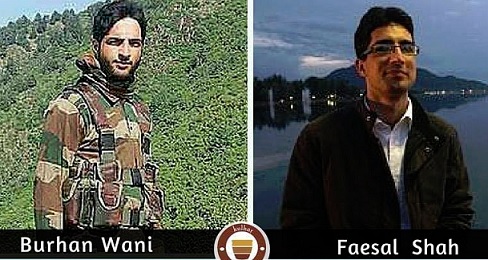
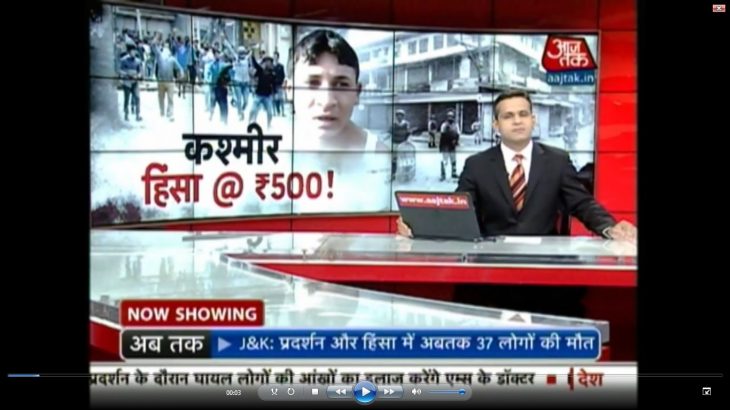
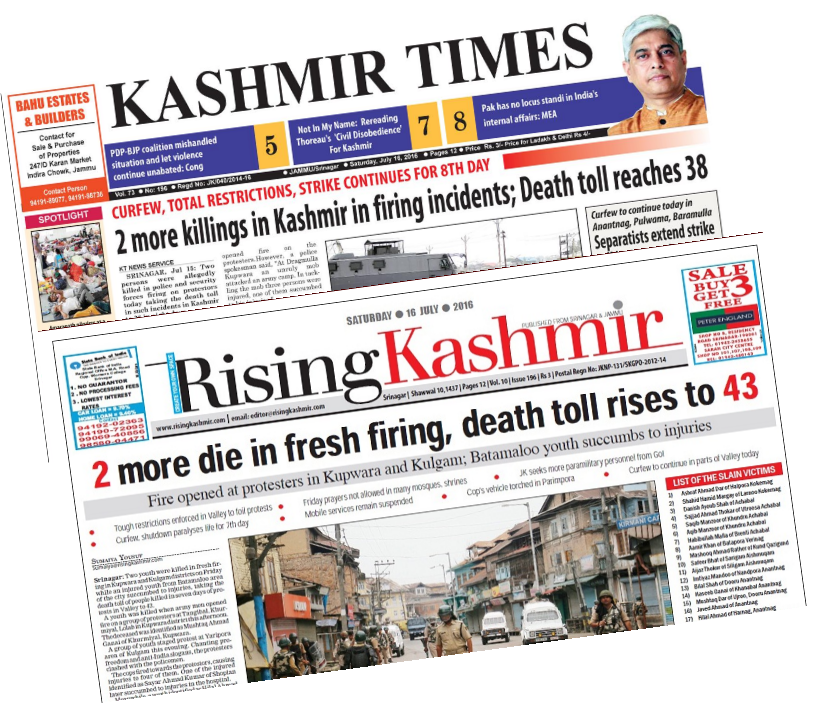
इन दिनों कई अख़बार और चैनल कश्मीर में मारे गये हिजबुल कमांडर बुरहान वानी और 2009 में आईएएस परीक्षा टॉप करने वाले शाह फैसल की तुलना कर रहे हैं। कश्मीर में तैनात शाह फ़ैसल ने इसे राष्ट्रीय मीडिया के एक हिस्से का जंगलीपन करा देते हुए एक फ़ेसबुक पोस्ट लगाई है। उन्होंने जो लिखा है, उसका अनुवाद यहाँ पेश है—   
 
"राष्ट्रीय मीडिया के एक हिस्से ने एक मारे गए लड़ाके की तुलना में मेरी तस्वीर सामने रखकर एक बार फिर अपना जंगलीपन ज़ाहिर कर दिया है। मीडिया इस हरकत से सिर्फ झूठ, आपसी दरार और नफ़रत को बढ़ावा दे रहा है।

अभी जब पूरा कश्मीर यहां हुई मौतों पर मातम कर रहा है, तब लाल और नीले न्यूज़रूम से सिर्फ दुष्प्रचार और उन्माद निकल रहा है। इसकी वजह से कश्मीर में अलगाव और गुस्सा बढ़ रहा है जिसे भारत सरकार संभाल सकता है।

 मेरी निजी तकलीफों से इतर, तस्वीरें लगाकर की जा रही घटिया बहसों ने मुझे बुरी तरह परेशान किया है। क्या मैंने आइएएस सिर्फ एक नौकरी के लिए ज्वाइन किया था या फिर आपकी प्रोपगंडा मशीनरी का हिस्सा होने के लिए ?

 सच तो ये है कि जब मैंने ये एग्ज़ाम क्वालिफाई किया था तब भी अपनी पूरी ज़िंदगी बैठकर डेस्क रगड़ने के बारे में नहीं सोचा था लेकिन अगर ऐसी मूर्खताएं मेरे आसपास होती रहीं तो मैं बहुत जल्द इस्तीफ़ा देना पसंद करूंगा।

मैं उसी बयान को दोहरा रहा हूं जो मेरे जूनियर साथी यासीन चौधरी ने इससे पहले अपनी फेसबुक पोस्ट में कहा था। उन्होंने लिखा है, 'ज़ी न्यूज़, आजतक, टाइम्स नाऊ और न्यूज़ एक्स आपको कश्मीर की सच्चाई नहीं बताएंगे। मेहरबानी करके अपने दिमाग़ पर ज़ोर डालें।

कोई भी सरकार अपने नागरिकों को चोट नहीं पहुँचाना चाहेगी, और जब राज्य अपने ही नागरिकों को मारता-अपाहिज बनाता है तो दरअसल वह खु़द को ज़ख़्मी और बरबाद करता है। कोई भी सरकार अपने ही नागरिकों के इस दर्द से खुद को अलग नहीं कर सकती और इस संकट से पार पाने के लिए कोशिशें हो रही हैं और इसमें वक्त लगने जा रहा है।

 तब तक हमें ऐसे आग लगाऊ गिरोहों से बचकर रहना होगा जो सिर्फ टीआरपी हासिल करने के लिए कश्मीर को आग के हवाले कर देना चाहते हैं।

आइए, उनके लिए दुआ करें जिन्होंने इस उत्पात में अपनी जान और आँखों की रौशनी गँवा दी है। आइए, कंधे से कंधा मिलाकर सच के साथ खड़े होते हैं। मेरे पास इंटरनेट की सुविधा नहीं है लेकिन आज जब मैंने अपनी टाइमलाइन देखी तो मुझे एहसास हुआ कि अब मुझे चुप्पी तोड़नी चाहिए। इन्ना लिल्लाही वा इन्ना-इलाही राजिऊन।"
 
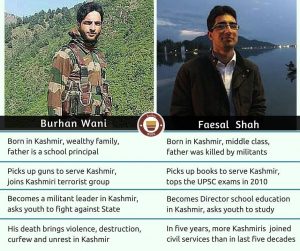
(शाह फैसल ने 2009 में यूपीएससी की परीक्षा टॉप की थी। वह कुपवाड़ा के रहने वाले हैं और चरमपंथियों ने उनके शिक्षक पिता की उस वक्त हत्या कर दी थी जब फैसल महज़ 9 साल के थे। फैसल फिलहाल शिक्षा विभाग, जम्मू-कश्मीर के निदेशक हैं।)

ज़रा एक नज़र देखिये कि 'राष्ट्रवादी' किस तरह तुलना कर रहे हैं–

faisal2

Courtesy: MediaVigil.com

Gaza – a city no one wants

0

Palestine and its Arabic neighbours
The Gazans have been abandoned and left in the hands of Hamas to do with them as they please. This policy is transforming Gaza slowly but steadily into a hotbed of radicals. By Abdalhadi Alijla

As Palestinians commemorate the 68th anniversary of the Nakba, "catastrophe" in Arabic, when the indigenous people of Palestine were driven into exile and the Israeli state was established, a new Nakba is taking place. This new Nakba is the political division between Hamas and Fatah.

The day-to-day life of the people of Gaza is best represented by the running joke: “Police have arrested a Gazan who has hope”. No hope. No future.

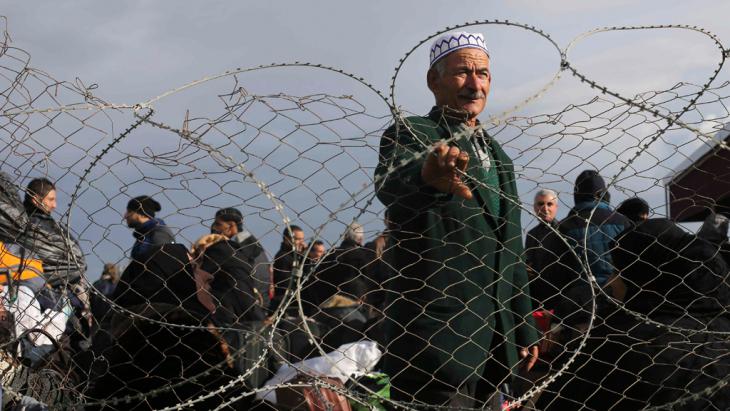
The Rafah crossing between Gaza and Egypt recently opened for two days after a three-month closure. Registered travellers numbered at more than 30,000, but Egyptian border security only allowed 747 into Egypt.

A journey, which under usual circumstances should only take five minutes by bus or one hour, including bureaucratic procedures, now takes over 24 hours and sometimes even 48 hours, leaving hundreds of Palestinians in prison-like areas inside the Egyptian side of the Rafah border, a violation of basic human rights.

Enemies in Egypt
Egypt ruled Gaza from 1948 until 1967. Since then, Gazans have attended Egypt′s universities, creating a strong bond with Egypt over time. Nowadays, Egypt′s narrative has changed and Gazans are treated as enemies.

The Egyptian border near Rafah (photo: Reuters/I.A. Mustafa)

Personae non gratae: the only remaining road out of the besieged Gaza Strip that is not under Israeli control has been mostly closed since the ousting of Morsi in Egypt. During the whole of 2015, Rafah only opened on 21 days to allow a limited number of travellers on urgent business to pass through
 

Last year I was banned by Israeli security from going to Palestine, yet I received much better treatment than my fellow Palestinians in Egyptian airports and borders. What makes this especially difficult to bear is the fact that Palestinians have never had any conflict with the Egyptian army, compared to Jordan, Lebanon and Syria.

The question therefore needs to be asked: why is Egypt treating Palestinians from Gaza so badly? Why does Egypt treat Palestinians as sub-human? Even if it is the norm in Egypt for the government to deal with its own people in such a manner, why is this treatment extended to Palestinians when all they ask is to cross the border to travel onto somewhere else?

It seems that Egypt is intent on sending this strong message to all parties: ′We are not interested in Gaza, Gazans or their troubles; let them suffer away from us′.

Gaza′s burden is not limited to its southern border, it also extends to Jordan. When the Israeli military started to allow Gazans to travel through Jordan, after receiving military permission to cross from the West Bank, Jordan tightened its security measures. Not only did they deny visas for Gazans living in Gaza, but also for Gazans who live in the West Bank. The decision came immediately after Israel′s decision to condition Gazans′ exit to a one-year no-return, which is a violation of their human rights. Due to Israel′s decision, Jordan may have felt that a decision was made to hand Gaza to Jordan.

One rule for them, another for the rest
However, this does not explain the need for Gazans to obtain visas while their counterparts in Jordan can travel whenever they want. Gaza has traditionally been aligned with Egypt and the West Bank with Jordan, so perhaps Palestinians of the West Bank are trusted more than Gazans? This reinforces the premise that Gaza is being treated as a security issue and, by extension, Gazans are seen as a threat to Jordan.

Tunnel connecting the Gaza Strip and Rafah (photo: picture-alliance/dpa)

Policy of isolation: at the end of 2014, fearful of Islamists penetrating the Sinai Peninsula, Egypt began creating a buffer zone along its border with the Gaza Strip. It had already previously destroyed several hundred smugglers′ tunnels leading out of the Palestine enclave, which has been under the control of the radial Islamic Hamas since 2007. Last summer, the Egyptian army began flooding the area where tunnels were still believed to exist with seawater
 

Israel too plays a crucial role for Gaza. It has been besieging the Gaza Strip for ten years now; its army murdering more than 5000 Palestinians between 2008 and 2014 over the course of three assaults. Israel would ultimately like to annex the West Bank, leaving Gaza as the state for the Palestinians. In 1987 Martin Gouterman suggested Gaza become the Singapore of the Middle East.

In 2004, to avoid negotiations, prevent discussions on refugees, Jerusalem and borders, Sharon′s plan was to stop the creation of a Palestinian state and allow a state in Gaza. The Israeli government is ready to do everything possible to rid itself of Gaza or keep borders closed indefinitely. The issue is not only Hamas, but also the history of the relationship between Gazans and the Occupation.

The same goes for the Palestinian Authority (PA) and Fatah′s leadership in Ramallah. They are not interested in taking Gaza back from Hamas. Despite the fact that they are willing to negotiate with Hamas over reconciliation and Hamas′ manipulation of national and regional efforts, the PA′s leadership cannot guarantee positions, diplomatic employees and governmental advantages neither for Hamas, nor for Gazans.

In Ramallah and among the Palestinian leadership, Gaza is treated like a contagious disease. This perception is reflected by the appointment of high-level employees only in Ramallah. Non-Gazan high-ranking employees are the only ones appointed and funded. This reveals a hostility not only toward Hamas but also toward Gaza in general, as the Gaza Strip and the West Bank are systematically regarded not as one entity, one people and one future-state.

Masked members of Hamas in Gaza (photo: picture-alliance/dpa/M. Saber)

Grist to the radicals′ mill: "the division between Hamas and Fatah, the siege on Gaza and the stubborn leadership of Hamas have all led to catastrophic consequences in the Gaza Strip: high unemployment, increased rates of suicide, shortages in power, water and medical supplies, hardships in general wellbeing, higher rates of poverty, a crushing siege of the Gaza Strip, increased taxes on necessary goods (imposed by Hamas), corruption, distrust, higher political repression and arbitrary arrests among Gazan activists," writes Abdalhadi Alijla

At the mercy of Hamas
It seems that the Gazans have been effectively abandoned and left in the hands of Hamas to do with them as they please. This policy is transforming Gaza, slowly but steadily, into a hotbed of radicals that is bound to explode.

The division between Hamas and Fatah, the siege on Gaza and the stubborn leadership of Hamas have all led to catastrophic consequences in the Gaza Strip: high unemployment, increased rates of suicide, shortages in power, water and medical supplies, hardships in general wellbeing, higher rates of poverty, a crushing siege of the Gaza Strip, increased taxes on necessary goods (imposed by Hamas), corruption, distrust, higher political repression and arbitrary arrests among Gazan activists.

To avoid such an outcome, action must be taken and now. The world should not regard Gaza as a humanitarian crisis, but rather a political crisis. The PA must deal with Gaza as an entity that belongs to them and represent the interests and needs of its people.

The PA works for a limited group of people who are becoming the new elite of Gaza, while the great majority continue to suffer every day. Egypt and Jordan should also rethink how they deal with the population of Gaza. Not all are a security threat; in fact, none of them need pose such a threat if they are granted access to basic human rights.

Writer and activist from Rafah, Mahmoud Jouda, wrote the following on his Facebook page:

"Do not listen to anyone who says there is hope in Gaza. Even if we achieve political reconciliation, it will not work because it is based on a quota-based political division which will fail. Gaza′s problem is bigger than its geographical borders. Gaza is a sinking vessel. The only solution is individual salvation. Jump from the sinking vessel before you die."
This is the painful reality of Gaza and the story of a city that no one wants.

Abdalhadi Alijla
Abdalhadi(Hadi) Alijla is a research fellow at the University of Milan and the executive director of the Institute of Middle Eastern Studies Canada (IMESC). He serves as the regional manager for Gulf countries at Varieties of Democracy Institute, Gothenburg University, Sweden.

Courtesy: qantara.de