Photo credit: Indian Express
170 leading activists, economists, sociologists urge the central government to respond with some sense of urgency and purpose to the rural crisis which has resulted in "massive distress movement of populations, causing broken childhoods, interrupted education, life in camps, city pavements or crowded shanties"
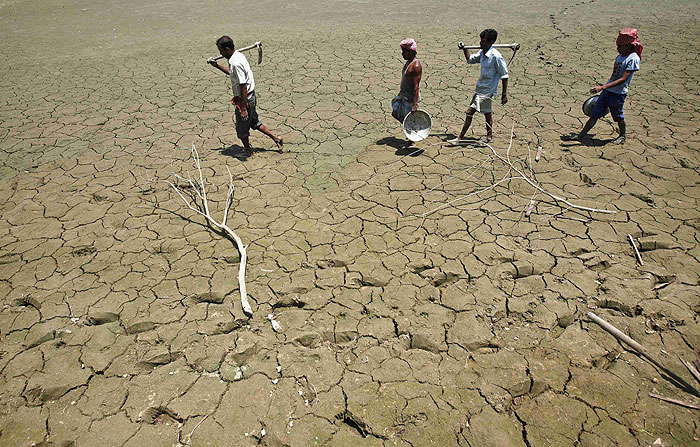
The government's response to the massive drought being faced by large parts of the country "is sadly listless, lacking in both urgency and compassion", 170 eminent citizens wrote in an open letter to Prime Minister Narendra Modi.
The signatories, including leading activists, economists and sociologists such as Aruna Roy, Harsh Mander, Jean Dreze, Jayati Ghosh and Ajit Ranade, noted that the crisis has resulted in "massive distress movement of populations, causing broken childhoods, interrupted education, life in camps, city pavements or crowded shanties".
They urged Modi to make "rapid amends, by implementing all the traditional relief measures as well as by ensuring full implementation of the National Food Security Act 2013 and the Mahatma Gandhi National Rural Employment Guarantee Act 2005 in letter and spirit".
Here is the full text of the letter.
Dear Mr Prime Minister,
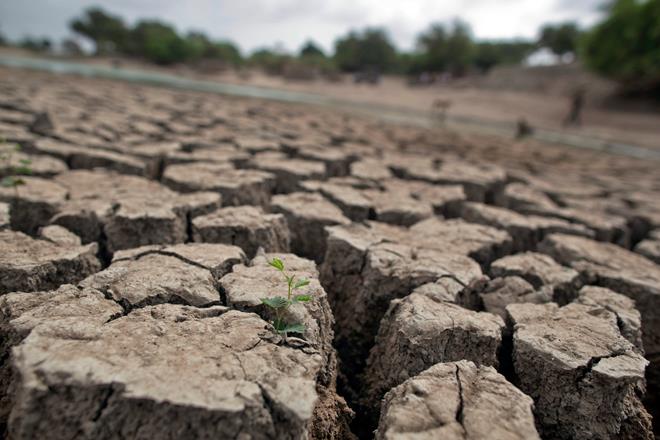
We wish to convey our deep collective anxiety about the enormous suffering of the rural poor in large parts of India’s countryside as they are battling drought, often for the second or even third consecutive year. In areas where rains have failed, farmers who depend mainly on rainwater to irrigate their crops have no or very low crop yields. Those who rely on irrigation are also affected, with groundwater sinking and streams and reservoirs drying up. All this adds to chronic agrarian distress reflected in a massive slowdown in agricultural growth during the last few years, with no imminent signs of recovery.
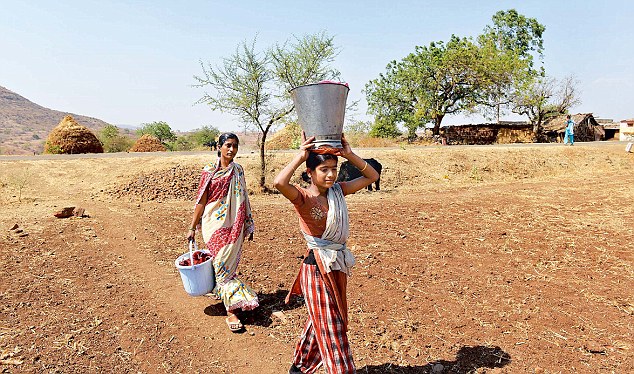
The consequence of this adversity is massive distress movement of populations, causing broken childhoods, interrupted education, life in camps, city pavements or crowded shanties. Add to this the old and the infirm who are left behind, to beg for food or just quietly die. The cattle for whom there is no fodder, sold at distress prices or just abandoned to fend for themselves. And the drying up even of sources of water to drink.
However, the response of central and state administrations to looming drought is sadly listless, lacking in both urgency and compassion. The scale of MGNREGA works is way below what is required and wages often remain unpaid for months. Even more gravely, the central and state governments are doing far too little to implement the National Food Security Act, three years after it came into force. Had the Act been in place, more than 80 per cent of rural households in the poorer states would be able to secure about half of their monthly cereal requirements almost free of cost. In a drought situation food security entitlements should be made universal.
In addition, we find no plans in most of the drought-hit regions for feeding the destitute, especially old persons left behind when families migrate, children without care-givers, the disabled and other vulnerable groups. ICDS centres could have been upgraded to supply emergency feeding to the destitute during the drought, but this has not happened. Under Supreme Court orders, school meals should be served on all days, including holidays, in drought-affected areas, but this is rarely the case. Arrangements to augment drinking water supply, including ensuring that marginalised hamlets have functioning tube-wells and transporting water where necessary, are awfully inadequate. There are also few attempts to create fodder banks and cattle camps. Most of these measures used to be a routine part of state response to drought, and were often undertaken with a great sense of urgency, but they are barely being considered today.
The highest priority of the central government in a drought situation should be to ensure the creation of millions of additional person-days of work in all affected villages. Instead, the government has not even allocated enough funds this year to sustain the level of employment generated last year – 233 crore person-days according to official data. At current levels of expenditure per person-day, this would cost well over Rs 50,000 crores. Yet the central government has allocated just Rs 38,500 crore to MGNREGA this year, of which more than Rs 12,000 crore are required to clear pending liabilities. These liabilities, only prove the distress crores of workers have been put through because of wages left unpaid for months at a time. Unemployment allowance and mandatory compensation for delayed wage payments, are also not paid citing “insufficient funds”, resulting in a failure of the Act, and its legal safeguards. Most alarming today, is that instead of expanding, MGNREGA is all set to contract in this critical drought year, unless financial allocations are vastly expanded.
The enormous distress – of food, drinking water, work, fodder for animals, and dignity – of hundred of millions is utterly unacceptable. We demand that the central government under your leadership acknowledges these failures and makes rapid amends, by implementing all the traditional relief measures as well as by ensuring full implementation of the National Food Security Act 2013 and the Mahatma Gandhi National Rural Employment Guarantee Act 2005 in letter and spirit.
Signed
1. 1 Aruna Roy, senior activist, Rajasthan
2. Jean Dreze, Economist
3. Jayati Ghosh, Economist
4. Harsh Mander, Activist, Writer
5. Satish Deshpande, Academic, Sociologist
6. Deep Joshi, senior environmentalist and water activist
7. Prof. Prabhat Patnaik, Professor Emeritus, Economist, Senior academician
8. Amit Bhaduri, Professor Emeritus, Senior Economist
9. Vijay Vyas, Professor Emeritus, Senior Economist
10. Utsa Patnaik, Professor and Senior Economist
11. Arundhati Roy, Writer
12. Admiral Ramdas, former Chief of Naval Staff
13. Lalita Ramdas, activist, Maharashtra
14. Naseeruddin Shah, Actor
15. Brinda Karat, Women’s leader, Politician
16. Medha Patkar, Activist, politician, women’s leader
17. Shabana Azmi, Actor
18. Kavitha Kuruganti, Activist, leader of farmer’s groups
19. Nivedita Menon, Academic
20. Nandita Das, actor
21. Mukul Kesavan, writer
22. Leela Samson, dancer
23. Ashok Vajpeyi, writer
24. Justice Rajinder Sachar, senior jurist
25. Syeda Hameed, women’s leader, former member Planning Commission
26. Shyam Benegal, filmmaker
27. Himanshu Thakkar, environmentalist
28. Wajahat Habibullah, former Chief Information Commissioner
29. Deepak Sandhu, former Chief Information Commissioner
30. Shailesh Gandhi, former Central Information Commissioner
31. Uma Chakravarty, historian
32. Ritwick Dutta, environmental legal activist
33. Trilochan Shastry, academic
34. Jagdeep Chhokar, academic
35. Advocate Vrinda Grover
36. Nandini Sundar, Sociologist
37. Shekhar Singh, RTI activist
38. Amar Kanwar, filmmaker
39. Prof C.P.Chandrasekhar, labour economist
40. Dilip Simeon, academic
41. Prithvi Sharma, activist, also on behalf of ICAN
42. Maja Daruwala, senior human rights activist
43. Mathew Cherian, Helpage
44. TM Krishna, Musician, Writer
45. Anand Patwardhan, filmmaker
46. Lalit Mathur, former civil servant
47. Kavita Srivastava, PUCL, Rajasthan
48. Anjali Bhardwaj, RTI activist
49. Achin Vinayak, academic and activist, Delhi
50. Ram Rehman, photographer
51. Pamela Philipose, journalist
52. Tushar.A.Gandhi , academic
53. Rita Anand, senior journalist
54. Nirmala Lakshman, senior journalist
55. Tripurari Sharma, Drama and Theater, playright
56. Harsh Sethi, writer
57. Madhu Bhaduri, former diplomat
58. Sharmila Tagore, Actor
59. Amitabh Mukhopadhyay, former auditor, CAG
60. Mridula Mukherjee, historian
61. Aditya Mukherjee, historian
62. Amita Baviskar, academic
63. Arundhati Dhuru, activist, UP
64. Kavita Krishnan, activist, leader of women’s groups
65. Reetika Khera, Economist
66. Sanjay Kak, filmmaker
67. Baba Adhav, labour leader
68. Achyut Das, activist, Odisha
69. Ajit Ranade, economist
70. Kalpana Kannabiran, sociologist, lawyer
71. Vasanth Kannabiran, teacher and activist, Andhra
72. Paul Divakar, dalit activist
73. Abha Sur, writer, academic
74. Rajni Bakshi, writer
75. Ravi Chopra, activist, Uttarakhand
76. Neelabh Mishra, writer
77. Poornima Chikarmane, Pune
78. Zoya Hasan , academic, political scientist
79. Shabnam Hashmi, activist
80. Rebecca John, academic
81. Anandalakshmy, academic
82. Smita Gupta, Economist, Head of economic cell, AIDWA
83. Praveen Jha, Economist
84. Gautam Navlakha, senior activist
85. Venkatesh Nayak, RTI activist
86. Seema Mustafa, journalist, editor, The Citizen
87. Bela Bhatia, academic
88. Bezwada Wilson, senior activist
89. Prof. Haragopal, academic
90. Sumit Chakravarty, Editor, Mainstream
91. Gargi Chakravarty, Women’s activist
92. Patricia Uberoi
93. Kamal Chenoy, senior academic
94. Janaki Nair, academic
95. Vipul Mudgal, journalist
96. Deepa Sinha, Right to Food activist
97. Himanshu, activist
98. Uma Pillai, former civil servant
99. Nikhil Dey, activist, Rajasthan
100. D.N.Rath, academic
101. Abey George,academic
102. Mahesh Pandya, ICAN
103. Jyothi Krishnan, academic
104. Balram, activist, Jharkhand
105. AL Rangarajan, ICAN
106. Rajaram Singh
107. Rameshwar Prasad, ICAN
108. Anand Murugesan, academic
109. Abha Bhaiya, women’s activist
110. Sagar Rabari, activist, Gujarat
111. Dhirendhra Singh
112. C. Rammanohar Reddy, former editor EPW, senior writer
113. Nandini K Oza, water activist, Maharasthra
114. Osama Manzar, Digital Empowerment Foundation
115. Rakesh Sharma
116. Pankti Jog, RTI activist
117. Rakesh Reddy Dubbudu, RTI activist, Telangana
118. Subrat Das, economist
119. Umesh Anand, editor, Civil Society
120. Charul,singer, cultural activist
121. Vinay, singer, writer, musician, activist
122. Maya Caroli
123. Ashwini Kulkarni, activist, Pune
124. Vibha Puri Das
125. Surjit Das
126. Amrita Johri, RTI activist
127. Madhuresh Kumar, activist
128. Ankur Sarin
129. Dipak Dholakia
130. Navdeep Mathur
131. Harinesh, activist, Gujarat
132. Persis Ginwalla
133. Shamsul Islam, theatre activist
134. Prafulla Samantara, activist, Odisha
135. Lingraj Azad, activist, Odisha
136. Sunilam, activist, Madhya Pradesh
137. Aradhana Bhargava
138. Meera Chaudhary, activist
139. Suniti SR, activist, Pune
140. Suhas Kolhekar, activist Pune
141. Prasad Bagwe
142. Gabrielle Dietrich, leader of Women’s groups
143. Geetha Ramakrishnan, activist Tamil Nadu
144. C.R. Neelkandan
145. P Chennaiah, activist Telangana
146. Ramakrishnan Raju, activist, Andhra
147. Richa Singh, activist, Uttar Pradesh
148. Sister Cella
149. Vimal Bhai, activist, Himachal Pradesh
150. Jabar Singh, activist
151. Anand Mazgaonkar
152. Krishnakanth
153. Kamayani Swami, activist, Bihar
154. Ashish Ranjan, activist
155. Mahendra Yadav, activist
156. Faisal Khan, activist, Haryana
157. JS Walla
158. Kailash Meena, activist, Rajasthan
159. Amitava Mitra
160. Aveek Saha
161. BS Rawat
162. Rajendra Ravi
163. Shabnam Shaikh
164. Mahesh Pandya
165. H.S. Shylendra
166. Iqbalkhan Pulli
167. Soumen Ray
168. Ramachandra Prasad, ICAN
169. Ravi M.
170. Dipak Dholakia

.png)
.png)
.png)
.png)