Facing shortage of cash after demonetisation, a group of angered customers pelted stones at the SBI branch in Kakroli village in Muzaffarnagar, police said on Tuesday.
The branch manager Chander Mohan lodged a complaint alleging that some persons pelted stones at the bank last evening and damaged property while they were protesting against the shortage of cash at the bank, SHO Anand Mishra said.
Police has registered a case against unidentified persons in this connection, he said.
In a similar incident at Fatehpur village in Shamli district, about 40 km from here, customers vandalised the branch of UP Gramin Bank on Monday after they were unable to get cash, police said.
People blocked the Shahpur-Kandhla road after the bank in their area ran out of cash, police said.
Police later intervened and cleared the road for traffic movement.
In Jalalabad town of Shamli district, irate people blocked the Delhi-Saharanpur road as they were turned down by the PNB branch.
Traffic movement was affected for several hours due the protests in these area.
नोटबंदी से पीएम नरेंद्र मोदी के चुनाव क्षेत्र वाराणसी का बुरा हाल है। यहां बैंकों के आगे आधी रात के तुरंत बाद लंबी लाइनें लग जाती हैं। कड़कड़ाती ठंड के बावजूद हर वक्त 300-400 लोग लाइन में होते हैं।
देखने से ही मामला समझ में आ जाता है। मोदी के लोकसभा क्षेत्र वाराणसी के बैंक ऑफ बड़ौदा की इस शाखा में लगी इस भीड़ का बुरा हाल है। बैंक की यह शाखा शहर के पीलीकोठी इलाके में है।
नोटबंदी पर बढ़-चढ़ कर अतिशयोक्तिपूर्ण दावों ने इस पर होने वाले विमर्श को ढक दिया है। लेकिन असलियत क्या है, इसका अंदाजा पीएम नरेंद्र मोदी के चुनाव क्षेत्र के बैंक के बाहर लोगों की लाइन देकर ही लग जाता है। यह बैंक ऑफ बड़ौदा की शाखा है और जिस पीलीकोठी इलाके में यह स्थित है वहां हजारों बुनकर रहते हैं। हालांकि इनमें से कई सुविधासंपन्न वर्ग के भी हैं।
पीएम मोदी के चुनाव क्षेत्र के इन हालातों की तस्वीर 13 और 14 दिसंबर, 2016 की है। यानी नोटबंदी के बाद के 35वें और 36वें दिन की। लोगों की शिकायतें काफी ज्यादा हैं और उनके अंदर गुस्सा भरा हुआ है। हर रात, आधी रात के बाद से ही बैंकों के आगे एक नई लाइन शुरू हो जाती है। हर वक्त लाइन में 300 से 450 लोगों के लाइन होती है। ऐसे वक्त में भी जब ठंड लगातार बढ़ती जा रही है और तापमान 9 से 10 डिग्री सेंटीग्रेड तक पहुंच गया है।
बैंक 11 बजे सुबह खुलता है। लोगों को पैसे देने की प्रक्रिया धीमी और थकाऊ है। कुछ ही लोगों को कैश मिल पाता है। वह भी जितनी जरूरत है उतना नहीं। उन्हें साफ कह दिया जाता है कि कैश नहीं है। यह चक्र लगातार चल रहा है और आगे भी चलता रहेगा।
अगर यह पीएम के चुनाव क्षेत्र के बैंकों की स्थिति है तो देश के बाकी जगहों का क्या होगा जहां शहर के कैमरे नहीं पहुंच पाते हैं। वहां, जहां हमारी-आपकी नजर नहीं पहुंच पाती है।
आरटीआई के तहत खुलासा हुआ है कि नोटबंदी का फैसला बेहद खरब तैयारी के साथ लागू किया गया था। 8 नवंबर को फैसले के ऐलान के दिन आरबीआई के पास 2 हजार के नोटों के तौर पर सिर्फ 4,94,640 करोड़ रुपये की करेंसी छप कर तैयार थी।
रधानमंत्री नरेंद्र मोदी ने 8 नवंबर 2016 को चलन से 500 व 1000 की करंसी रद्द करने की घोषणा की थी। उस दिन दो हजार के नोटोंके तौर पर सिर्फ 4,94,640 करोड़ रुपये करेंसी के तौर पर छप कर तैयार थे।
यह जबाब आरटीआई कार्यकर्ता अनिल गलगली को आरबीआई ने दिया है। मोदी के इस फैसले से सिर्फ आम आदमी परेशान नहींहुए बल्किभारतीय रिजर्व बैंक को भी 500 और 1000 मूल्य की 20,51,166.52 करोड़ की करंसी पर पानी फेरना पड़ा है।
आरटीआई कार्यकर्ता अनिल गलगली ने भारतीय रिजर्व बैंक को नई और पुरानी करेंसी को लेकर विभिन्न जानकारी मांगी थी। भारतीय रिजर्व बैंक की केंद्रीय लोकसूचना अधिकारी पी विजयकुमार ने अनिल गलगली को बताया कि जिस दिन यानी 8 नवंबर 2016 को प्रधानमंत्री नरेंद्र मोदी ने नोटबंदी की घोषणा की थी उस वक्तभारतीय रिजर्व बैंक के पास नए 500 रुपए मूल्य की करंसी नहीं थी। नए 2000 रुपए मूल्य की कुल करंसी की संख्या 24732 करोड़ की थी और उसकी कुल कीमत 4,94,640 करोड़ थी।
वहीं जिस दिन यानी 8 नवंबर को नोटबंदी की गई उस वक्त भारतीय रिजर्व बैंक के पास 10, 20, 50, 100, 500 और 1000 रुपये के मूल्य के कुल करंसी की संख्या 12,42,300.1 करोड़ थी जिसकी कुल कीमत 23,93,753.39 करोड़ थी।
इसमें से 500 और 1000 मूल्य की करंसी की संख्या 3,18,919.2 करोड़ थी जिसकी कुल कीमत20,51,166.52 करोड़ थी। यानी कुल मौजूद करंसी की 86 प्रतिशत करंसी नोटबंदी से रद्द हुई। जबकि भारतीय रिजर्व बैंक ने सिर्फ नई 2000 रुपए मूल्य की कुल 24732 करोड़ करंसी छापी थी जिसकी कीमत 4,94,640 करोड़ हैं।
अनिल गलगली के अनुसार भारतीय रिजर्व बैंक की जानकारी के आधार पर सरकार ने इतना बड़ा फैसला लेने के पहले किसी भी तरह का अध्ययन तो किया ही नहीं अव्यावहारिक दृष्टिकोण से काम किया क्योंकि जो मौजूदा करंसी भारतीय रिजर्व बैंक के पास थी उसका 86 प्रतिशत का हिस्सा नोटबंदी के चलते चलन से बाहर हुआ औरउसकी पूर्ति करने के लिए सरकार ने उसकी तुलना में 24.11 प्रतिशत की सिर्फ 2000 रुपए मूल्य की करंसी छापी। अनिल गलगली ने इसे अविवेकपूर्ण फैसला बताते हुए भविष्य में इसतरह के आपदा से बचने की सरकार से अपील की.
Executions being used to Silence Dissidents;over 40 civilians executed in one day on terrorism charges in January alone, says Justice Crucified: The Death Penalty in Saudi Arabia, a report released by Repreive, a human rights group based in the United Kingdom.
Saudi Arabia will have executed at least 150 people by the end of 2016, for the second year in a row, according to research by a human rights organisation.
Around 47 of those were tried in the kingdom's “specialised criminial court”, which the UK-based group Reprieve suggested is being used to silence political dissidents.
As many as 72% of those facing execution in Saudi Arabia were sentenced to death for non-violent offences, including attendance at political protests and drug related offences. 69% of those executed in the past year had been sentenced to death for non-violent offences.
Among those facing execution are prisoners who were sentenced to death as children, such as Ali Mohammed al-Nimr and Dawoud Hussain al-Marhoon. The use of torture to extract ‘confessions’ is widespread – Reprieve has identified specific cases where prisoners have been beaten to the point of suffering broken bones and teeth. Execution methods include beheading, stoning, and beheading combined with ‘crucifixion’
Of those tried for state security offences including protesting, two were confirmed to be foreign nationals and four were juveniles. Meanwhile, 81 people – including 20 foreign nationals – were executed for comitting murder, and 23 for drug trafficking.Reprieve has claimed legal norms are being ignored in Saudi courts, such the lack of a lawyer present at hearings and even the use of torture to extract confessions.
On January 2, 47 civilians were executed on terrorism charges in one day, with the majority beheaded. It was the largest mass execution carried out in Saudi Arabia since 1980.
Reprieve said 150 civilians have been executed in total this year, compared with 158 last year. The 2015 figure reflected a considerable rise in executions, up 71 from the year before.
The majority of those executed this year were arrested on drugs or terrorism offences. Several were young people under the age of 18, Reprieve alleged.
Police have killed hundreds of suspects in custody between 2009-2015, alleges rights group and the police often blame the deaths on suicide or illness.
Human Rights Watch(HRW)’s “Bound by Brotherhood”, India’s Failure to End Killings in Police Custody report released in New Delhi recently, documents habitual torture of undertrials and detainees by Indian police across several states. Despite changes in laws and guidelines and the promise of police reforms since 1997, official data shows at least 591 people died in police custody between 2010 and 2015
Indian police often torture criminal suspects to punish them, to gather information, or to coerce confessions. While police blame most of the deaths on suicide, illness, or natural causes, in many such cases family members allege that the deaths were the result of torture; allegations sometimes supported by independent investigations. The entire report may be read here.
Bound by Brotherhood examines the reasons for the continuing impunity for custodial deaths in India, and recommends steps that authorities should take to end it. It details the scope of the problem drawing on in-depth Human Rights Watch investigations into 17 custodial deaths that occurred between 2009 and 2015. In most of these cases, family members, with the assistance of lawyers and activists, were able to seek new inquiries, thus providing access to witness testimonies, autopsy reports, or police statements.
In each of the 17 cases, the police did not follow proper arrest procedures—including documenting the arrest, notifying family members, or producing the suspect before a magistrate within 24 hours—which made the suspect more vulnerable to abuse and may have contributed to a belief by police that any mistreatment could be covered up. In most of the cases, investigating authorities, mainly the police, failed to take steps that could have helped ensure accountability for the deaths.
Human Rights Watch has called on the Indian government to strictly enforce existing law and guidelines on arrest and detention and ensure that police officers implicated in torture and other ill-treatment, regardless of rank, are disciplined or prosecuted as appropriate.
The New York-based rights group has urged India to implement a string of often-ignored regulations and prosecute officers involved in the alleged mistreatment of prisoners. While torture is illegal in India, and law enforcement agencies in many countries now say it does little to elicit accurate information, many Indian police are open about their use of the “third degree” _ a term that can encompass anything from a couple slaps to a savage beating _ to extract details or confessions.
An appendix to the Report makes interesting reading:
Appendix II: Table of Right to Information Responses
Name of Deceased
Response from RTI Filed to Police
Response from RTI Filed to National Human Rights Commission
Response from RTI Filed to State Human Rights Commission
Kazi Nasiruddin
The matter has been transferred to the Central Bureau of Investigation headquarters in New Delhi.
Case closed because the State Human Rights Commission had taken prior cognizance.
The SHRC said it closed the case after receiving a report from the police, but said it couldn’t share the police report.
Obaidur Rahman
The police responded that the case is under investigation, but did not share any further information.
No response.
No RTI filed.
Rajib Molla
No response.
No response.
The SHRC said the case is still pending but did not share any further information.
Safikul Haque
Uttam Mal
Abdul Aziz
No response.
Case closed on January 1, 2015, after the state government submitted a compliance report and submitted proof that it had paid 300,000 rupees (US$4,530) to Haque’s wife, Sakena Bibi, as per the NHRC’s recommendation.
No RTI filed.
The police said that Mal did not die in police custody and he was neither detained nor arrested by any police personnel. However, they said that an investigation was underway and near completion on the basis of a complaint filed regarding his death. They did not share any details of the investigation.
No response.
No RTI filed.
No response.
The NHRC said it had recommended that the Uttar Pradesh government pay a compensation of 500,000 rupees (US$7,500) to Aziz’s family, but the government refused to accept the recommendation. Following this, the NHRC closed the case on November 19, 2015, and the files were “weeded out.”
No RTI filed.
Agnelo Valdaris
Altaf Shaikh
Appu
Asked to file RTI again with additional fee. Follow-up RTI filed but yet to receive response.
Final order is pending in the case. The commission sent copies of interim orders passed by it primarily to seek further information from state authorities.
No RTI filed.
No response.
The NHRC said it was informed by the government of Maharashtra that the victim’s family had sought compensation in a petition filed in the Bombay High Court. Since the matter was now in court, the NHRC said that it closed the case and “weeded out” the files.
No RTI filed.
Asked to file RTI again saying the fee should be paid by postal order. RTI filed again but yet to receive response.
No response.
No RTI filed.
B. Janardhan
No response.
No response.
No RTI filed.
Julfar Shaikh
Said the application had been forwarded to the relevant Public Information Officer at the Dharavi police station and they should be contacted. RTI filed again but yet to receive response.
The NHRC said it closed the case since it was being handled by the Maharashtra State Human Rights Commission.
No response.
K. Syed Mohammed
The police said that the case had been transferred to the state’s Central Investigation Department and therefore they cannot answer questions. Follow-up RTI was filed but yet to receive response from CBI.
No response.
No RTI filed.
Sachin Dhage Senthil Kumar
Shaik Hyder
Shyamu Singh
No response.
No response.
No RTI filed.
The police said that the case had been transferred to the state Central Investigation Department and therefore they cannot answer questions. Follow-up RTI was filed but yet to receive response from CBI.
No response.
No RTI filed.
No response.
No response.
Asked for additional money to process the 192-pages of information.
No response.
The NHRC said the case is under investigation and it is therefore unable to share any documents.
Despite having only 25 per cent of 2,000 Notes Replaceable on November 8, RBI went ahead with De-monetization; On November 8, Notebandhi Day, the RBI had just Rs 4.95 lakh crore worth in Rs. 2000 Notes.
On November 8, 2016, the day Prime Minister Narendra Modi announced demonetization , The Reserve Bank of India (RBI) had only 24732 lakh new notes of Rs 2000 denomination in its stock, valued at a total of Rs 4,94,640 Crores. This is actually was less than one-fourth of RBI's own stock of demonetizated notes of Rs 500 & Rs 1000 currency valued at Rs 20,51,166.52 Cr that turned in to 'shreds of paper' on that very day.
These startling facts have come to light through an RTI reply communicated by RBI to Mumbai-based RTI activist Anil Galgali. The exact stock position as revealed in the reply to the RTI application can be read below.
Interestingly, It has also been revealed that not a single new note of Rs 500 in currency was available with RBI on the day demonitisation was implemented.
On D-day, apart from newly printed Rs 2000 notes, RBI had a total stock of Rs 23,93,753.39 in its kitty. 85.6% of these 'older' notes valued at Rs 20,511,66.69 were of the demonetizated Rs 500 and Rs 1000 demonetization. While Rs 10, Rs 20, Rs 50 & Rs 100 stock available with RBI at Rs 34,25,86.86 was a mere 14.31% of the notes in currency on that day, Facts revealed by Ms Suman Rai, Public information Officer to Galgali indicate.
Says Anil Galgali, “RBI was well aware of the gamble it was taking on a decision that would wreck havoc on lives of crores of Indian citizens.
You need not be a financial expert to figure out that this unwarranted and un-thought through hurry in demonetization would result in a financial crunch.
With 86.69% of available stock of currency notes being taken away from circulation and less than one-fourth (24.11%) of these being replenished by newly printed Rs 2000 notes, the decision of demonetization was neither prudent, nor reasonable, added Galgali.
नई दिल्ली। नोटबंदी केंद्र सरकार के लिए गले की हड्डी बनती नजर आ रही है। इसके नियमों को लेकर सरकार हर रोज बयान बदलती नजर आ रही है। एक दिन पहले 19 दिसंबर को 5000 रुपये से ऊपर की रकम एक ही बार में जमा कराने का निर्देश जारी किया गया था। इसमें कहा गया था कि अब तक रकम जमा क्यों नहीं कराई यह भी बताया जाए। लेकिन मंगलवार (20 दिसंबर) को जमा क्यों नहीं कराने के सवाल की शर्त को वापस ले लिया गया। टीवी रिपोर्ट्स के अनुसार अब 5000 रुपये से ज्यादा की रकम जमा कराने पर सवाल नहीं किया जाएगा।
गौरतलब है कि केंद्र सरकार और रिजर्व बैंक ऑफ इंडिया(आरबीआई) ने 500 और 1000 रुपये पुराने नोटों को बैंकों में जमा कराने को लेकर 19 दिसंबर को नए निर्देश जारी किए थे। इसके तहत कहा गया था कि 5000 रुपये से ऊपर की रकम एक बार ही जमा कराई जा सकेगी। लेकिन 5000 रुपये से ज्यादा जमा कराने पर बैंक के दो अधिकारियों के सामने बताना होगा कि रकम पहले जमा क्यों नहीं कराई गई। जवाब संतोषजनक पाए जाने के बाद ही पैसा जमा किया जाएगा।
सरकार के इस नए फैसले ने प्रधानमंत्री नरेंद्र मोदी के आठ नवंबर को किए गए एलान पर सवाल उठा दिया था। मोदी ने नोटबंदी की घोषणा करते हुए कहा था कि जल्दबाजी करने की जरुरत नहीं है 30 दिसंबर तक पैसे जमा कराए जा सकते हैं। नई नोटिफिकेशन जारी करते हुए आरबीआई ने कहा, ”यह सफाई ऑन रिकॉर्ड रखी जाएगी जिससे कि बाद में ऑडिट की जा सके। साथ ही कोर बैंकिंग सॉल्युशन को भी जानकारी देनी होगी।” वित्त मंत्रालय के बयान में कहा गया है, ”बैंकों से कहा गया है कि वे पूछें कि इस तरह के नोट पहले क्यों नहीं जमा कराए गए।”
आरबीआई ने कहा था कि 5000 रुपये से ज्यादा की नकदी नो योर कस्टमर से जुड़े खातों में ही जमा की जाएगी। यदि खातों को लेकर नो योर कस्टमर के तहत जानकारी नहीं दी गई है तो 50 हजार रुपये तक के जमा पर रोक लगाई जा सकती है। लेकिन यह नियम प्रधानमंत्री गरीब कल्याण योजना पर लागू नहीं होंगे। इस नोटिफिकेशन की सफार्इ में वित्त मंत्रालय ने कहा कि बैंकों से भीड़ कम करने के लिए ऐसा किया गया है। ज्यादातर लोगों ने पुराने नोट जमा करा दिए हैं। गौरतलब है कि आठ नवंबर को 500 और 1000 रुपये के पुराने नोटों को बंद करने का एलान किया गया था।
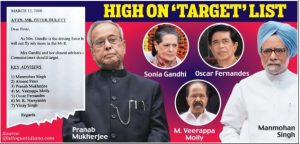
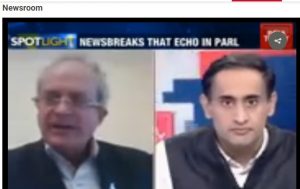
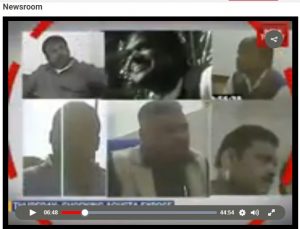
पिछले कुछ दिनों से टीवी टुडे के चैनल ऐेस खुलासे कर रहे हैं जिससे संसद में हंगामा हो रहा है। ख़ास बात यह है कि दोनों ही धमाकों के निशाने पर सत्तापक्ष नहीं विपक्ष है। पहला है आगस्ता वेस्टलैंड हेलीकाप्टर डील में फ़ैमिली (गाँधी परिवार) को दी गई कथित रिश्वत और दूसरी काले पैसे को सफे़द करने में जुटी पार्टियों का स्टिंग आपरेशन ( इसमें बीजेपी नहीं है) ।
नोटबंदी को लेकर संसद में फँसी मोदी सरकार के लिए देश के सबसे तेज़ चैनलों यानी आज तक और इंडिया टुडे का यह रुख़ वाक़ई राहत भरा है।
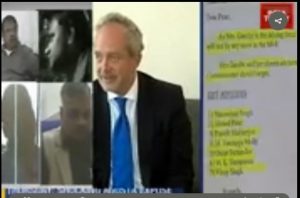
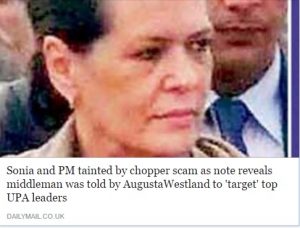
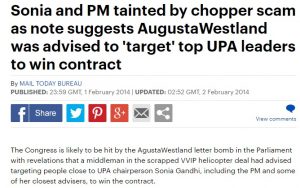
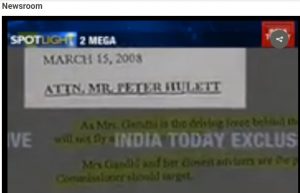
पहले बात हेलीकाप्टर सौदे की। इंडिया टुडे के राहुल कँवल ने बड़े ज़ोर-शोर से जिस ख़बर को एक्सक्लूसिव कहकर दिखाया वह तो पौनो तीन साल पहले ही यूके के डेलीमेल ने छाप दी थी । तो क्या पौने तीन साल पुरानी ख़बर को अचानक एक्सक्लूसिव कहकर दिखाना बेईमानी का संयोग भर है या इसका मक़सद सत्ता पक्ष को हथियार मुहैया कराना है?
ग़ौरतलब है कि इस ख़बर को मेल टुडे ने भी छापा था जो टीवी टुडे का ही अख़़बार है। तारीख़ थी 1 फ़रवरी 2014 .
राहुल कँवल जिन दस्तावेज़ों को दिखा रहे थे वे पौने तीन साल पहले की ख़बर में भी मौजूद थे।
वैसे, राहुल कँवल ने 15 दिसंबर को इस सौदे के कथित बिचौलिये क्रिशचियन मिशेल का इंटरव्यू दिखाया। यूएई से लाइव मिशेल ने तमाम दस्तावेज़ों के जाली होने का दावा किया। सवाल यह भी उठाया कि जब उसे लिखना आता है तो वह बजटशीट को डिक्टेट क्यों कराएगा ?
बहरहाल बिचौलिया झूठ बोल सकता है। यूपीए सरकार ने भी इस डील को संदिग्ध मानते हुए सौदा रद्द किया ही था।
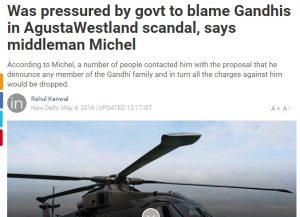
लेकिन करीब आधे घंटे के इस इंटरव्यू में राहुल कँवल वह सवाल पूछना क्यों भूल गए जिसकी ख़़बर उन्होंने खु़द की थी। सवाल यह कि इस सौदे में गाँधी परिवार का नाम बताकर तमाम आरोपों से बरी करने का लालच मिशेल को किसने दिया था। इसी साल 4 मई को राहुल ने यह ख़बर दी थी कि गाँधी परिवार को फँसाने के लिए मिशेल पर दबाव डाला जा रहा है। क्या राहुल का यह विस्मरण महज़ संयोग है ?
अब आइये स्टिंग अाँपरेशन पर। नोटबंदी के बाद ही देश के हर कोने में बीजेपी के नेता नए नोटों के बंडलों के साथ पकड़े गए, लेकिन आजतक के स्टिंग में सिर्फ विपक्षी दल के लोग हैं। यह अक्षमता का मामला है या सत्ता पक्ष की ओर से आँख मुूँद लेने का।
ध्यान रहे कि नोटबंदी के कुछ पहले बिहार में बीजेपी के ज़मीन ख़रीद मिशन की जानकारी आजतक जैसे सबसे तेज़ चैनल ने नहीं दी थी। यह कशिश न्यूज़ जैसे छोटे से चैनल की कोशिश थी। ऐसा क्यों है कि बीजेपी के मामले में यह ग्रुप आजकल आमतौर पर गच्चा ही खाता है।
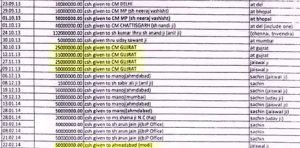
सवाल यह भी है कि मिशेल की बजटशीट पौने तीन साल बाद भी एक्सक्लूसिव है तो फिर आजतक और इंडिया टुडे सहारा -बिड़ला के उन दस्तावेज़ों पर ऐसा ही फॉलोअप क्यों नहीं कर रहे हैं जिसमें गुजरात सीएम को करोड़ों रुपये देना दर्ज है। मिशेल के बजटशीट को पवित्र मानने वालों के लिए ये काग़ज़ात अश्पृश्य क्यों हैं ? मिशेल का इंटरव्यू विदेश से हो सकता है तो सीएम को पैसा दैने वाले जायसवाल जी को तो देश में ही पकड़ा जा सकता है !
वैसे, मोदी के हनुमान बनने की कोशिश में राहुल कँवल पहले भी पकड़े जा चुके हैं। काफ़ी पहले उन्होंने ब्रिटेन के प्रधानमंत्री एटली को लिखि पं.नेहरू की एक चिट्ठी की ख़बर फोड़ी थी जिसमें नेताजी सुभाषचंद्र बोस को युद्ध अपराधी कहा गया था। राहुल ने इसे राजनीतिक भूकंप की संज्ञा दी थी। यह अलग बात है कि यह पूरी चिट्ठी पूरी तरह फ़र्ज़ी थी और पहले भी अख़बारों के चंडूख़ाने में जगह पा चुकी थी।
सुनिये, नेहरू की फ़र्ज़ी चिट्ठी को राजनीतिक भूकंप बताने वाले टीवी टुडे संपादक राहुल कँवल का फ़ोनो ! टोटल फ़्रज़ी….!