
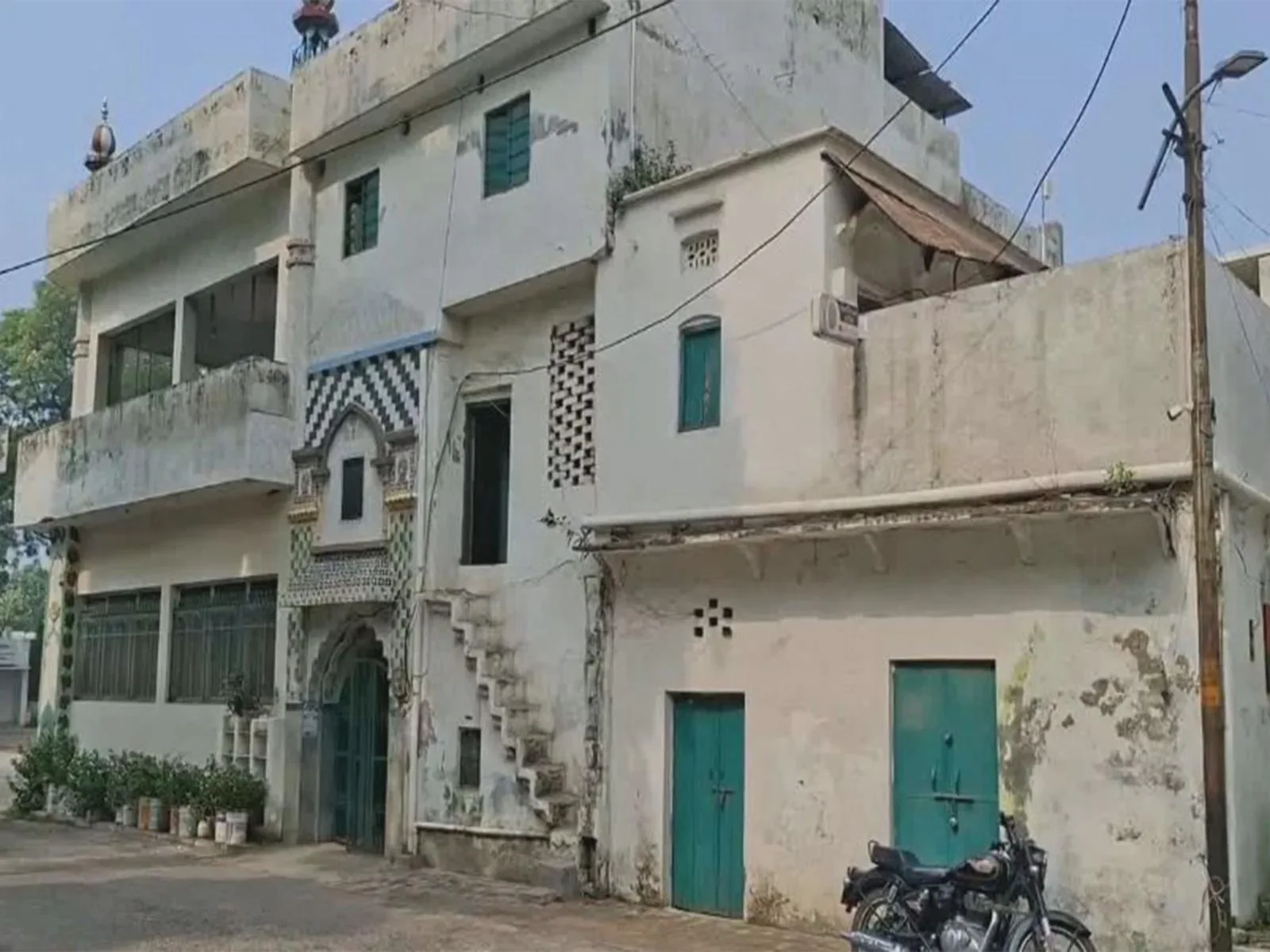
A court in Saharanpur, Uttar Pradesh, has ordered the eviction of a mosque located within the District Collectorate campus, holding that the structure stands on government land and constitutes an unauthorised occupation. The court has directed that the premises be vacated within 30 days and imposed a penalty of ₹6.41 crore towards compensation for the alleged illegal occupation of public property.
According to The Indian Express, the order was passed by City Magistrate Kuldeep Singh under the Uttar Pradesh Public Premises (Eviction of Unauthorised Occupants) Act, 1972. The dispute arose from a complaint filed by Vikas Tyagi, a former provincial coordinator of the Bajrang Dal, who alleged that a mosque had been illegally constructed within the Collectorate premises—a sensitive government complex where administrative and confidential official work is carried out. The complaint also alleged that the property was being used for commercial purposes, with portions of the premises rented to private occupants and a post office operating from the site.
Revenue inquiry and allegations
Following the complaint, the Revenue Department initiated an inquiry. In March 2025, a Lekhpal (revenue official) filed an application before the City Magistrate alleging that Abdul Hamid, described as the mosque’s manager and maulvi, was in unauthorised occupation of government land. Notices were issued to the respondents in April 2025, and their objections were filed in June 2025.
The revenue authorities contended that the land forms part of the Collectorate campus and is recorded in official revenue records as government property. According to the petition, the building originally functioned as a rest house for litigants visiting the Collectorate, but was subsequently occupied by the respondents, who allegedly converted portions of it into a mosque.
The petition further alleged that rooms on both the ground and first floors had been occupied, namaz was being offered there, several rooms had been rented out for residential purposes, and rent was being collected from tenants as well as from a post office operating from the premises.
Authorities also alleged that unauthorised construction had been carried out to convert part of the government building into a religious structure. The inquiry reportedly concluded that the occupants possessed no licence, permission or legal authority either to occupy the premises, allow third parties to reside there, or convert the building into a place of worship.
The revenue department further challenged the respondents’ reliance on a purported communication issued by the Sunni Central Waqf Board, Lucknow, alleging that the document was forged. It argued that the property has consistently been recorded in revenue records as Kachahri (Collectorate) and Kothiyat land, rather than as waqf or religious property.
The authorities also maintained that the Sunni Central Waqf Board has no legal authority to declare government land as waqf property. Although the respondents claimed to be the mosque’s mutawalli and maulvi, the petition asserted that they failed to produce documentary evidence establishing either their status or ownership rights over the property.
In addition to seeking eviction, the petitioner requested recovery of rent allegedly collected from tenants, penal rent, and all income allegedly earned through the unauthorised occupation, together with 12 per cent compound interest, to be deposited into the government treasury.
Mosque committee disputes government’s claim
The respondents denied the allegations and argued that the State had failed to establish ownership of the disputed property. They contended that the revenue records relied upon by the authorities merely reflected the physical nature or classification of the land and did not conclusively determine title.
They further alleged that the proceedings were initiated with the intention of unlawfully taking possession of the mosque and its adjoining land. According to the respondents, the petitioner had suppressed material facts, withheld relevant revenue records, and attempted to mislead the court.
Mutawalli Tanveer Ahmed maintained that the mosque is approximately 150 years old and stated that the management committee intends to challenge the order by filing a revision petition.
Court finds occupation unauthorised
After considering the material placed before it, the City Magistrate held that the respondents had failed to establish any lawful right or title over the disputed property. The court observed that Khasra No. 539 has consistently been recorded in revenue records as Collectorate/Kachahri land since Fasli Years 1324 and 1359, as well as in earlier records. On that basis, it concluded that the land belongs to the State government and that occupation without legal authority amounts to unauthorised occupation under the 1972 Act.
Taking into account the prolonged occupation of the 315-square-metre parcel, the court directed that compensation be calculated for a period of 70 years, commencing from Fasli Year 1359, in accordance with the prescribed statutory formula. The resulting amount was assessed at approximately ₹6.41 crore.
City Magistrate Kuldeep Singh told The Indian Express that the occupants have been granted 30 days to vacate the premises, failing which the administration will proceed with eviction.
Part of wider disputes over religious structures
The Saharanpur order comes amid a series of disputes involving religious structures alleged to have been constructed on public land in Uttar Pradesh. Last month, according to The Indian Express, the Varanasi Division of Northern Railways issued a notice directing the removal of a mosque located near Gate No. 1 of Kashi railway station, asserting that the structure stands on railway land. The mosque’s managing body, Anjuman Intizamia Masajid Varanasi, has challenged the notice, describing the proposed action as illegal.
The controversy also follows earlier demolition proceedings concerning the Madni Mosque in Kushinagar district. In February 2025, authorities demolished a portion of the mosque after alleging that it had been constructed on encroached land. The mosque committee disputed the allegation, asserting that the land had been lawfully purchased and had secured interim protection from the High Court until the expiry of the stay.
Subsequently, the Supreme Court issued notice to the Uttar Pradesh authorities in contempt proceedings alleging that the demolition violated the Court’s November 13, 2024 directions restraining demolition drives across the country without prior notice and an opportunity of hearing. The proceedings remain pending.
Related:
Public Purpose and Places of Worship: Allahabad HC’s Dalmandi verdict
Rebuild or Compensate: Nagpur HC confronts NMC over ‘bulldozer’ demolition in riot case