
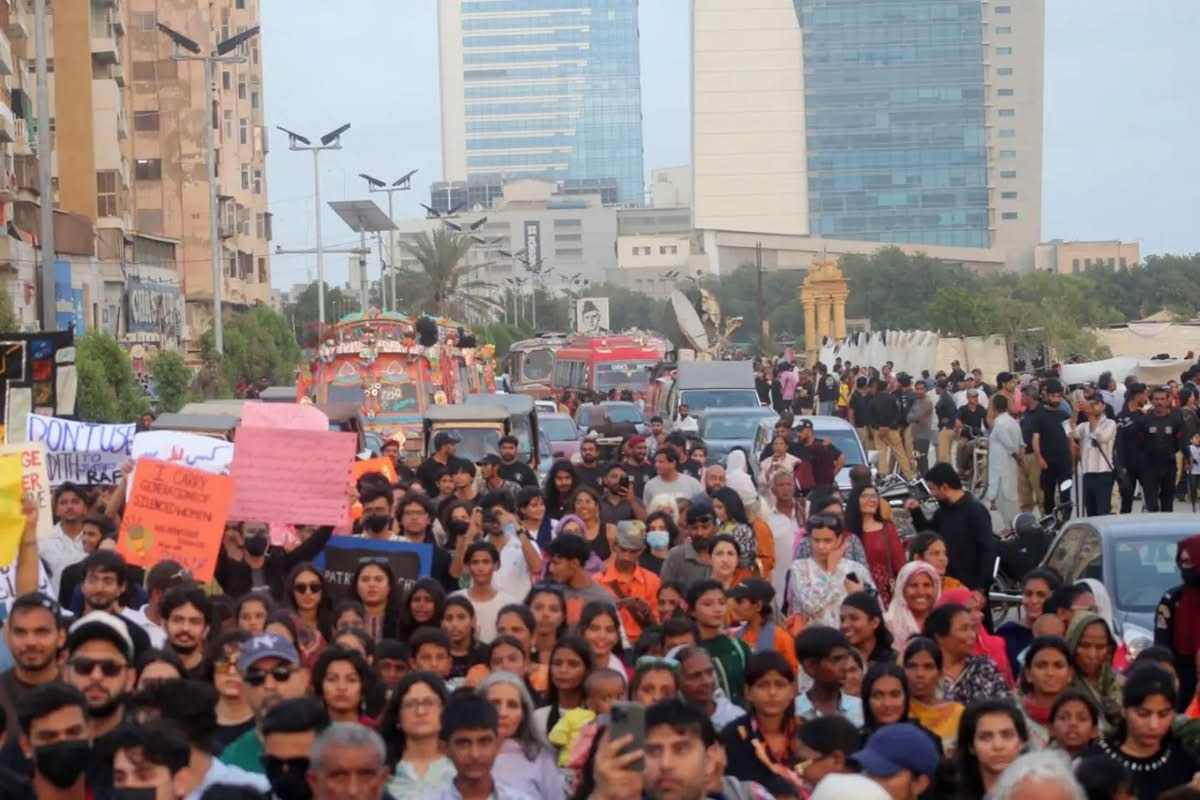
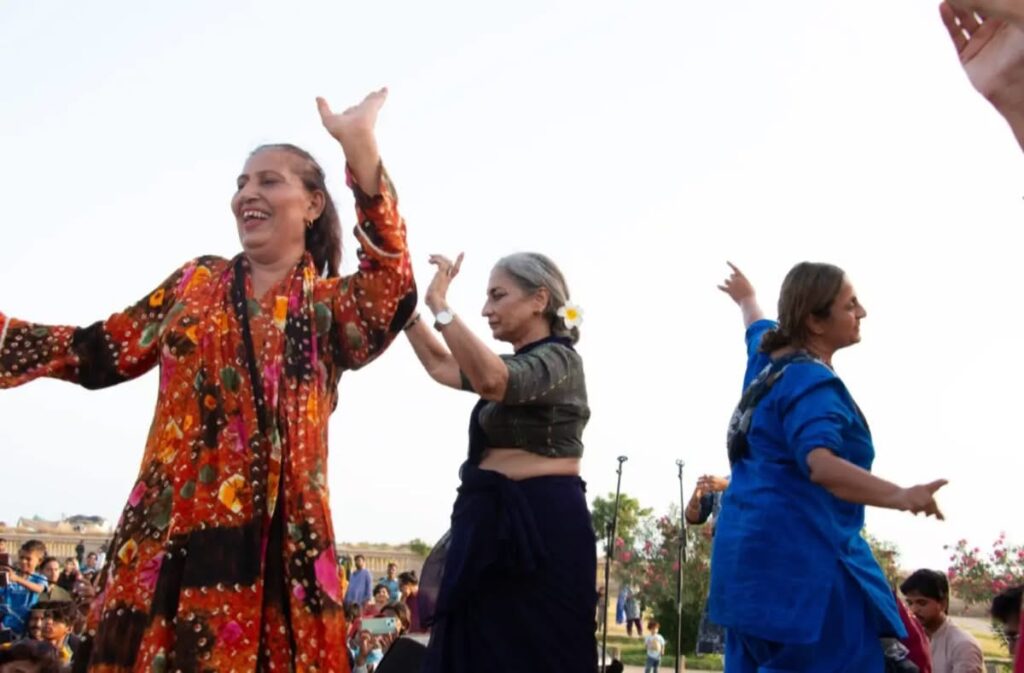
Despite efforts by the Karachi police and state authorities to restrict and control the annual Aurat march in the capital of Sindh, hundreds of women marched on May 10 (Mother’s Day), at the annual Aurat March (Women’s March). Held last Sunday, May 10, instead of March 8 since that day fell during Ramzan, the marching women were a colourful and diverse lot. Visuals on social media revealed attractive posters and women, many without and with the Hijab or Burqa, in support of the LGBTQ communities, bearing placards with the slogan, “Mera Jism, Meri Marzi [my body my choice] as the core demand. Organisers said they invited women to wear whatever you like and feel comfortable in. This assertion came in light of the authorities attempting some regulation on the issues and clothing. “We will continue to fight for our right to complete bodily autonomy and agency,” it said. The group also rejected the condition barring LGBTQ content and restrictions on clothing.
Aurat March Karachi had also rejected suggestions that it had signed or accepted the terms of the no-objection certificate. “This is not the case. The NOC was issued to us by the government last night as directives imposed upon public assembly,” the group said. It said it would march against marital rape, the Prevention of Electronic Crimes Act, defamation laws, patriarchal violence, and attacks on the right to protest and assemble.
Before Sunday, May 10 the day scheduled for the march, a press conference organised by key organisers was not permitted and several of them subject to physical coercion and even detained. The final ‘no objection’ for the march came after a previous confrontation on Tuesday (May 5) evening outside the Karachi Press Club, where police prevented Aurat March organizers from holding a press conference about the planned May 10 march, and several activists were detained.
Among those detained included Sheema Kermani, an organiser of Aurat March; Muneeza Ahmed; Safina Javed; transgender activist Shahzadi Rai; and several other women activists and volunteers. They had arrived to speak to the media but were not allowed to enter the Karachi Press Club. Despite protesting the move, Kermani was reportedly dragged out of her vehicle by women police officers and taken away in a police vehicle. Voicepk reported that five women and two transgender activists were detained for several hours before being released.
The incident triggered strong criticism, including allegations of police misconduct and unlawful detention of activists. Thereafter, the Sindh government later suspended officials involved in the handling of the confrontation, including a senior police officer.
Speaking to the media, Kermani said the no-objection certificate had been sent to Aurat March organizers, but that no documents had been signed by the group. She expressed surprise at the condition regarding women’s clothing, saying the government had never raised such a point during negotiations. Kermani said organizers were consulting with one another and would decide how to respond. Finally, the women marched on their own terms on Sunday.
This year’s Aurat March theme had focused on intergenerational trauma and “Good Daughters,” addressing societal pressure on women to conform to idealised roles and the challenges mothers face.
Aurat March has long remained a topic of discussion in Pakistan because it sits at the intersection of competing social, religious, and political narratives. Supporters view it as a platform for raising women’s rights issues, including gender-based violence, workplace discrimination, legal protections, bodily autonomy, unpaid labour, and freedom of expression. Conservative ideologues argue that some of its slogans, themes, and public displays challenge traditional cultural and religious norms.
The visibility of placards, speeches, and artistic expression during the march has repeatedly triggered debate over ‘public morality and the limits of protest.’
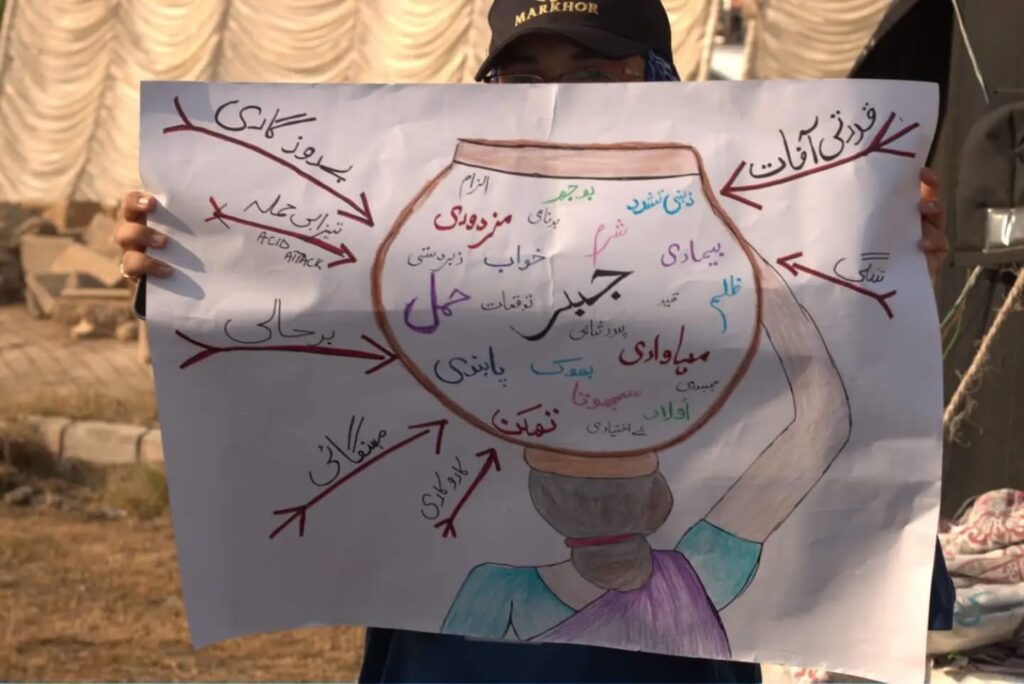
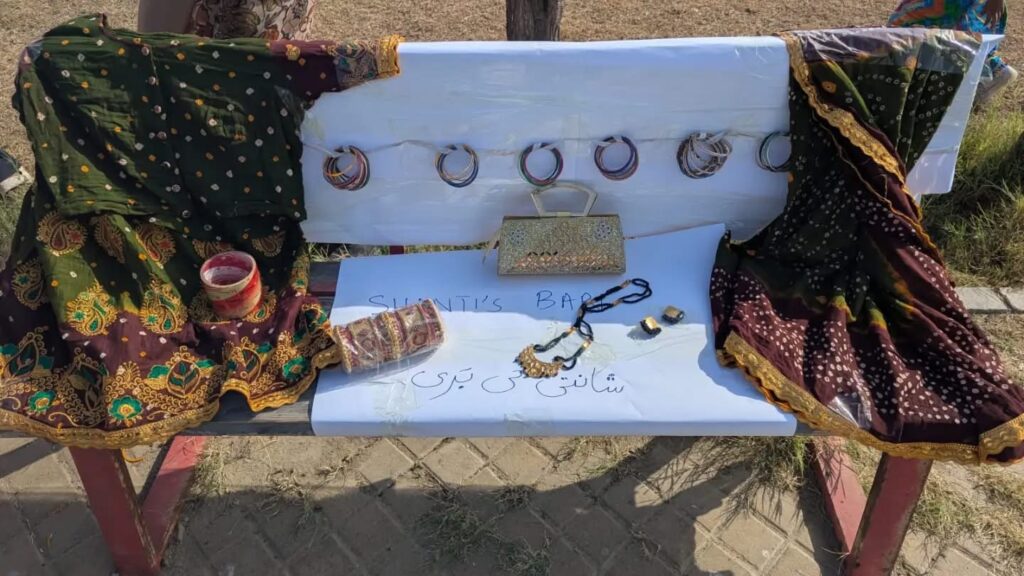
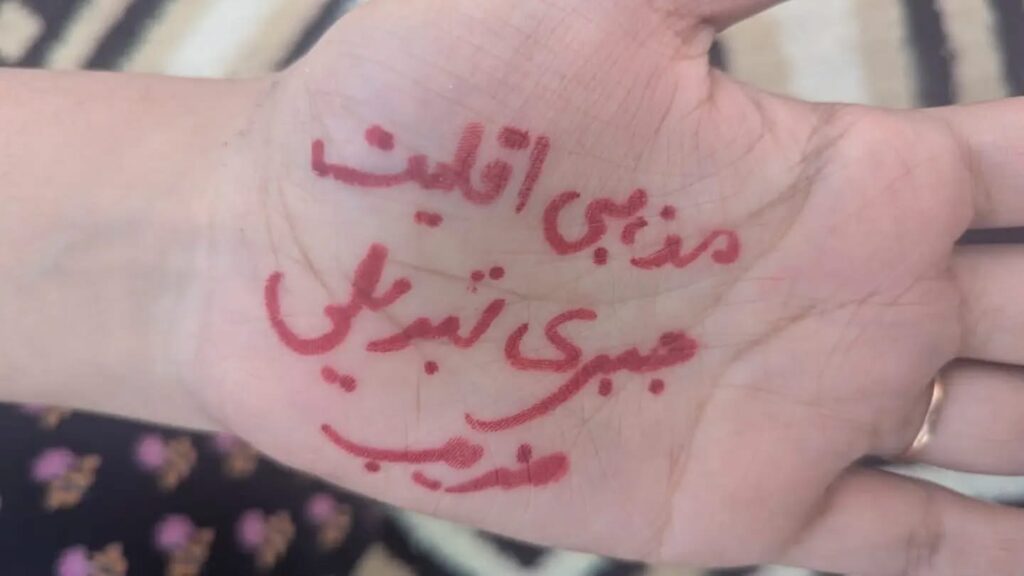
Interestingly, the slogans and issues were expansive. This Aurat March, on International Mother’s Day, saw women of Karachi marching for Baloch women fighting against enforced disappearances, for girl children from religious minorities being forcefully converted, for freedom from karo kari (honour killings), for the right to complete bodily autonomy, for the recognition and tangible appreciation via Aurat Haq-e-Mehnat of the endless physical and emotional domestic labour done by women (especially mothers), for adding consent and body safety education in curriculums, for the countless victims of marital rape, and for standing in complete solidarity with marginalized communities throughout the country.
And, as organisers said on Meta-Facebook, “we marched for feminist joy, love, and resistance as well! Check out some of our favourite moments from #AuratMarch2026.”
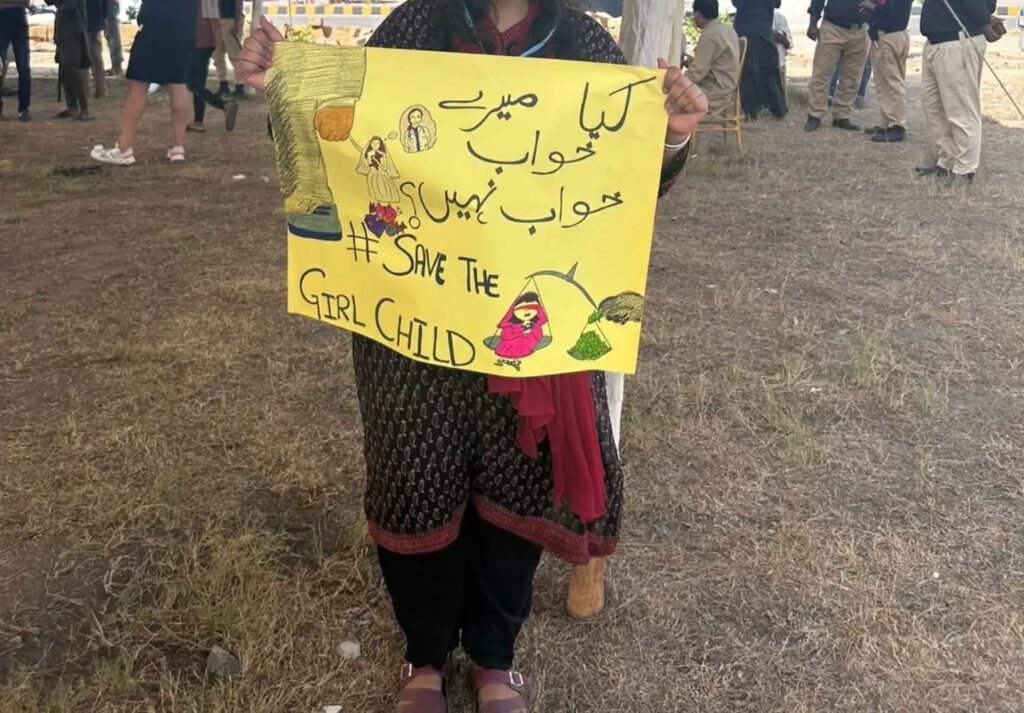
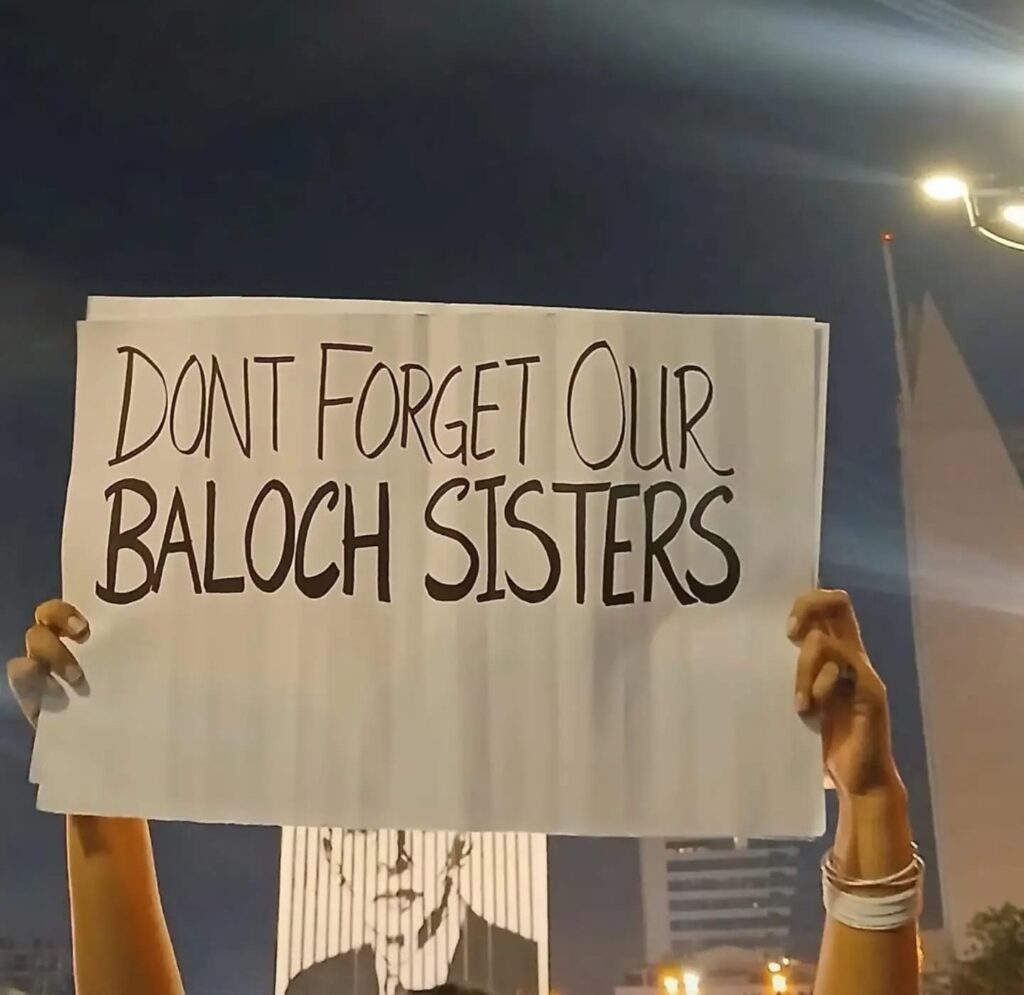
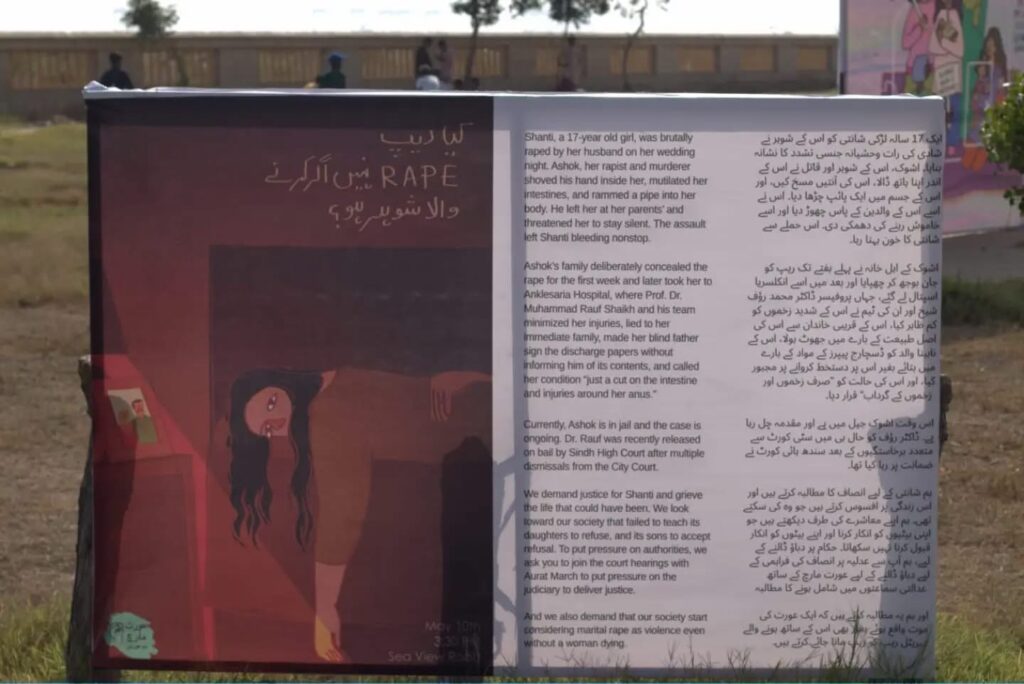
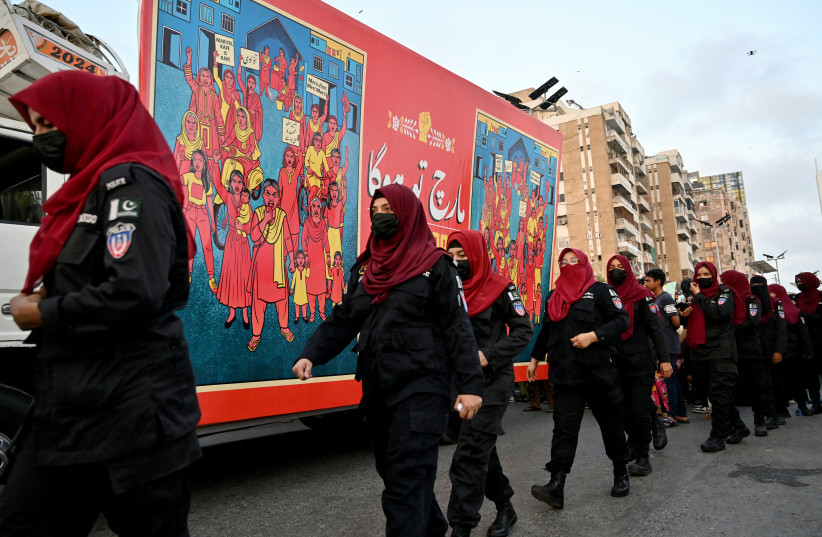
Images: From Sheema Kermani’s page
Related:
Aurat March: Highlight of International Women’s Day celebrations in Pakistan
The Taliban Tried To Stop Lida Mangal From Employing Afghan Women
Pakistan’s education policy blatantly anti-minority, anti-women