
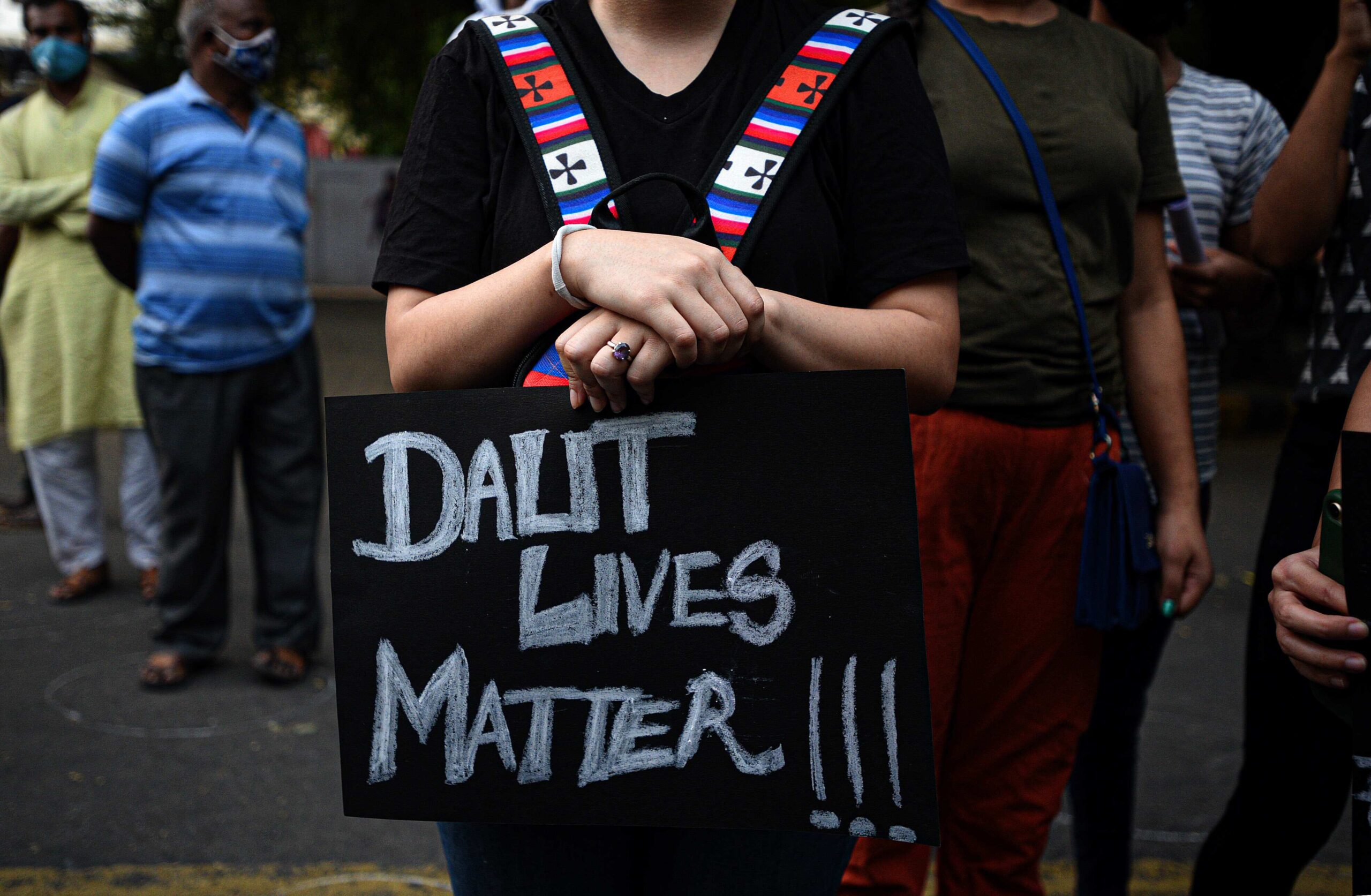
Why is it so much easier to feel sorry for a Dalit character than to sit with one who is simply, unapologetically angry?
It’s worth asking because the answer may say less about literature than it does about the way we have learned to read caste. We have, as readers and viewers, built a fairly narrow set of terms under which we are willing to engage with caste at all, and sorrow fits neatly inside those terms. Anger doesn’t.
Sadness is an easier thing to host. A Dalit character suffers, we feel for them, we close the book or leave the theatre a little shaken -quietly proud of ourselves, even, for having felt something at all. It’s a tidy transaction. The pain stays over there, on the page or the screen. We stay over here, safely watching.
But anger doesn’t play by those rules. “Look what was done to me” is a sentence we can pity from a comfortable distance. “You were part of the world that let this happen” is different. It doesn’t ask for our sympathy. It asks what we will do with our discomfort.
Beyond this literary pattern, it played out in real life in July 2016, in a small town called Una in Gujarat. Four Dalit men were skinning a dead cow, their traditional, caste-assigned occupation, when a group of self-declared cow vigilantes accused them of killing it. The men were stripped, tied to a car, and beaten in public with sticks and iron rods while onlookers filmed it. The video spread within hours.
It wasn’t the usual cycle of outrage, sympathy, silence. Thousands of Dalits marched across Gujarat. Tens of thousands eventually joined what came to be called the Dalit Asmita Yatra, the Dalit Pride March. And at the end of it, they didn’t ask to be pitied. They pledged: they would stop removing dead cattle from upper-caste villages altogether. Let the carcasses lie where they fell if no one else would touch them.
That was a refusal. And refusal is harder to watch because it changes the position of the person watching. An entire social order had quietly depended on their silence and that silence had run out.
The instinct to prefer sorrow over refusal has a longer history.
In the 1870s, Jyotirao Phule’s Gulamgiri was asking why a system of oppression had been built in the first place. Later, Dalit writers and theorists would continue to challenge the expectation that Dalit lives should appear on the page primarily through suffering.
The same discomfort appears in the Marathi film Fandry. Jabya, the protagonist, spends the story being humiliated, and the audience is given every reason to feel for him. Then, in the final shot, he picks up a stone and throws it straight at the camera- straight at the viewer. He is no longer simply someone to pity; he is someone looking back. It is harder to sit with than anything that came before it.
That moment matters because the viewer can no longer remain comfortably outside the scene. The stone crosses the invisible distance between the character and the audience.
None of this makes Dalit anger the “right” emotion, any more than suffering ever was. The ask is simple: let people be whatever they actually are, on the page and off it. Let them suffer if that’s true. Let them refuse, the way Una refused, if that’s true too. Nobody should have to stay pitiable to be taken seriously.
Maybe that’s the real thing being asked of all of us: not compassion, which is easy to hand out and feel good about, but the willingness to face Dalit anger without demanding that it make us comfortable. Some voices were never meant to comfort us. They were meant to make us listen.
(The author is a postgraduate student of English Literature with interests in Dalit studies, South Asian Literature, media, cultural identity and representation based in Bengaluru.)
Related:
Thirty years on, justice remains elusive for Dalits in Uttar Pradesh, Uttarakhand and Haryana
No to Dalits who are Christian, Muslim, how the AP HC limits its understanding of caste and faith